SKOCH Summit


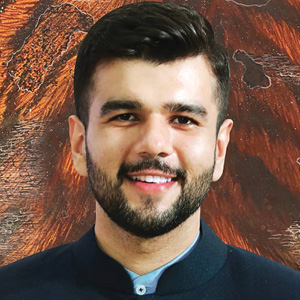
Mr Rohan Kochhar
SKOCH Development Foundation
Rohan Kochhar stands at the intersection of economics, social science, and law, leveraging his multidisciplinary expertise to drive impactful change in public policy, emerging technologies, and ESG (Environmental, Social, and Governance) initiatives. As the founder of SKOCH Law Offices, Rohan has built a boutique law firm renowned for its deep domain knowledge and innovative approach to legal challenges.
Mr Alok Kumar
Special Secretary, Labour Resources Department, Bihar
Dr R N Singh
Convenor State Level NAAC Team, Directorate of Higher Education, Chhattisgarh
Dr Unnikrishnan Potheri Vasudevan
Member Secretary, Kerala Development Innovation Strategic Council and Ex-Officio Secretary, Kerala
Mr Bansidhar Tiwari
Director General, School Education, Uttarakhand
1515 - 1545
INNOVATIONS IN FINANCE
The session on innovations in finance focused on how states can augment and widen their tax base through governance and technology-led reforms. Jammu and Kashmir shared its experience of leveraging GST-driven digital transformation, common portals, and data integration to improve transparency and compliance. Initiatives such as Suvidha Kendras, zonal convergence forums, and extensive taxpayer facilitation helped overcome geographical and capacity challenges. A shift from a purely regulatory approach to a promotive and incentive-based tax administration improved return filing and compliance behavior. Advanced data analytics, AI-based fraud detection tools, and special investigation units were used to identify mismatches and curb evasion. Maharashtra highlighted reforms in the excise department through a comprehensive supply chain management system enabling real-time tracking of liquor movement and stocks. Digital crime registration and online permissions simplified enforcement and monitoring. Both states emphasized that technology, coordination, and behavioral change are key to sustained revenue growth and effective tax administration.
Moderator: Mr Rohan Kochhar, SKOCH Development Foundation
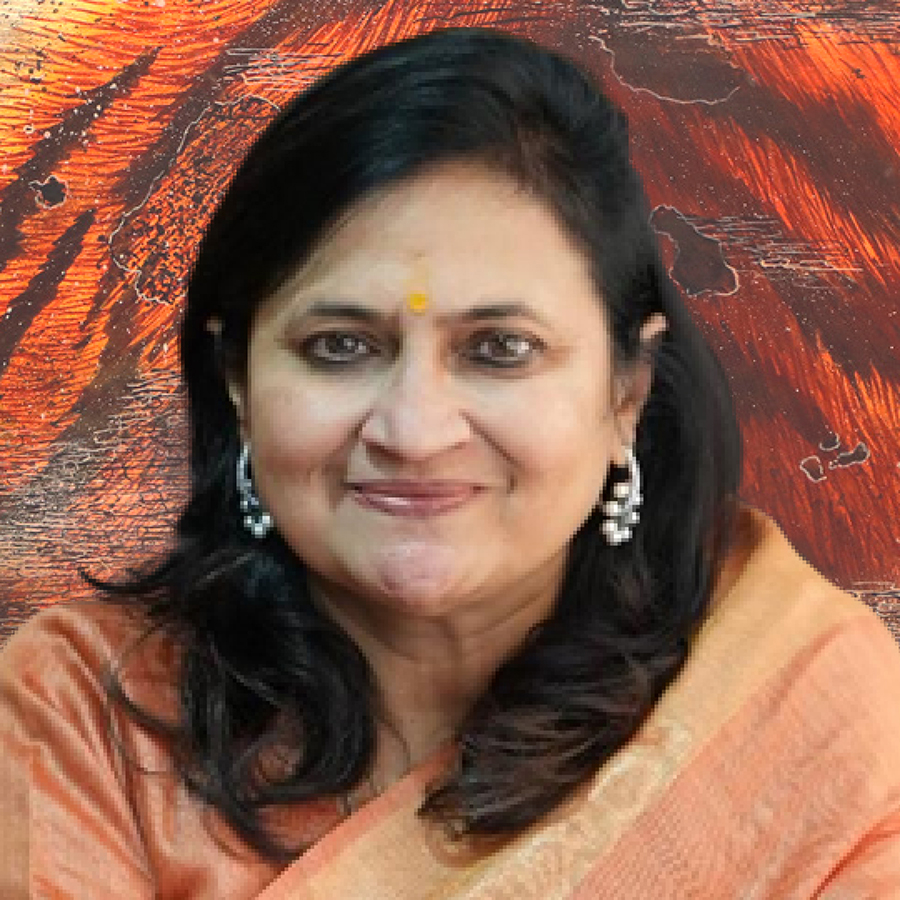
Dr Rashmi Singh, Commissioner, State Taxes Department, Jammu & Kashmir
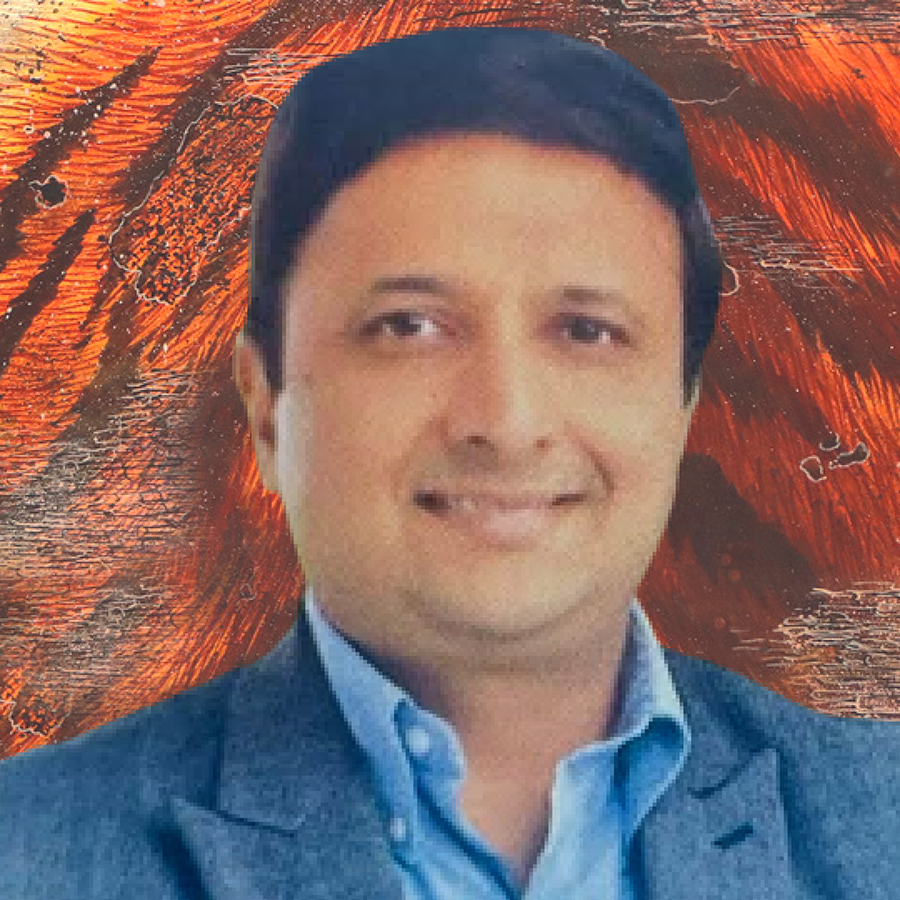
Dr Vijay Namdevrao Suryavanshi, Commissioner, Maharashtra State Excise Department
Mr Rohan Kochhar
SKOCH Development Foundation
Rohan Kochhar stands at the intersection of economics, social science, and law, leveraging his multidisciplinary expertise to drive impactful change in public policy, emerging technologies, and ESG (Environmental, Social, and Governance) initiatives. As the founder of SKOCH Law Offices, Rohan has built a boutique law firm renowned for its deep domain knowledge and innovative approach to legal challenges.
Dr Rashmi Singh
Commissioner, State Taxes Department, Jammu & Kashmir
Dr Vijay Namdevrao Suryavanshi
Commissioner, Maharashtra State Excise Department
Mr Rohan Kochhar
SKOCH Development Foundation
Rohan Kochhar stands at the intersection of economics, social science, and law, leveraging his multidisciplinary expertise to drive impactful change in public policy, emerging technologies, and ESG (Environmental, Social, and Governance) initiatives. As the founder of SKOCH Law Offices, Rohan has built a boutique law firm renowned for its deep domain knowledge and innovative approach to legal challenges.
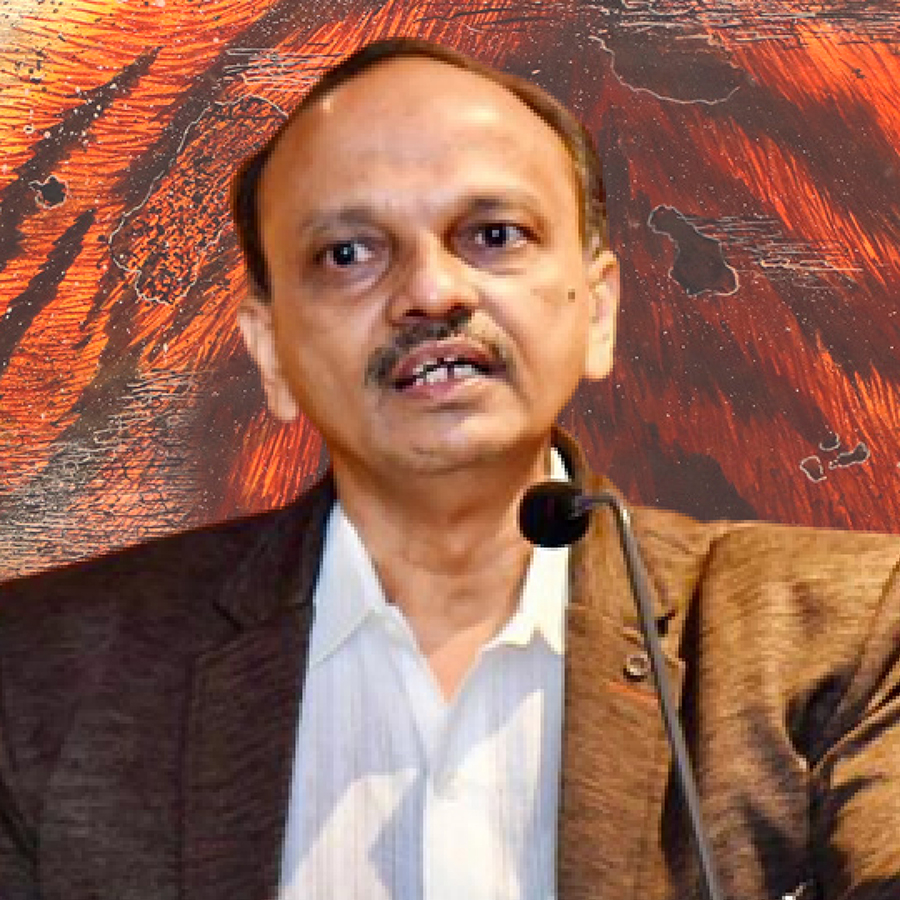
Mr Avinash Bhalchandra Patil
Vice Chairman, Town Planning and Valuation, Maharashtra
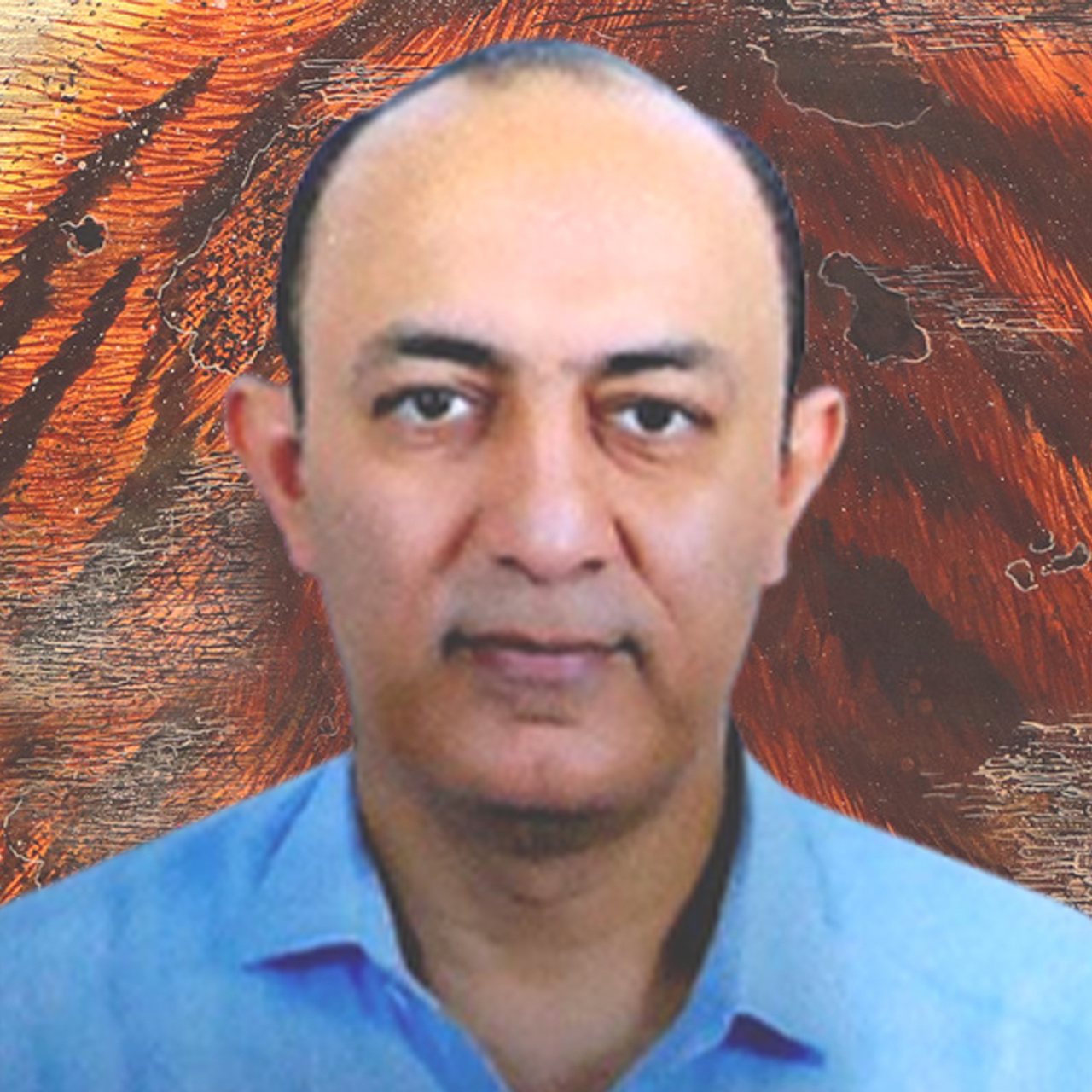
Mr Rahul Ranjan Mahiwal
Managing Director, Pune Metropolitan Region Development Authority
Mr Bharat Yadav
Director, Town Planning, Madhya Pradesh Urban Development Co Ltd
Dr Tamal Majumdar
Commissioner, Urban Development, Tripura
1725 - 1755
INNOVATIONS IN MUNICIPAL GOVERNANCE
The session on innovations in municipal governance highlighted how cities are using technology and process reforms to improve service delivery and citizen outcomes. Thiruvananthapuram shared key implementation challenges in municipal innovation—recognizing opportunities, scaling pilots city-wide, and ensuring sustainability across leadership changes. A major focus was on solid waste management reforms, including a structured HR policy for sanitation workers (“Green Warriors”) and time-bound workforce monitoring. The city implemented an AI-based facial recognition attendance system that works offline on low-cost devices, improving efficiency and saving critical morning collection time. Worker acceptance was achieved through consultations, reduced travel burdens, and faster attendance capture at work locations. Sagar Smart City showcased its Integrated Command and Control Centre with nine city applications operating 24×7. Technology-led initiatives included intelligent traffic management, CCTV surveillance at black spots, GPS tracking of waste vehicles, and GIS mapping across all wards. Sagar also highlighted improvements in Swachh Survekshan rankings, infrastructure upgrades like bus terminals, sports facilities, drainage systems, and lake rejuvenation. The session concluded that municipal innovation must be locally designed, supported by startups, and backed by both technology and strong on-ground engagement.
Moderator: Mr Rohan Kochhar, SKOCH Development Foundation
Dr Shena Aggarwal, Chief Executive Officer, Ludhiana Smart City Ltd

Mr Vazhivittan Sivakrishnamurthy, Commissioner, Tirunelveli City Municipal Corporation
Mr Chandra Shekhar Shukla, Municipal Commissioner and Executive Director, Sagar Smart City Ltd