SKOCH Summit
Governance & Policy
Filter:









India’s ambition to achieve developed economy status by 2047 under the Viksit Bharat vision rests on expanding productive capacity, on engineering a structural transition towards innovation-led, knowledge-intensive growth. It is a shift that is fundamentally dependent on the quality, coherence and forward-orientation of its regulatory architecture.
This conference advances the argument that regulatory framework design is a primary macroeconomic variable, not a secondary administrative consideration and that India’s ability to sustain high-quality growth over the coming decades will be determined in significant part by whether its institutions are recalibrated to incentivise discovery, reward complexity and attract long-horizon investment.
Drawing on productivity economics and institutional analysis, the conference will examine the relationship between regulatory design and key economic performance indicators (including total factor productivity (TFP), incremental capital-output ratio (ICOR) and the depth of industrial upgrading) to demonstrate that regulatory fragmentation, compliance asymmetries and institutional gaps represent binding constraints on India’s innovation potential.
It will interrogate a critical structural tension at the heart of India’s development moment. Rather than just focusing on deregulation, it is an opportune time for India to advance a capability-centric model of regulatory modernisation, one that builds institutional credibility, reduces uncertainty for R&D-intensive investors and creates the enabling conditions for domestically anchored innovation ecosystems to take root and scale.
Instead of narrowly focusing on deregulation, the conference discusses a capability-centric model of regulatory modernisation. Such a model should build institutional trustworthiness. It should reduce uncertainty for R&D-intensive investors, create legal certainty for citizens and enterprises and establish enabling conditions for domestically anchored innovation ecosystems to grow and scale. The conference will also examine in what way strategic conformity with international regulatory criteria and global best practices can serve as an instrument of economic statecraft.
Know More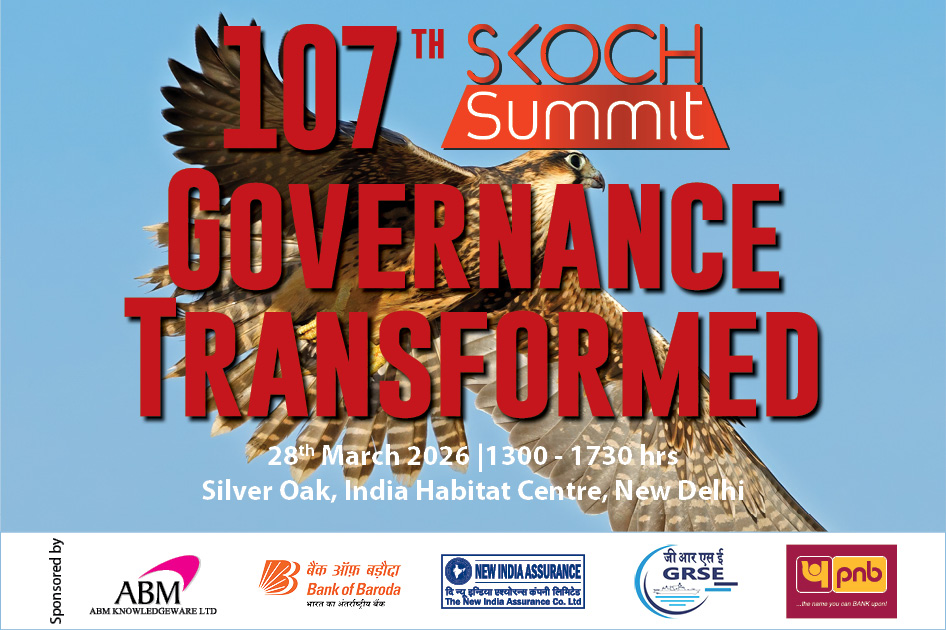

Governance in India is undergoing a decisive transformation. Intent-driven policymaking is giving way to outcome-oriented execution, where credibility is earned not by announcements but by measurable impact on citizens’ lives. The emerging paradigm places delivery, institutional capacity and last-mile effectiveness at the centre of governance leadership. Districts and municipalities are becoming the true engines of change as highlighted by SKOCH State of Governance Report 2025.
At the same time, this transformation is being mirrored within India Inc. Notably, the SKOCH India Involved framework highlights a parallel shift in corporate behaviour: companies are moving from compliance-led approaches to purpose-driven performance. In this new approach, governance, digitalisation and societal impact are deeply integrated into strategy. Importantly, governance is no longer a back-office function; it is now the architecture that binds purpose with execution. This shift ensures that growth is ethical, transparent and sustainable.
Together, these trends signal a convergence of public and corporate governance into a unified model of accountability. Specifically, this model is data-driven, technology-enabled and citizen-centric. For example, digital platforms are scaling transparency, infrastructure is strengthening delivery and leadership is increasingly defined by the ability to institutionalise outcomes.
“Governance Transformed” is therefore not a thematic aspiration. It is an operational reality in which performance and impact are co-created across state systems and enterprises. This process is shaping India’s journey toward India@2047.
Know More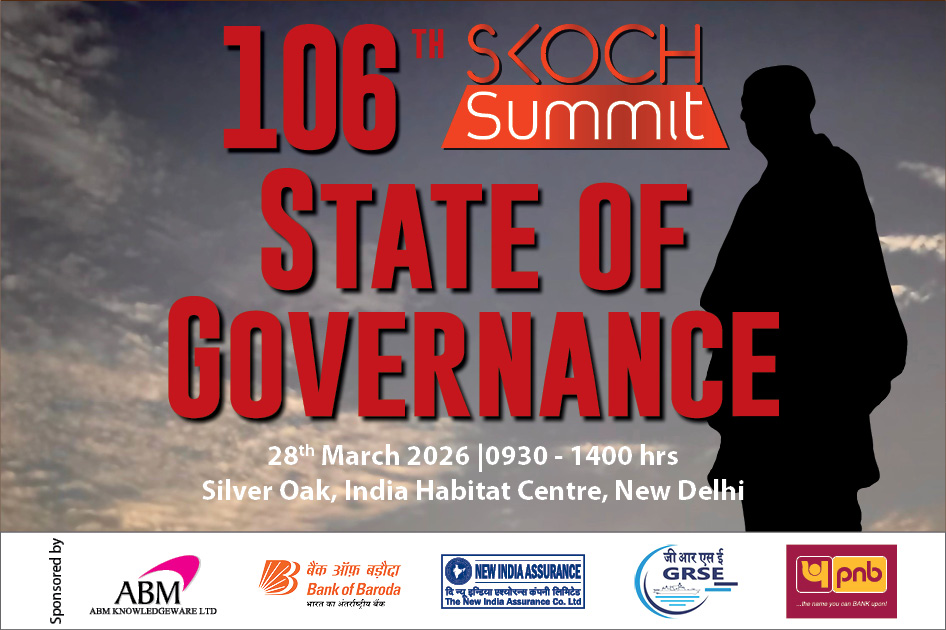


India’s governance story in 2025 is best understood not through intent, announcements or policy volume, but through outcomes that can be measured, verified and experienced by citizens. Evidence emerging from the SKOCH State of Governance Assessment makes one reality unmistakably clear: governance performance today is being shaped by the quality of execution rather than the ambition of design. States that have invested in institutional capacity, district-level leadership and integrated service delivery are demonstrating sustained gains, while those relying on legacy administrative approaches are facing increasing competitive pressure.
The findings from the 2025 assessment confirm that governance excellence is no longer episodic or sector-specific. It is cumulative, layered and systemic, built over years of sustained administrative reform and reinforced through continuous feedback from the ground. Governance leadership today reflects the ability of states to institutionalise reforms rather than merely launch them.
Know More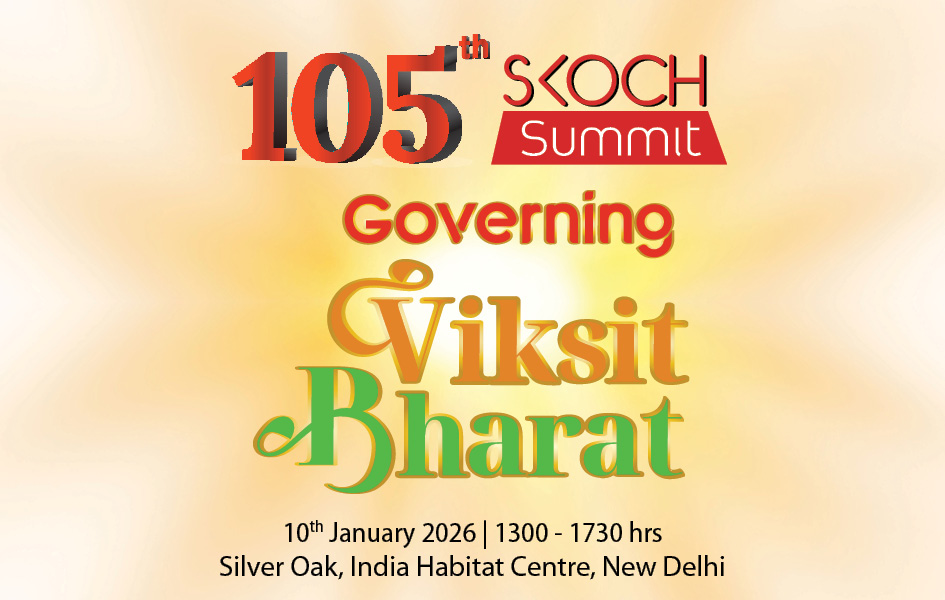

India’s development trajectory is unfolding amid a rapidly evolving geopolitical and geoeconomic environment marked by global power shifts, supply chain realignments, technological disruption and climate stress. In this context, governance has emerged as the decisive factor shaping sustainable, resilient and inclusive growth.
Domestically, India’s federal paradigm is undergoing a significant transformation, with states assuming a more strategic role in driving economic outcomes. States are increasingly at the forefront of attracting investment, developing infrastructure, skilling, urbanisation, and delivering social services. Competitive federalism is evolving into a collaborative, performance-oriented framework.
India’s journey towards becoming a developed nation will ultimately be determined by how effectively its states govern, innovate and deliver in an increasingly complex global order.
Know More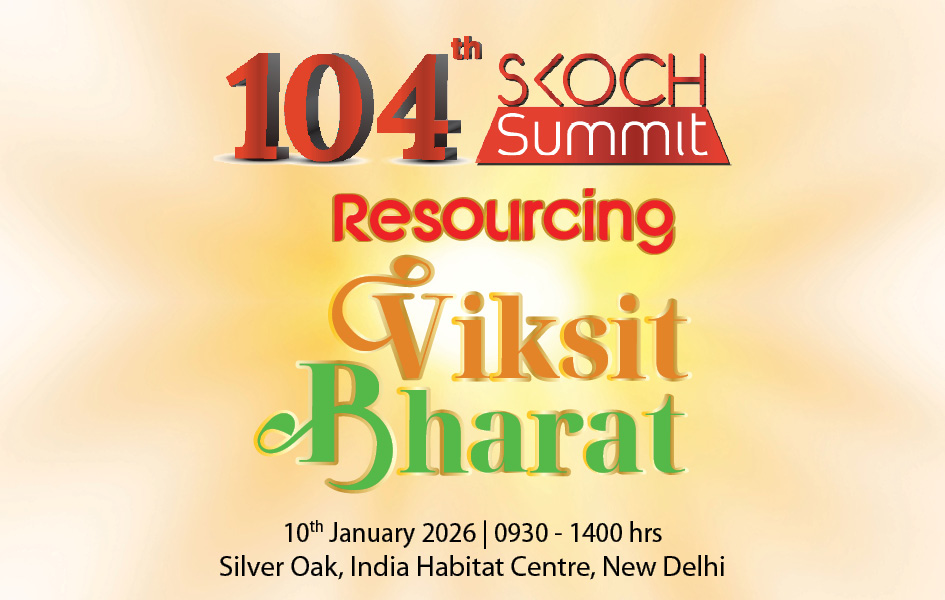

India’s journey toward Viksit Bharat 2047 must marry ambition with analytical clarity. Anchored in the Prime Minister’s vision of Amrit Kaal, this framework sets out a quantified, evidence-based pathway to a USD 20-30 trillion economy.
It links the drivers of growth - capital formation (GFCF), efficiency (ICOR) and total factor (TFP) productivity - to rising per-capita incomes through a robust macro-economic model. Central to this vision is the Tokenised Rupee Debt Instrument (TRDI), a regulated innovation that tokenises sovereign debt to deepen domestic capital markets and enhance fiscal and external resilience of additional long-term GDP growth.
Know More




Marking 25 years of Prime Minister Narendra Modi in public office, ModiNomics – A Journey of Inclusive Growth offers a definitive account of his governance and economic philosophy. From Jan Dhan to Ujjwala, Swachh Bharat to Digital India, it explores how millions were brought into the mainstream of development with speed and scale.
The book examines both the vision and the outcomes—financial inclusion, welfare delivery, infrastructure, and digital empowerment—that have shaped India’s transformation. It asks the vital question: has Modi delivered on the promise of inclusive growth, and how far has India travelled on this journey?
Accessible yet analytical, this is not only a chronicle of policy innovations but also a verdict on their impact. A compelling read for policymakers, scholars, business leaders, and citizens alike, ModiNomics captures India’s story of ambition, resilience, and inclusive progress under Modi’s leadership.
Know More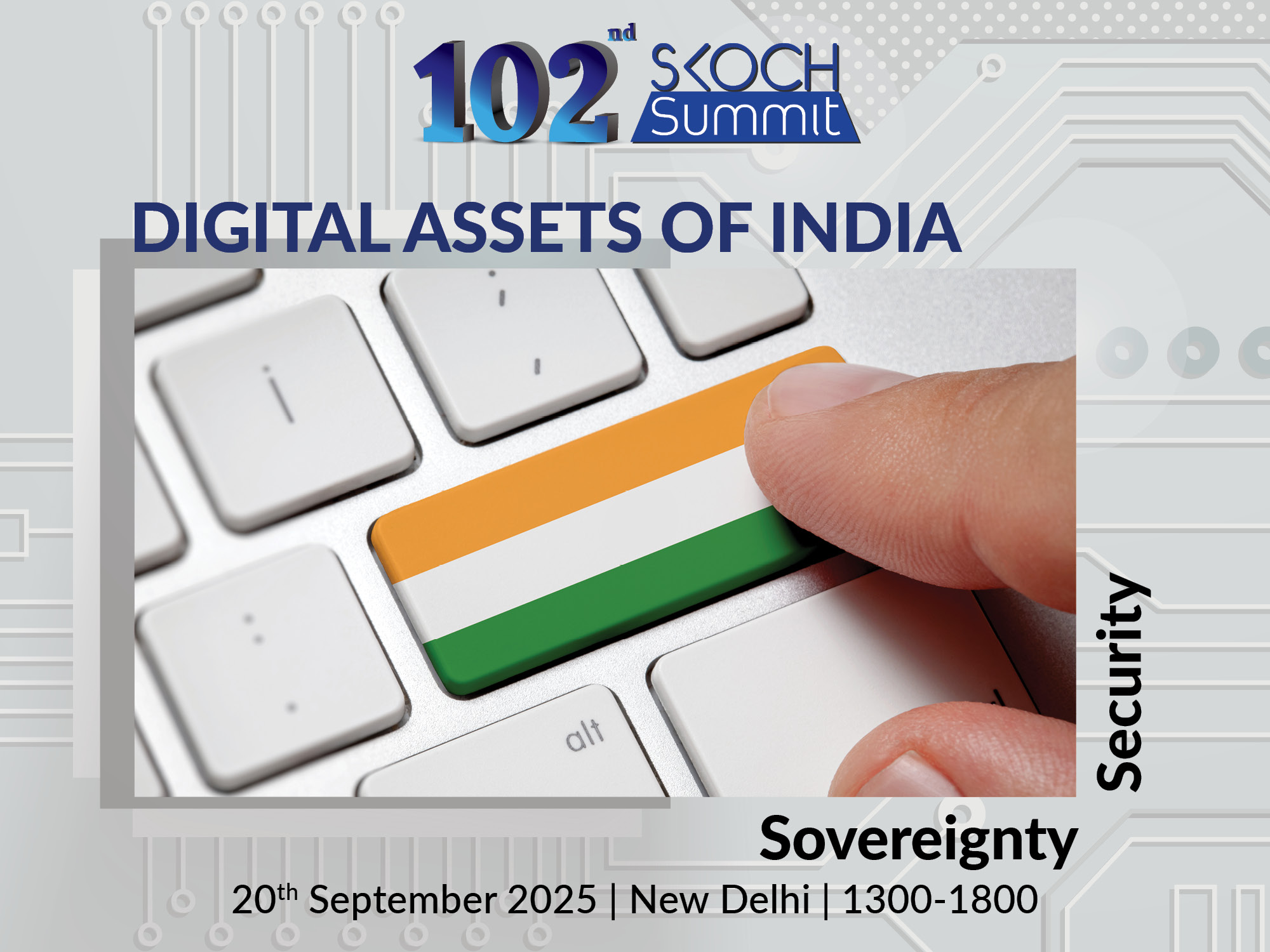


“Digital Assets of India: Sovereignty and Security” will explore the critical questions surrounding India’s digital future. As the nation rapidly digitises, safeguarding data, infrastructure, and digital resources becomes central to both national security and economic resilience. This conference provides a timely platform to discuss how India can strengthen sovereignty in the digital domain while fostering innovation and trust.
The deliberations will highlight the opportunities and challenges of managing digital assets in an interconnected world—ranging from cybersecurity and quantum technologies to capacity building and policy frameworks. With participation from senior policymakers, technology leaders, and development institutions across the country, the summit aims to generate actionable insights for securing India’s digital landscape.
By examining the intersection of technology, governance, and national interest, the dialogue will contribute to shaping strategies for a robust, secure, and inclusive digital ecosystem as India moves towards 2047.
Know More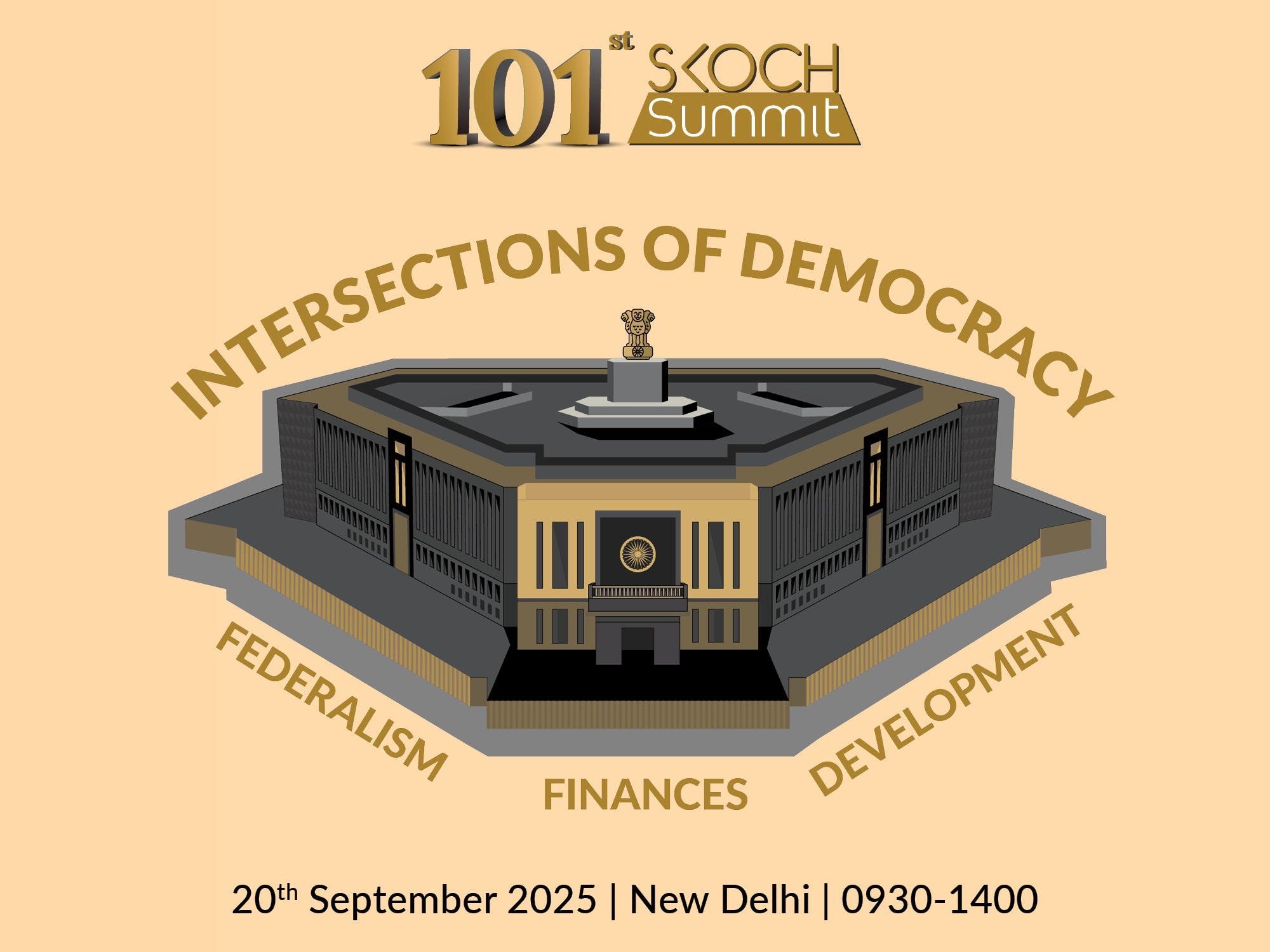

“Intersections of Democracy: Federalism, Finances & Development” will convene leaders, experts, and practitioners to deliberate on how India’s democratic institutions are evolving to meet the challenges of the 21st century. The conference will explore the dynamic interplay between federal structures, fiscal policies, and development priorities, emphasizing their role in shaping inclusive and sustainable growth.
As India charts its path towards 2047, questions of financial resilience, equitable development, and cooperative federalism become ever more critical. This dialogue offers a platform for sharing perspectives, best practices, and policy innovations that can strengthen governance and empower communities. By bringing together diverse stakeholders from across government, academia, and industry, the summit seeks to foster meaningful conversations and actionable insights for building a stronger, more resilient democracy.
Know More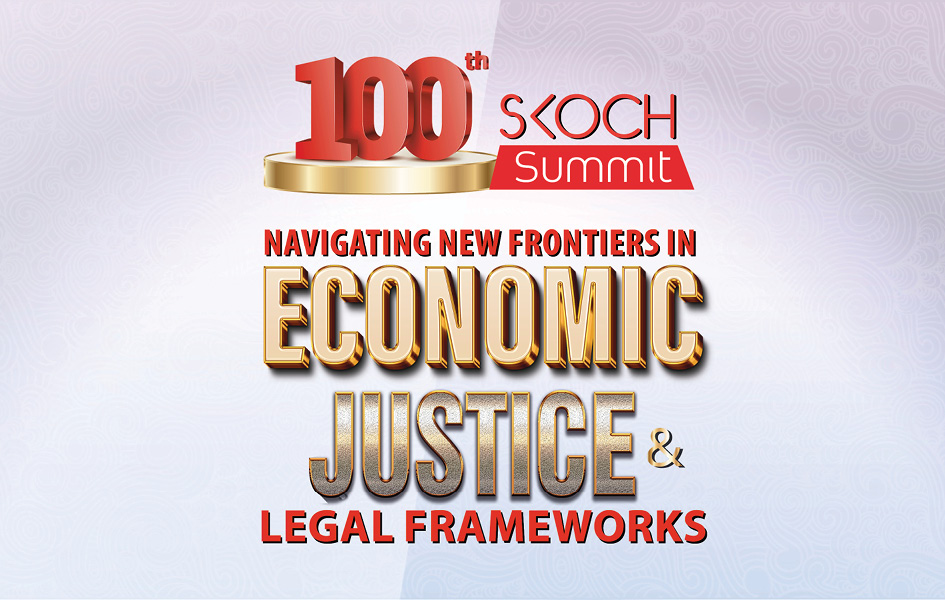


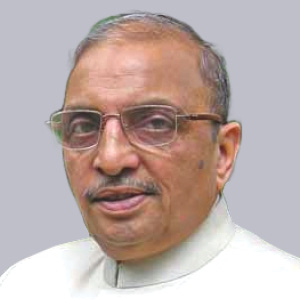


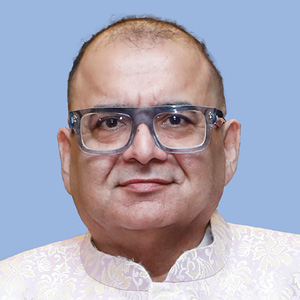
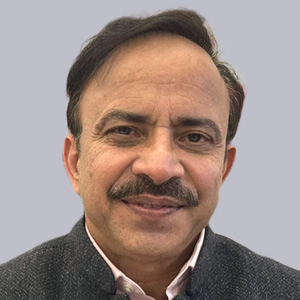

The 100th SKOCH Summit focused on overhauling India’s regulatory and legal frameworks to drive inclusive and sustained economic growth. The session "An Agenda for Reforms" addressed the burden of excessive compliance, outdated colonial-era laws, and the need for structural regulatory change. Experts emphasized eliminating litigation-prone provisions, reducing compliance costs, and creating a more predictable, business-friendly environment. Successful state-level reforms from Haryana, Tamil Nadu, and others were showcased as models.
The session on "Sizing & Regulating the Digital Economy" examined how to accurately measure India's rapidly expanding digital landscape and design adaptive regulations. It highlighted the limitations of traditional global indices and the importance of inclusion, innovation, and federal cooperation. The GST Council model was cited as a promising co-regulatory framework. Balancing data protection with entrepreneurial freedom, avoiding one-size-fits-all regulation, and ensuring digital equity were key takeaways. The summit called for pre-screening mechanisms and inclusive policymaking to build a resilient legal and economic architecture for a Viksit Bharat.
Know More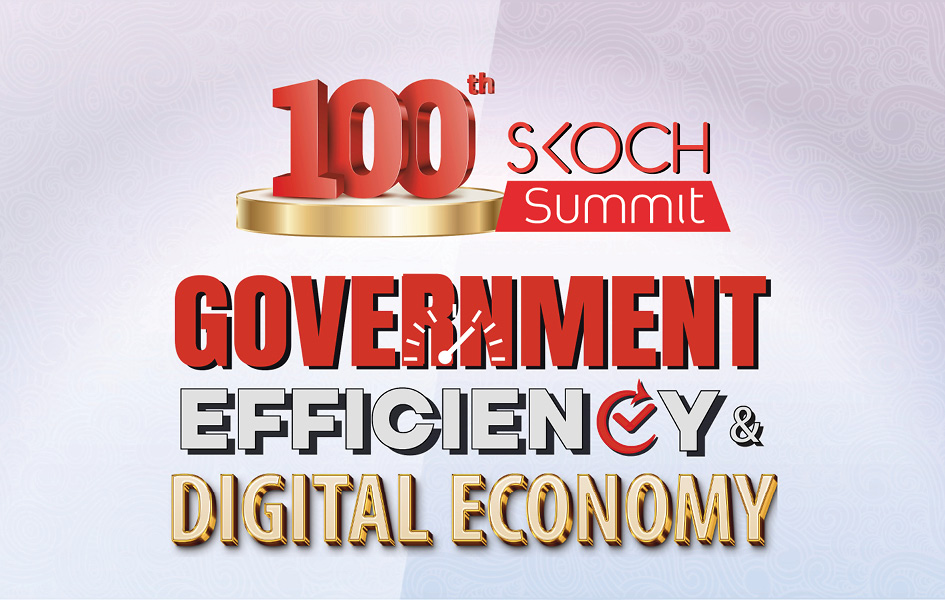





The next phase of the 100th SKOCH Summit focuses on how inclusive growth influences government efficiency and digital economy regulation. Enhancing government efficiency can free up fiscal and operational resources, reducing waste and lowering tax burdens while supporting social initiatives. Regulatory frameworks need to evolve to understand the diverse nature of digital services—such as gaming—and apply differentiated tax treatments based on societal impact. Expanding the GST net to include more services like registrations and energy can increase revenue without raising rates, helping fund digital and social infrastructure. These discussions set the stage for the summit’s grand finale on Law and Economy, which will address the legal frameworks required to implement these policy reforms. The goal is to align legal systems with India's inclusive and sustainable growth objectives. Insights from this phase are crucial for shaping forward-looking governance and economic policies.
Know More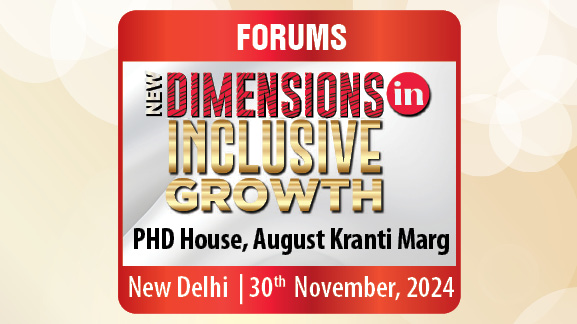







Over the past two decades, the SKOCH Summits have been more than just gatherings—they have been milestones in India’s journey toward inclusive growth, economic empowerment, and social transformation.
Now, as we reach our 100th milestone, we reflect on the transformative changes shaped by the voices of millions and look toward the future with renewed hope.
From Financial Inclusion to AI-driven Innovation, from Humanistic Governance to addressing the Cobra Effect of Tax Interpretations, the 100th is not just a meeting of minds—it is a roadmap for the India we are building together.
Whether amplifying the Voice of the Global South, creating Ease of Self-Employment or ensuring Climate Action without Hidden Agendas, this is the moment to unite for a stronger, more inclusive future.
Join us from 30th November 2024 to 25th March 2025 as we bring together lessons from the past 99 SKOCH Summits and set the stage for an India where innovation, justice, and equitable opportunity go hand in hand for all.
Know More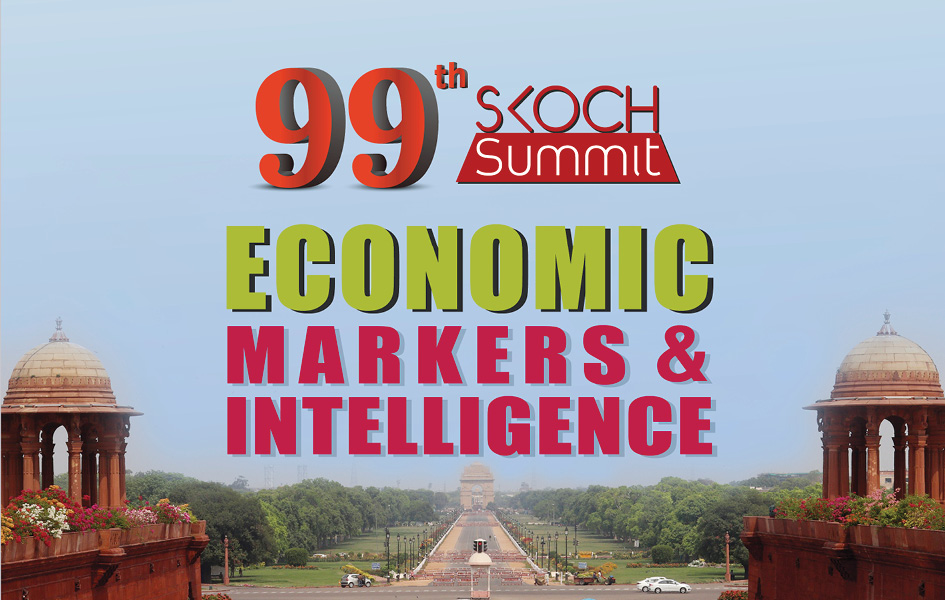


The 99th SKOCH Summit focused on emerging trends shaping India's economic intelligence and development strategy. Discussions on Digital Financial Intelligence and Money Laundering explored how digital ecosystems can be leveraged to detect and prevent illicit financial flows, calling for stronger data analytics and regulatory frameworks. The session on Harmonising Digital Transformation and ESG highlighted the need to integrate environmental, social, and governance goals into digital growth strategies to ensure sustainable development. Financial Deepening Indicators for India examined access to credit, insurance, and investment instruments, emphasizing inclusive financial participation. Lastly, the summit underscored the role of Economic Markers and Development Dashboards in real-time policy-making, calling for more granular, dynamic data to track progress and inform decisions. Together, these themes outlined a roadmap for smarter, more accountable, and inclusive economic governance in a digital age.
Know More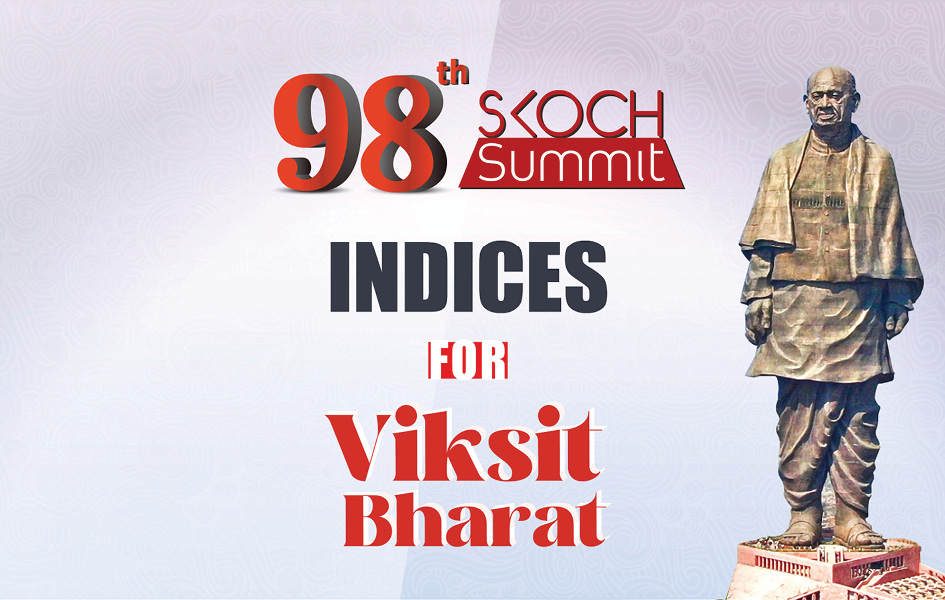



The 98th SKOCH Summit centred on building robust indices to guide and measure India’s journey toward Viksit Bharat (Developed India). A key focus was on developing Indices for Viksit Bharat that reflect local realities while aligning with global standards. The role of Corporate Digital Responsibility (CDR) was explored, advocating ethical digital practices by businesses. Experts discussed the Harmonisation of CDR, SDGs, ESG, CSR, Human Rights, and AI, emphasizing an integrated responsibility framework. The session on Narrative for Viksit Bharat aimed to craft a compelling vision rooted in India’s strengths. Indian Indices for Global Use highlighted the potential of indigenous frameworks influencing international policy. Topics like The Responsibility of Gaming and Digital Mental Health raised awareness of emerging societal impacts. Finally, a Responsibility Framework for Data & AI was proposed to ensure ethical and inclusive technological development, supporting India’s long-term developmental aspirations.
Know More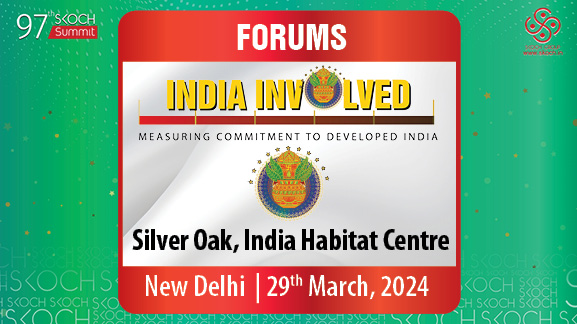
97th SKOCH Summit
India Involved
Measuring Commitment to Developed India







The 97th SKOCH Summit focused on assessing India’s active participation in its journey toward becoming a developed nation. The Inaugural Session set the tone by highlighting the role of inclusive participation in national development. Discussions on the Comprehensive Economic Impact of Cloud showcased how cloud technology is driving digital transformation and contributing to GDP growth. The summit also examined how to ESG Faster & Better, emphasizing actionable strategies for integrating environmental, social, and governance goals into business models. Sessions like ESG & IT – Joined at the Hip demonstrated how technology can accelerate ESG compliance and reporting. The Digital Dimension of Indian Growth highlighted the critical role of digital infrastructure and innovation in India's economic progress. Finally, Why CFOs Care About ESG explored the financial imperatives behind sustainability, underlining how ESG performance is increasingly tied to long-term profitability and investor confidence.
Know More




The 96th SKOCH Summit – Public Policy for India 2047 brings together policymakers, economists, and industry leaders to chart India’s long-term development vision. The sessions explore the evolution of public policy as a science, the manufacturing and hardware revival, and India’s leadership in AI innovation for global impact. Discussions emphasize empowering MSMEs, deepening and securing markets, and promoting financial literacy as key levers of inclusive growth. The summit also revisits India’s journey toward AatmaNirbhar Bharat, highlighting reforms that blend self-reliance with global competitiveness. Collectively, the panels outline a roadmap for a resilient, data-driven, and equitable India by 2047.
Know More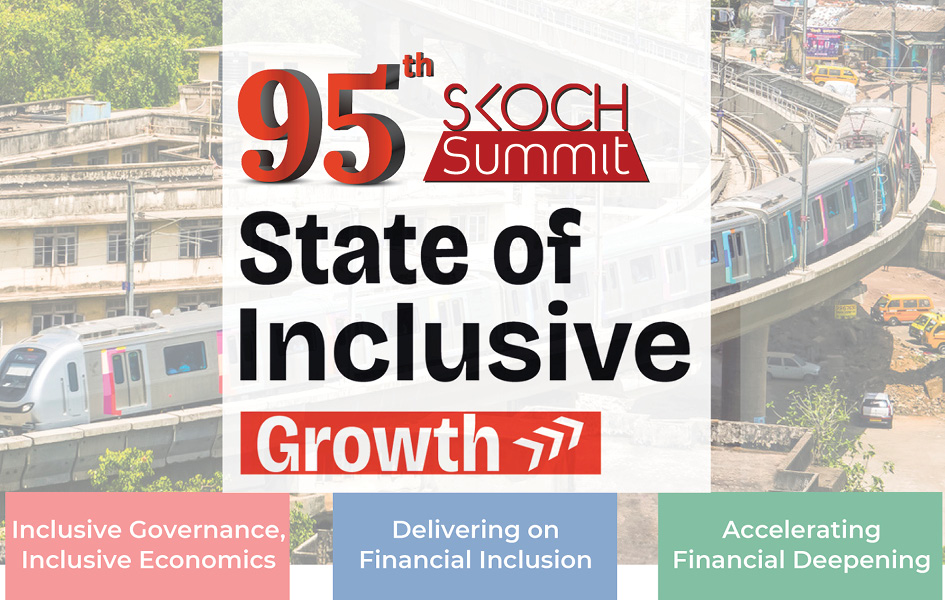





The 95th SKOCH Summit – State of Inclusive Growth examines India’s progress toward equitable, sustainable, and broad-based development under the vision of Sabka Saath, Sabka Vikas, Sabka Prayas, Sabka Vishwas. The sessions assess the evolution of inclusive governance since 2014, evaluating how reforms in welfare, infrastructure, and digital delivery have shaped outcomes for citizens. Discussions revisit the ModiNomics model to gauge its impact on jobs, equity, and social democracy while identifying areas for renewed focus. Panels explore the next frontier beyond universal financial access—ensuring credit translates into livelihoods, productivity, and poverty reduction. The summit also addresses how financial deepening, MSME support, and competitive markets can sustain growth, balance costs, and extend inclusion to every corner of India. Together, the dialogues outline a roadmap for achieving India’s vision of high-income, inclusive growth by 2047.
Know More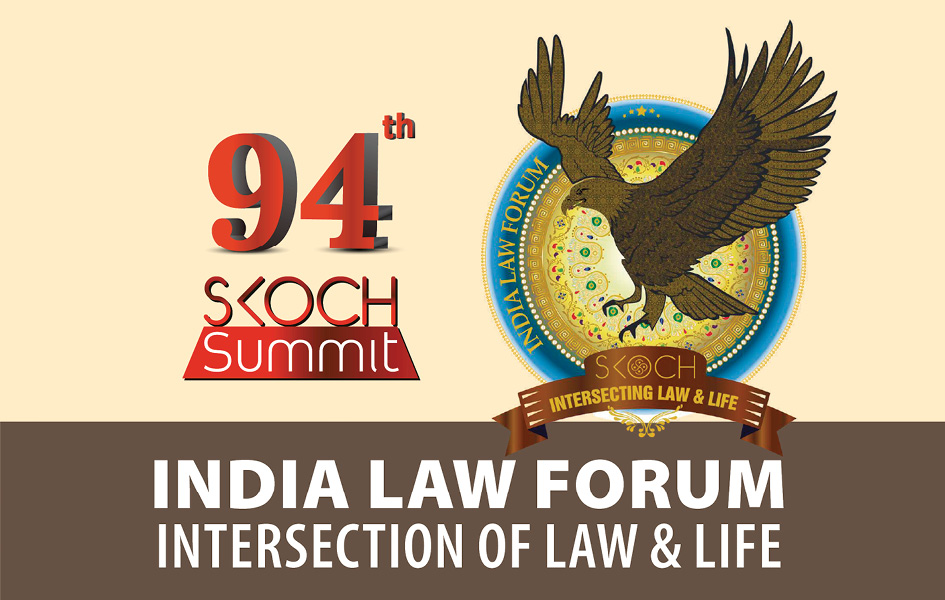





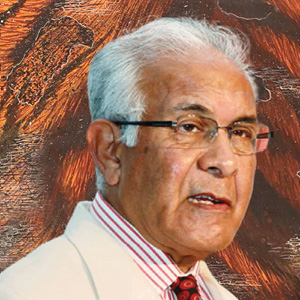
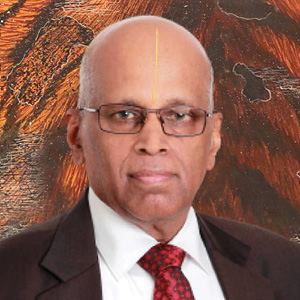

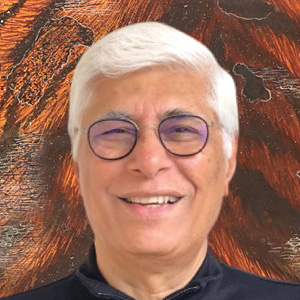


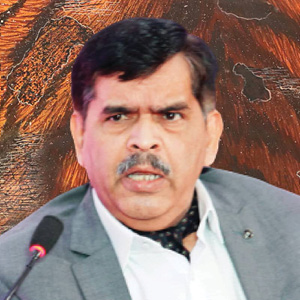

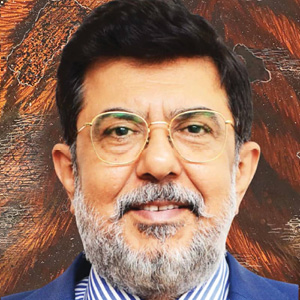


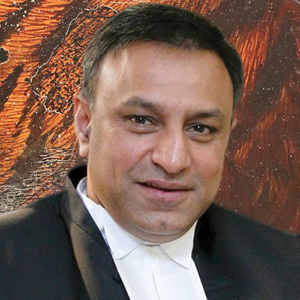

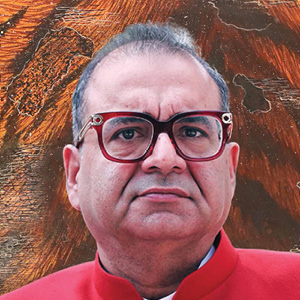
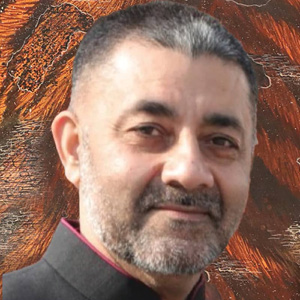

India’s brightest legal luminaries, practitioners and experts from the field of Justice, Law and Policy are coming together to adorn the 2nd edition of SKOCH India Law Forum on 26th August 2023 at New Delhi. SKOCH India Law Forum is the only platform that deliberates and returns actionable recommendations on the burning issues of its times.
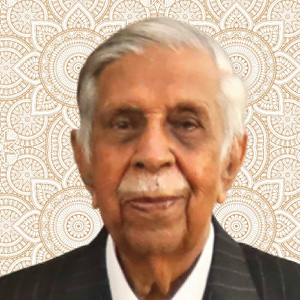
The Forum features India Law Awards independently instituted by SKOCH Group. This year SKOCH India Law Forum Lifetime Achievement Award is conferred on Justice Chittatosh Mookerjee, Former Chief Justice, Calcutta High Court. Additionally, eminent Judges and Lawyers are conferred SKOCH Award for Service to Justice and Service to Law respectively.
Justice M N Venkatachaliah, Former Chief Justice of India received the SKOCH Lifetime Achievement Award, 2022. A festschrift in his honour edited by Bibek Debroy and Sameer Kochhar entitled At the Intersection of Law & Life: Essays in Honour of Justice M N Venkatachaliah will be unveiled during SKOCH India law Forum.
A discussion on the book will follow the release.
Know More










The 93rd SKOCH Summit – State of Governance “India 2047” focuses on how India’s governance model is evolving to meet the nation’s centenary goals of growth, equity, and sustainability. The sessions examine how states, districts, and municipalities are translating reforms into measurable outcomes and citizen-centric governance. Discussions highlight innovations in digital delivery, infrastructure, and administrative efficiency that are driving inclusive development. The summit showcases how good governance at every level—state, district, and municipal—is laying the foundation for a prosperous and self-reliant India by 2047.
Know More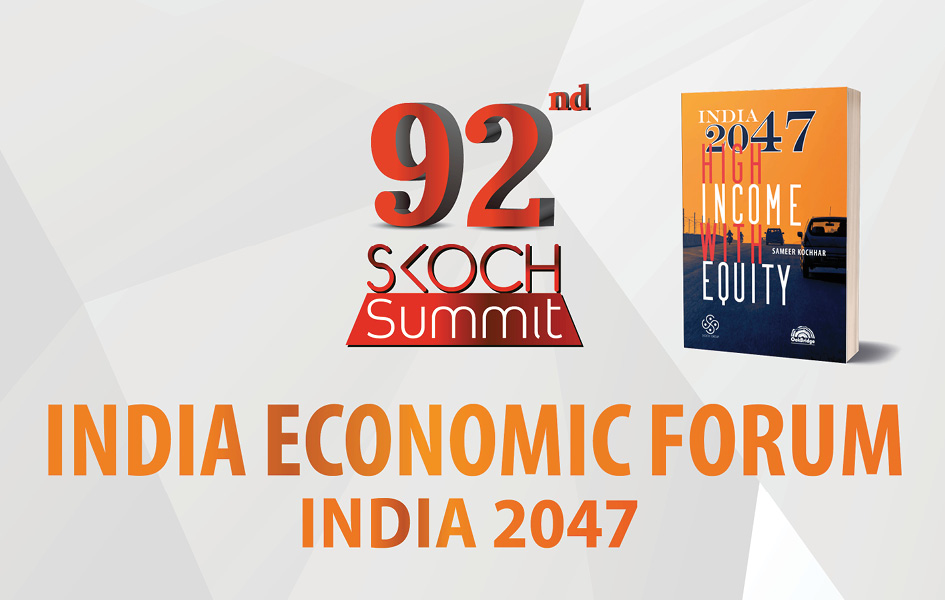
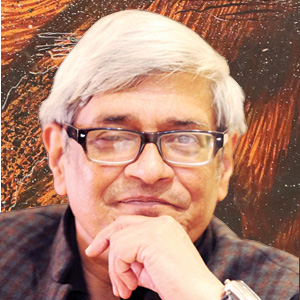
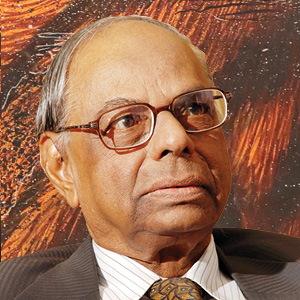

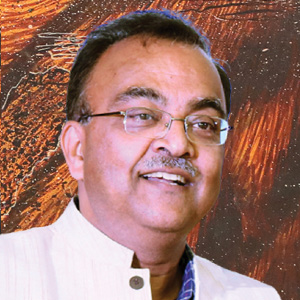
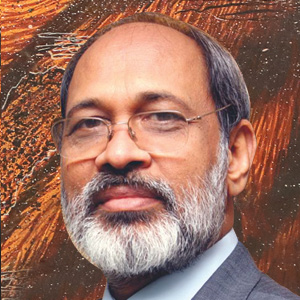

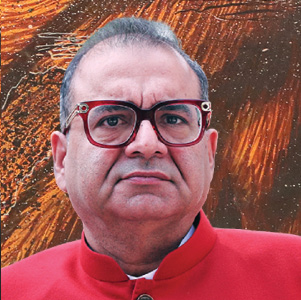
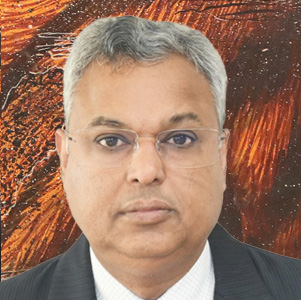

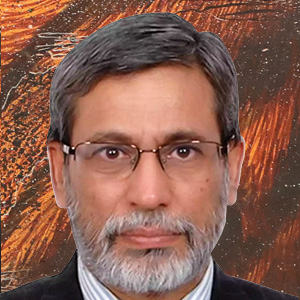


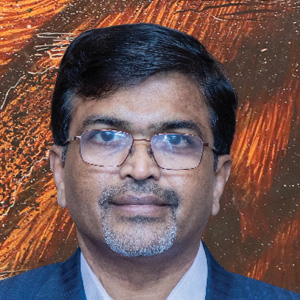
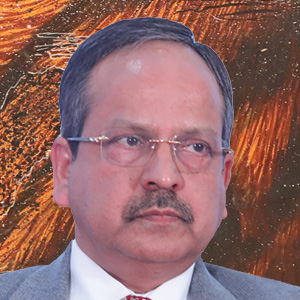
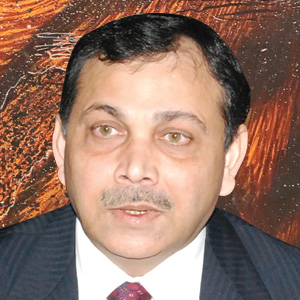
The 92nd SKOCH Summit—India Economic Forum, themed "India 2047: High Income with Equity," brought together leading economists, policy analysts, and industry experts. The discussions centered on charting India's socio-economic trajectory towards becoming a high-income nation by 2047 while ensuring equitable growth. Highlights included the ceremonial release and comprehensive discussion of the book India 2047 - High Income with Equity by Sameer Kochhar. The summit also featured deliberations on BFSI, FinTech, and PSU sectors, recognizing their crucial role in India's developmental goals and financial inclusion. Key speakers included members of the Economic Advisory Council to the Prime Minister and former senior government officials.
Know More










The 91st SKOCH Summit, themed "State of Governance," on May 4, 2023, was a platform for showcasing and deliberating on innovations in public sector service delivery. The key panel discussions focused intensely on cutting-edge governance practices across crucial sectors. These included a session on Innovations in Education and Skill Development, which featured officials from Bihar, Chhattisgarh, Kerala, and Uttarakhand discussing modernization and training. A dedicated panel on Innovations in Finance highlighted advancements in state tax and excise departments, featuring J&K and Maharashtra. Furthermore, the summit hosted in-depth discussions on Innovations in Planning and Development and Municipal Governance, showcasing best practices in urban development, smart city projects, and sustainable planning from states like Maharashtra, MP, Tripura, Ludhiana, and Tirunelveli. The entire event was structured around the presentation and recognition of over 79 projects that received the prestigious SKOCH Order-of-Merit for excellence in governance.
Know More
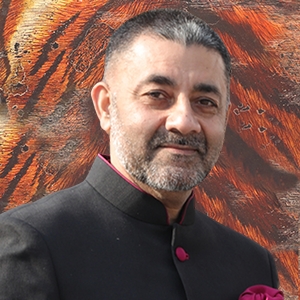
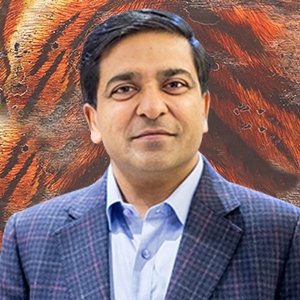

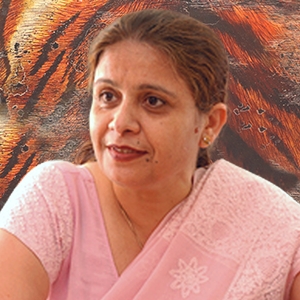

The 90th SKOCH Summit, titled "State of Governance" on March 25, 2023, featured critical discussions on the evolving landscape of public and corporate administration. The summit began with the comprehensive State of Governance 2022 Report Presentation, setting the stage for focused dialogue. The Power Panel: Emerging Governance Imperatives brought together senior officials from the Ministry of Rural Development, Digital India Corporation, Election Commission of India, and the Government of Odisha to debate key challenges and advancements in governance and digital inclusion. Following this, the Emerging CIO Imperatives panel hosted top Chief Information Officers from major corporate entities like UTI AMC, Mahindra Group, BSE Ltd, and Bennett, Coleman & Co., who discussed the strategic role of IT leadership in driving growth and equity.
Know More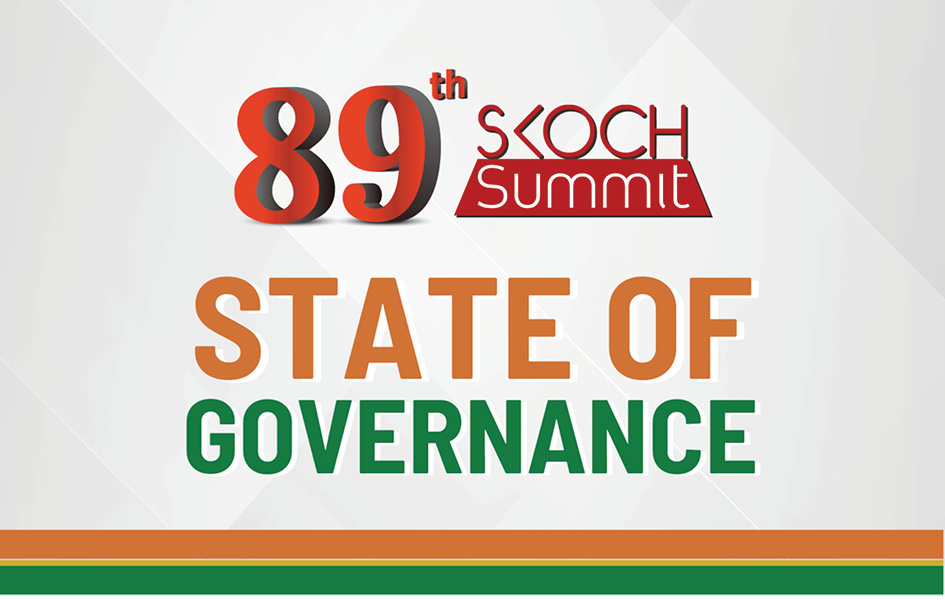

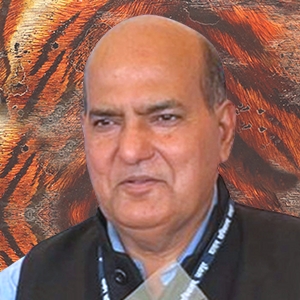
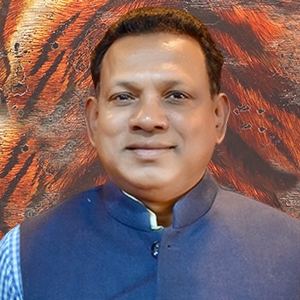
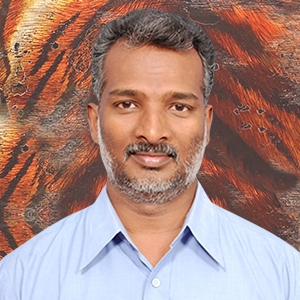
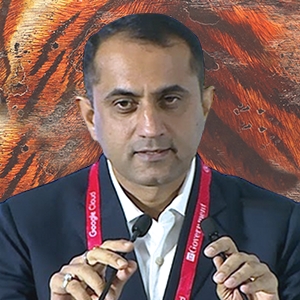


The 89th SKOCH Summit, themed "State of Governance" on March 10, 2023, featured focused deliberations on technological and administrative innovations across state governments. The key panel discussions, moderated by Dr. Gursharan Dhanjal, centered on three critical areas. The Innovations in E-Governance session featured senior officials from Telangana, Tamil Nadu, and Karnataka, exploring digital transformation. This was followed by a panel on Innovations in Education, with participants from Odisha, Rajasthan, Chhattisgarh, and Tamil Nadu discussing advancements in state higher education and school councils. Finally, the Innovations in Municipal Administration & Governance session highlighted best practices in local self-governance from Rajasthan, Tamil Nadu, and Andhra Pradesh, discussing urban development and civic services. The summit also celebrated numerous projects with the SKOCH Order-of-Merit recognition.
Know More





The 88th SKOCH Summit, themed "State of Governance" on January 20, 2023, featured focused deliberations on critical public sector innovations. The first major panel, Innovations in Safety & Security, brought together Additional Director Generals and Inspectors General of Police from Tamil Nadu, Chandigarh, Madhya Pradesh, Andhra Pradesh, and Greater Chennai to discuss cutting-edge policing and security practices. The second key panel, Innovations in Power & Energy, featured senior leaders from major state electricity transmission and distribution companies, including Telangana, Maharashtra, Gujarat, and Chhattisgarh, alongside the Chandigarh Renewable Energy Society, to discuss advancements in power sector efficiency and renewable energy. The summit served as a platform for recognizing numerous state and municipal projects that received the SKOCH Order-of-Merit.
Know More



The 87th SKOCH Summit, themed "State of Governance" on January 18, 2023, featured focused discussions on key areas of public administration and development. The Ease of Doing Business panel, moderated by Dr. Gursharan Dhanjal, brought together senior officials from Assam, Tamil Nadu, Telangana, and West Bengal to discuss bureaucratic and industrial reforms, particularly focusing on MSME development and handloom co-operatives. A second major panel on Innovations in Science & Technology highlighted the role of government bodies in leveraging technology for development, featuring experts from the Science and Technology Councils and Space Application Centres of Tamil Nadu, Gujarat, Arunachal Pradesh, Odisha, and Assam. The summit served as a platform for acknowledging numerous state projects, which received the prestigious SKOCH Order-of-Merit recognition.
Know More




The 85th SKOCH Summit, titled "State of Digital Governance" on November 23, 2022, focused entirely on the effective implementation of digital transformation at the grassroots level. The discussions were split into two major panel sessions, both moderated by Dr. Gursharan Dhanjal. The State of Digital Governance - Districts panel brought together District Collectors and CEOs from Jamtara, Mumbai Suburban, Namakkal, and Koppal to share their best practices in leveraging technology for improved district administration. The subsequent panel, State of Digital Governance - Cities, featured Commissioners and Chief Officers from Gwalior, Nagpur, Lonavala, Pahalgam, and MMRDA, discussing urban development, smart city projects, and municipal digital services. The summit concluded by recognizing numerous impactful projects with the SKOCH Order-of-Merit.
Know MoreThe 85th SKOCH Summit, titled "State of Digital Governance" on November 23, 2022, focused entirely on the effective implementation of digital transformation at the grassroots level. The discussions were split into two major panel sessions, both moderated by Dr. Gursharan Dhanjal. The State of Digital Governance - Districts panel brought together District Collectors and CEOs from Jamtara, Mumbai Suburban, Namakkal, and Koppal to share their best practices in leveraging technology for improved district administration. The subsequent panel, State of Digital Governance - Cities, featured Commissioners and Chief Officers from Gwalior, Nagpur, Lonavala, Pahalgam, and MMRDA, discussing urban development, smart city projects, and municipal digital services. The summit concluded by recognizing numerous impactful projects with the SKOCH Order-of-Merit.
Know More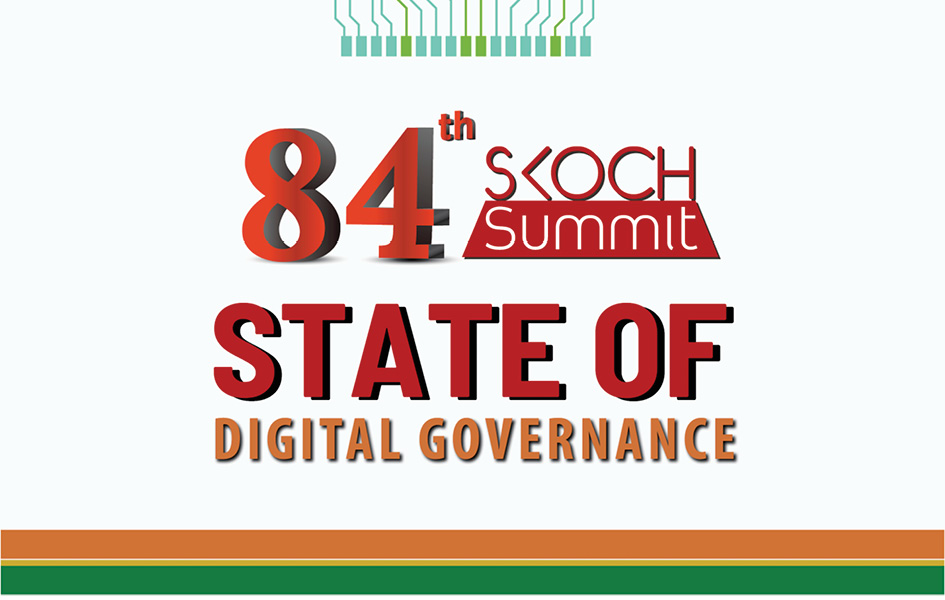
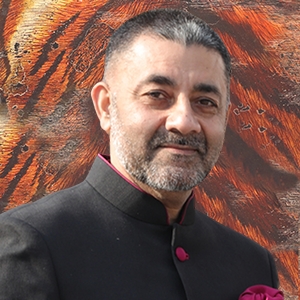
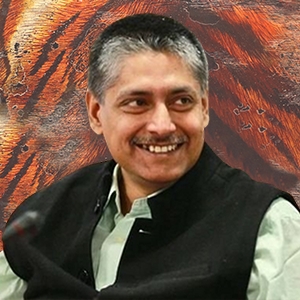





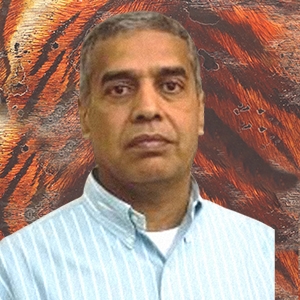

The 84th SKOCH Summit, titled "State of Digital Governance" on November 22, 2022, featured critical discussions on leveraging technology for public service delivery and agricultural transformation. The first session on State of Digital Governance included Principal Secretaries and CEOs from Rajasthan, Odisha, J&K, Punjab, and Uttarakhand, who debated the latest innovations in IT&C, e-governance, and state-level digital agencies. A subsequent, focused panel on State of Digital Governance - Agriculture brought together Additional Chief Secretaries and Directors from Haryana, Telangana, Karnataka, Andhra Pradesh, and Maharashtra to discuss digital interventions in areas like watershed development, horticulture, and agricultural research. The summit served as a platform for recognizing numerous e-governance and development projects with the SKOCH Order-of-Merit.
Know MoreThe 84th SKOCH Summit, titled "State of Digital Governance" on November 22, 2022, featured critical discussions on leveraging technology for public service delivery and agricultural transformation. The first session on State of Digital Governance included Principal Secretaries and CEOs from Rajasthan, Odisha, J&K, Punjab, and Uttarakhand, who debated the latest innovations in IT&C, e-governance, and state-level digital agencies. A subsequent, focused panel on State of Digital Governance - Agriculture brought together Additional Chief Secretaries and Directors from Haryana, Telangana, Karnataka, Andhra Pradesh, and Maharashtra to discuss digital interventions in areas like watershed development, horticulture, and agricultural research. The summit served as a platform for recognizing numerous e-governance and development projects with the SKOCH Order-of-Merit.
Know More









India Governance Forum in its twentieth year, is the oldest Governance Leadership Summit. Its recommendations have had a profound policy impact across the center and state governments. It is one of the few conferences where the focus is on field research-based knowledge-rich arguments that bring felt needs to the discussion table.
We firmly believe Governance is what is received and not what was the intended delivery. Our ongoing field research and conversations across thousands of projects in a year give us a deep insight into what is working and how it can work even better.
We bring together an ecosystem of academia, industry, economists, policy experts, practitioners, and civil society. Carefully constructed panels, well-researched background notes and clearly articulated problem statements to find relevant answers and an agenda moving forward created. Honestly, there is nothing else that comes even close.
Know More







India Governance Forum in its twentieth year, is the oldest Governance Leadership Summit. Its recommendations have had a profound policy impact across the center and state governments. It is one of the few conferences where the focus is on field research-based knowledge-rich arguments that bring felt needs to the discussion table.
We firmly believe Governance is what is received and not what was the intended delivery. Our ongoing field research and conversations across thousands of projects in a year give us a deep insight into what is working and how it can work even better.
We bring together an ecosystem of academia, industry, economists, policy experts, practitioners, and civil society. Carefully constructed panels, well-researched background notes and clearly articulated problem statements to find relevant answers and an agenda moving forward created. Honestly, there is nothing else that comes even close.
Know More




















India Governance Forum in its twentieth year, is the oldest Governance Leadership Summit. Its recommendations have had a profound policy impact across the center and state governments. It is one of the few conferences where the focus is on field research-based knowledge-rich arguments that bring felt needs to the discussion table.
We firmly believe Governance is what is received and not what was the intended delivery. Our ongoing field research and conversations across thousands of projects in a year give us a deep insight into what is working and how it can work even better.
We bring together an ecosystem of academia, industry, economists, policy experts, practitioners, and civil society. Carefully constructed panels, well-researched background notes and clearly articulated problem statements to find relevant answers and an agenda moving forward created. Honestly, there is nothing else that comes even close.
Know More
India Governance Forum in its twentieth year, is the oldest Governance Leadership Summit. Its recommendations have had a profound policy impact across the center and state governments. It is one of the few conferences where the focus is on field research-based knowledge-rich arguments that bring felt needs to the discussion table.
We firmly believe Governance is what is received and not what was the intended delivery. Our ongoing field research and conversations across thousands of projects in a year give us a deep insight into what is working and how it can work even better.
We bring together an ecosystem of academia, industry, economists, policy experts, practitioners, and civil society. Carefully constructed panels, well-researched background notes and clearly articulated problem statements to find relevant answers and an agenda moving forward created. Honestly, there is nothing else that comes even close.
There are reports and then there are reports that matter. In the area of Governance performance assessment, SKOCH State of Governance is the report that matters the most. It is based entirely on primary research and a time-tested process.
The report is nonpartisan - quite a few findings may go against the more popular or convenient narrative.
Each state gets ranked after an exhaustive study of one year. SKOCH Star of Governance Award is conferred sector-wise for the best performance nationally.
Recipients are from Central and State Governments represented at senior most levels.
Know More
India Governance Forum in its twentieth year, is the oldest Governance Leadership Summit. Its recommendations have had a profound policy impact across the center and state governments. It is one of the few conferences where the focus is on field research-based knowledge-rich arguments that bring felt needs to the discussion table.
We firmly believe Governance is what is received and not what was the intended delivery. Our ongoing field research and conversations across thousands of projects in a year give us a deep insight into what is working and how it can work even better.
We bring together an ecosystem of academia, industry, economists, policy experts, practitioners, and civil society. Carefully constructed panels, well-researched background notes and clearly articulated problem statements to find relevant answers and an agenda moving forward created. Honestly, there is nothing else that comes even close.
There are reports and then there are reports that matter. In the area of Governance performance assessment, SKOCH State of Governance is the report that matters the most. It is based entirely on primary research and a time-tested process.
The report is nonpartisan - quite a few findings may go against the more popular or convenient narrative.
Each state gets ranked after an exhaustive study of one year. SKOCH Star of Governance Award is conferred sector-wise for the best performance nationally.
Recipients are from Central and State Governments represented at senior most levels.
Know More

SKOCH India Law Forum (ILF) is an independent platform for change-makers, committed to bringing about a transformative change to the nation through law and legal reform. For 2022, ILF seeks to bring together India’s leading legal luminaries, the government, the judiciary, practitioners of law and the legal fraternity, at the intersection of law and life. While most law forums, which are rare in India, focus on legal practice or legislation, ILF 22 will focus on the impact of law and legislation on businesses and individuals. This is an attempt to understand the impact of law on real life and the aim is to improve the outcomes through dialogue, debate and deliberations.
The forum will look to make recommendations that can increase access to justice and improve the rule of law through proper enforcement. We will look to instigate a positive transformation in India through legal reform by having enriching discussions and debates with actionable outcomes. If India is to become a developed country by 2047, what kind of a judicial system will take us there? What kind of changes will be needed in the current legal and legislative systems to ensure proper enforcement that will actually benefit the citizens.
India Law Forum 2022 is being organized with the understanding that law is fundamental to shaping the India of tomorrow and improving access to justice for everyone. ILF will be the bridge between law (government, lawyers & courts) and life (corporate and individuals) that will be needed to achieve uniform growth across different regions, sectors and industries.
India Law Forum 2022 is being organized with the understanding that law is fundamental to shaping the India of tomorrow and improving access to justice for everyone. ILF will be the bridge between law (government, lawyers & courts) and life (corporate and individuals) that will be needed to achieve uniform growth across different regions, sectors and industries.
Know More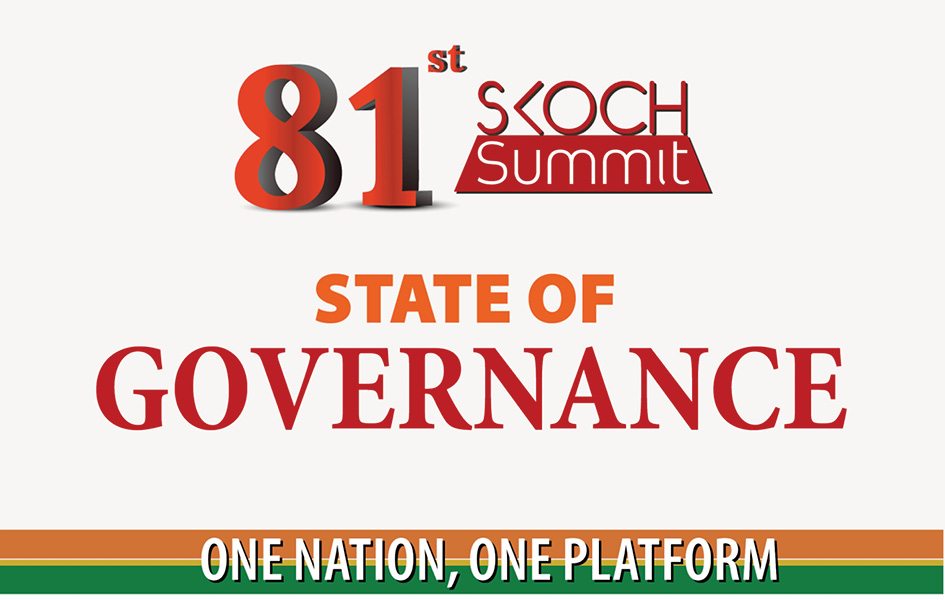





The 81st SKOCH Summit – State of Governance highlights India’s progress in strengthening governance and development outcomes across critical sectors. The summit opens with discussions on the evolving governance landscape, followed by focused sessions on education, forest, and environmental management driving sustainable growth. Panels on energy and transport explore innovations in infrastructure, renewable resources, and digital governance shaping state performance. The event culminates with the prestigious SKOCH Award and SKOCH Order-of-Merit recognitions, celebrating exemplary initiatives and institutions contributing to inclusive, efficient, and transparent governance in India.
Know More










The 80th SKOCH Summit – State of BFSI & PSUs focuses on assessing the performance, reforms, and transformation of India’s Banking, Financial Services, Insurance, and Public Sector Enterprises. The inaugural session sets the stage for a deep dive into how these sectors are driving growth, inclusion, and resilience in the national economy. Discussions on the State of PSUs highlight modernization, efficiency, and strategic realignment; State of Banks explores digital transformation, credit expansion, and financial stability; and State of Insurance examines innovation, penetration, and financial protection for all. The summit concludes with the SKOCH Award and SKOCH Order-of-Merit ceremonies, recognizing outstanding institutions that exemplify excellence and leadership in the BFSI and PSU domains.
Know More

















The 78th SKOCH Summit – State of Governance brings together leaders and practitioners to assess how governance reforms are shaping development across India. The sessions review the performance of districts and states, with focused discussions on progress in energy, transport, and overall development outcomes. The summit highlights innovations, administrative improvements, and sectoral achievements that are strengthening governance at multiple levels. It culminates with the SKOCH Award and SKOCH Order-of-Merit, recognising outstanding projects and institutions driving effective, citizen-centric governance nationwide.
Know More





Cryptocurrencies are here to stay in different forms whether as floating currencies or Stablecoins- which are pegged to actual currencies or Digital coins issued by Central Banks. The rapid adoption of cryptocurrencies has also led to them being recognised as legal tender by countries like El Salvador.
There are questions on how cryptocurrencies can function like fiat currencies because of the wildly fluctuating nature of their value. However, The technological backbone on which cryptocurrencies function can be the foundation of transforming large-scale payments. An example of this can be when Hong Kong, China, Thailand and the UAE, together with the Bank for International Settlements’ Innovation Hub, carried out cross-border transactions with their central bank digital currencies, on an experimental basis. The transaction took seconds, instead of days, as with the conventional method of transferring payments via Swift. This shows that with the efficient implementation of Blockchain the nature and scale of large international transactions can be transformed.
The distributed ledger which underlies the blockchain technology is useful for supporting smart contracts which means that predetermined actions can be executed when payments are concluded on the blockchain. While the potential of this technology is huge, There are also underlying issues such as huge power consumption when compared to traditional forms of payments.
The policymakers have to come to terms with this new form of currency and dedicated awareness campaigns must be run to inform investors about the legitimate and illegitimate ways in which cryptocurrencies can be used. If the adoption of these currencies goes on unchecked it can undermine the stability of National Currencies and make it difficult for the Central Banks to implement Monetary policy effectively. The upcoming economic models will integrate Cryptocurrencies and Blockchain from the outset and it will have a definite impact on National Economies and their GDP.
Know More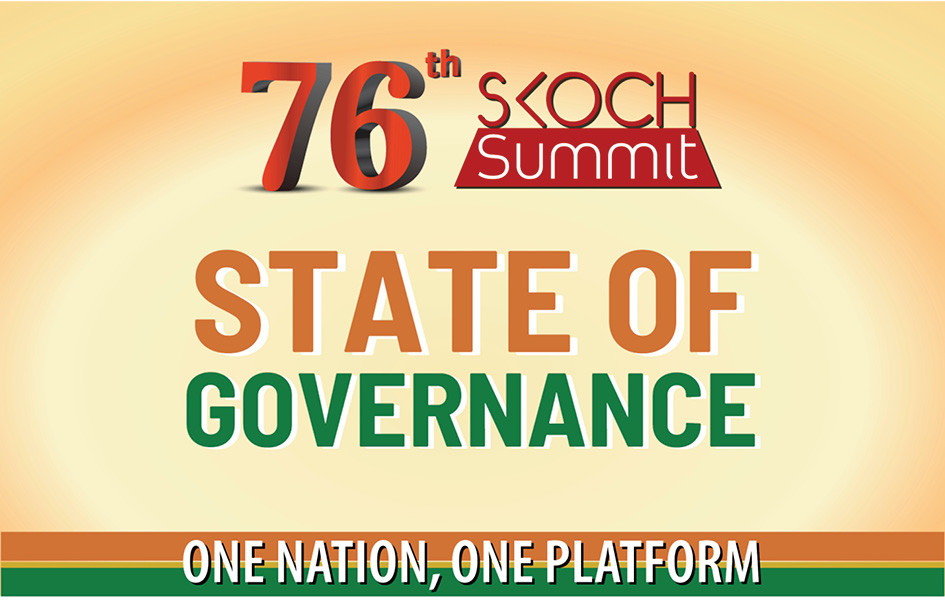

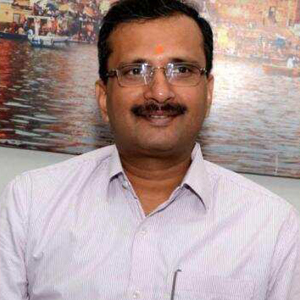

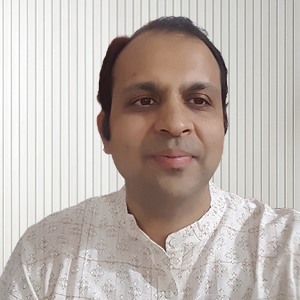
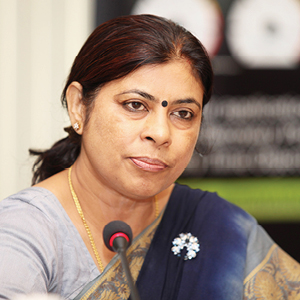
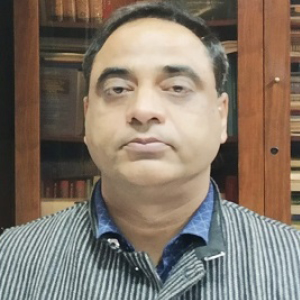










The 76th SKOCH Summit – State of Governance brings together leaders and practitioners to assess how governance reforms are shaping development across India. The sessions review the performance of districts and states, with focused discussions on progress in energy, transport, and overall development outcomes. The summit highlights innovations, administrative improvements, and sectoral achievements that are strengthening governance at multiple levels. It culminates with the SKOCH Award and SKOCH Order-of-Merit, recognising outstanding projects and institutions driving effective, citizen-centric governance nationwide.
Know More
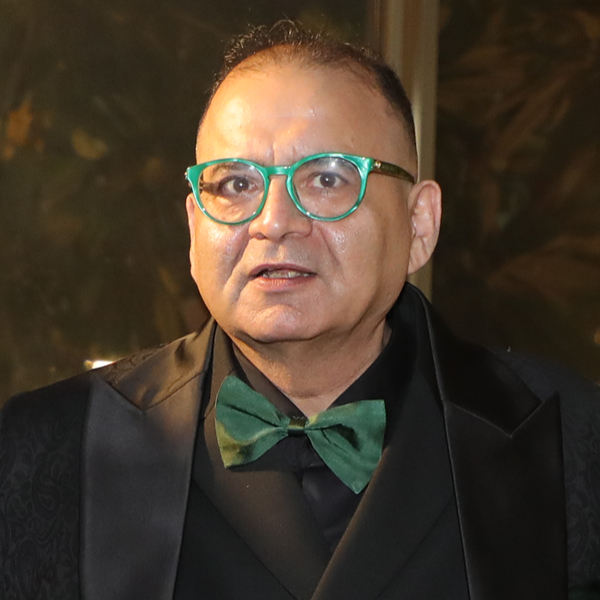


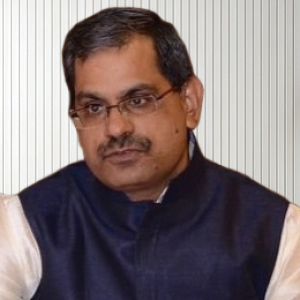






The 75th SKOCH Summit – State of Governance brings together leaders and practitioners to assess how governance reforms are shaping development across India. The sessions review the performance of districts and states, with focused discussions on progress in energy, transport, and overall development outcomes. The summit highlights innovations, administrative improvements, and sectoral achievements that are strengthening governance at multiple levels. It culminates with the SKOCH Award and SKOCH Order-of-Merit, recognising outstanding projects and institutions driving effective, citizen-centric governance nationwide.
Know More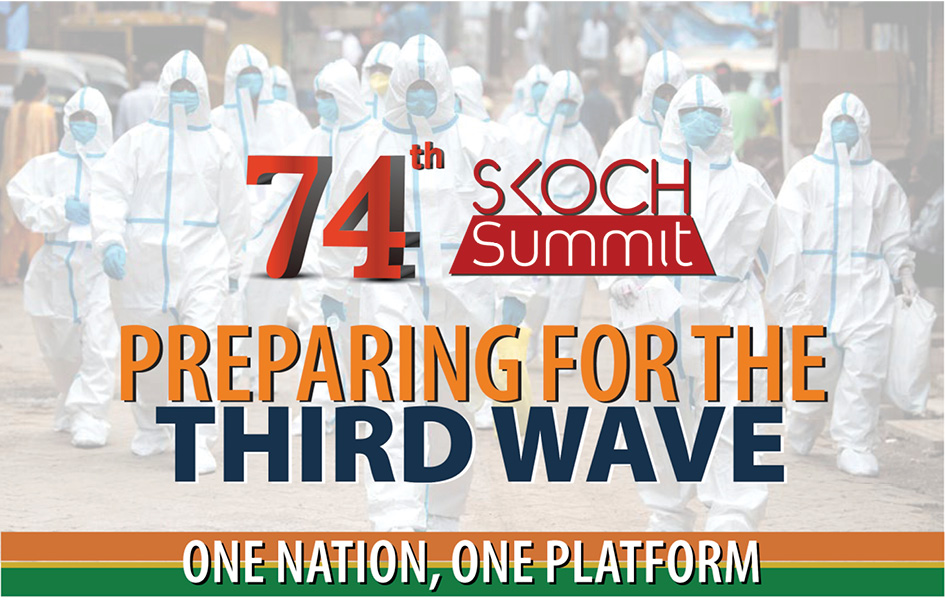

















There is no more a question mark. The third wave of coronavirus has become 'inevitable' now.
There are only questions like when a new variant of COVID-19 will hit the country and whether and how well the centre, states, metros, and districts have prepared for it.
Reuters' survey, based on an opinion poll of 40 doctors, scientists, epidemiologists, and professors across the globe, says it may hit India by October. Director, All India Institute of Medical Sciences (AIIMS), India's premier health institute, Dr Randeep Guleria says that the 'inevitable' third wave could arrive in the next six to eight weeks while Maharashtra State Task Force member Rahul Pandit fears it may arrive earlier than expected if people do not observe COVID-appropriate behaviour. The task force believes that 10 percent of the total cases in the third wave could comprise children and young adults.
SKOCH Group, one of India's leading think tanks dealing with socio-economic issues with a focus on inclusive growth since 1997, is organising a National Consultation 'Preparing for the Third Wave'. The consultation would look at the views of the centre, state, cities and districts. To be organised in three parts, the first conference on the subject would take place on 3 July.
Know More















Connected Government explored the promise and challenges of creating a truly networked public sector, in which data, systems, and services operate seamlessly across departmental and jurisdictional boundaries. The summit centered on how interoperability, citizen-centric design, and service integration can break bureaucratic silos and make governance more coherent and responsive.
It examined infrastructure such as an index for Viksit Bharat, centralized platforms, API-based ecosystems, and identity-based service delivery as tools to enable transaction-level alignment across states, cities, and social programs. With sessions on smart wearables, digital health, and cross-agency monitoring, it showed how connected design is not just about tech but about rethinking institutional flow.
The 73rd Summit affirmed SKOCH’s vision that government must move from fragmented interventions to integrated outcomes—where digital connections are not mere add-ons but the binding tissue of modern governance. It urged the system to be designed for citizens, not departments.
Know More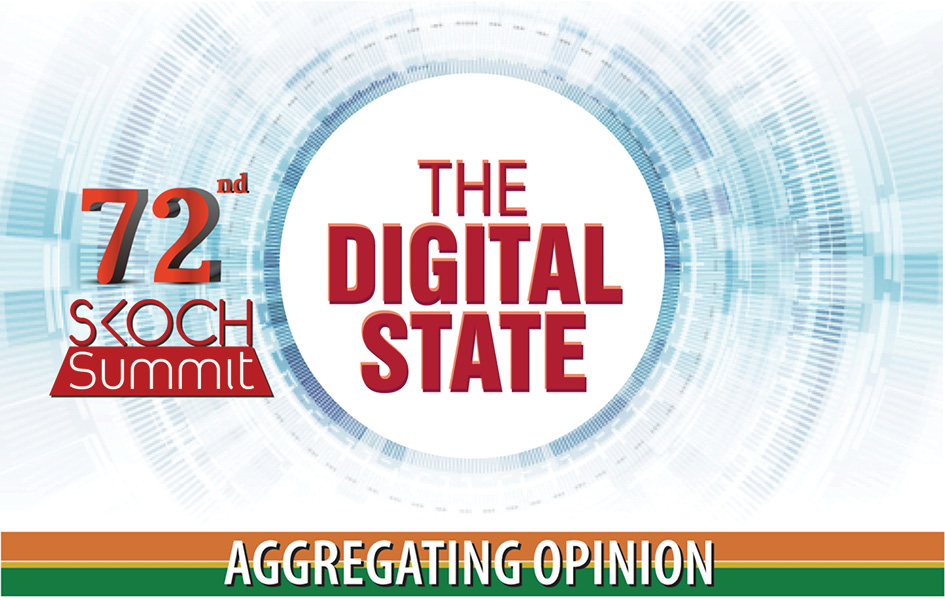












It was in 2016, we published the book "Modi's Odyssey: Digital India, Developed India: which was a combined vision and wisdom of domain experts drawn from the government and the private sector. This book laid out the digital roadmap for India between 2016-19, This vision has enriched most of the national flagship projects through the recommendations in this book.
We are now working on our next edited book entitled 'The Digital State - Highway to AatmaNirbhar Growth' that takes stock of the journey and lays out the roadmap for the next phase of the digital journey of India to a SIO trillion economy with an AatmaNirbhar Growth defined by us as job generative, spatially dispersed, equitable and sustainable growth that would avoid the middle income trap for India.
The book would be a collection of essays by sectoral experts that lay out the digital roadmap in their respective areas. We believe that the AatmaNirbhar Bharat Programme as envisioned by Prime Minister Modi would yield AatmaNirbhar Growth. This is the essence of "The Digital State."
72nd SKOCH Summit with the underlying theme of "The Digital States" kick starts this thinking process, lays out initial thoughts of various stakeholders and initiatives a participative dialogue on how Digital India would now pan out to show a solid impact on Inclusive Growth from 2021 to 2025.
Know More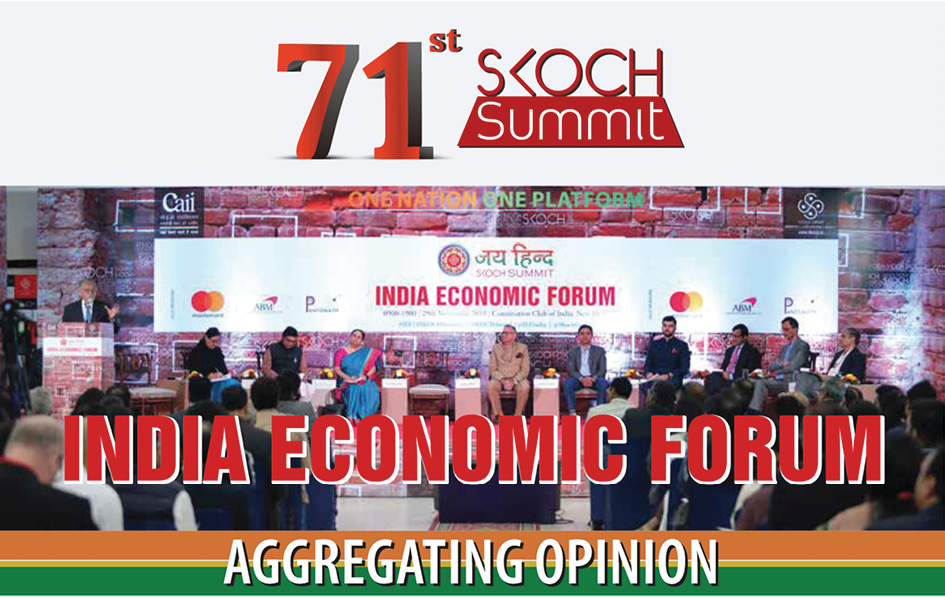

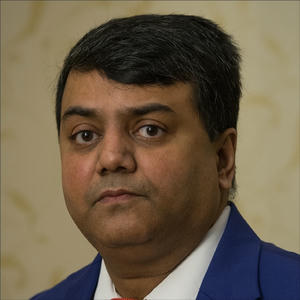
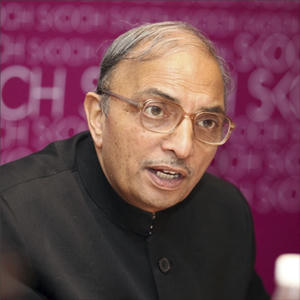
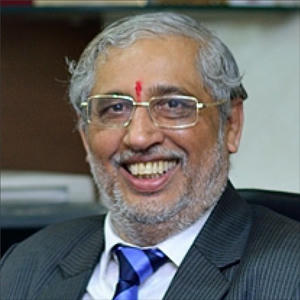
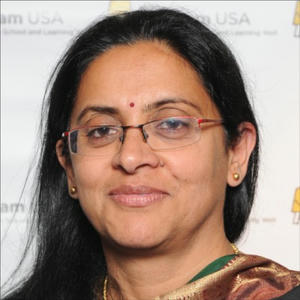








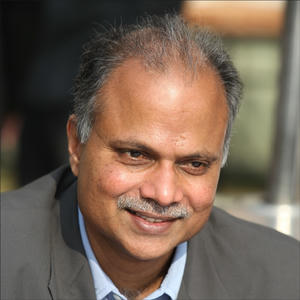
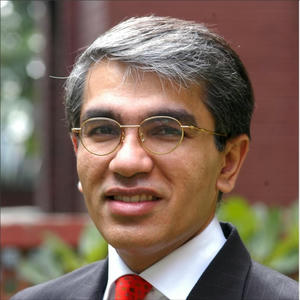
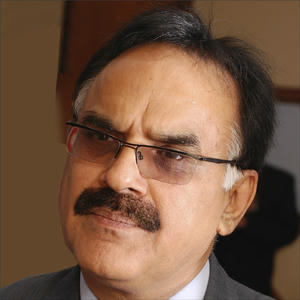



AatmaNirbhar Bharat is a far-reaching programme not only for making India self-reliant but also to put it on a higher growth trajectory This growth we describe as AatmaNirbhar Growth has to be spatially dispersed, job generative and equitable. This then would ensure a 'V' shaped recovery post-COVID and not a 'K' shaped one that has a few stakeholders concerned. India Economic Forum would return actionable recommendations.
AatmaNirbhar Bharat is a far-reaching programme as envisioned by the Hon'ble Prime Minister and we believe that it would logically lead to AatmaNirbhar Growth.
India Economic Forum, this year focuses on this and through consultations with all relevant stakeholders provide a road map and recommendations that would chart this path. The key challenges would be increasing consumption, handling debt situation, getting more private investment as merely government spending may not suffice to generate employment, focus on finding resources to fund infrastructure development and finally doing all this while not losing sight of Environment, Sustainability and Governance.
Being organised soon 20 days after the Union Budget, the idea is to crystallise ways in which the budget can be translated into AatmaNirbhar Growth.
Last year too, the Forum had returned several recommendations. These were published as special issue of INCLUSION magazine and are also available online at: https://inclusion.in/category/inclusion/road-to-recovery/
Know More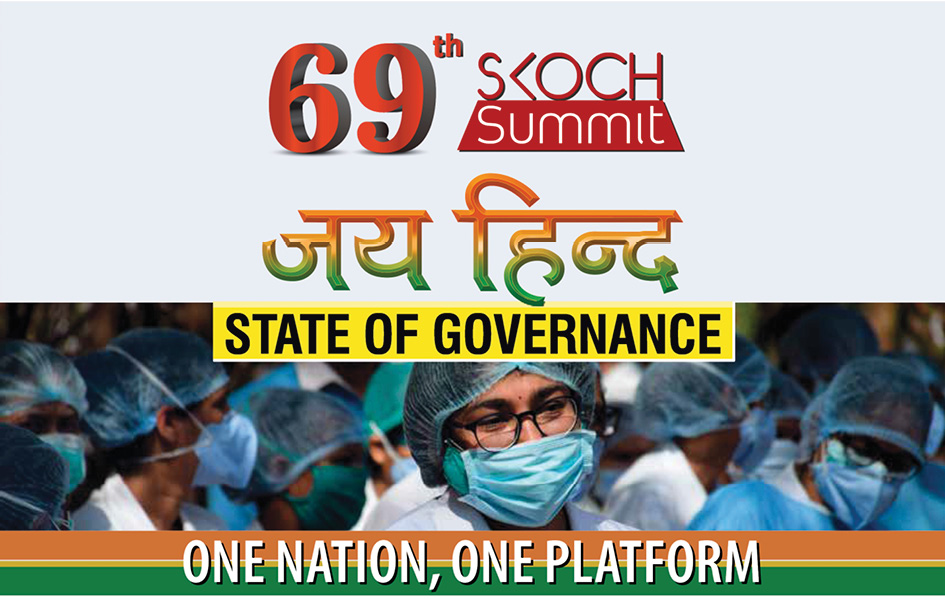















The 69th SKOCH Summit, themed "State of Governance," served as a critical assessment of India's administrative resilience and performance, particularly in the immediate wake of the COVID-19 pandemic. Held in late 2020, the summit's primary goal was to analyze how public institutions, from the district to the national level, responded to the unprecedented health and economic crisis.
Discussions were heavily focused on the performance of local bodies, analyzing the "State of Cities" and "State of Districts." Panels examined how the pandemic had exposed the financial and infrastructural fragility of municipal governments but also highlighted their pivotal role as the frontline "face of the Sarkar" (government). Key imperatives identified included leveraging technology for transparent citizen services, breaking down departmental silos to maintain crisis-level coordination, and building sustainable public health and sanitation infrastructure, as exemplified by projects awarded for municipal solid waste remediation.
Ultimately, the 69th Summit moved beyond theoretical policy to champion the on-the-ground project-level successes that defined India's response. It reinforced SKOCH's foundational belief that true governance is measured by its impact and ability to deliver essential services to all citizens, especially in a time of profound crisis and disruption.
Know More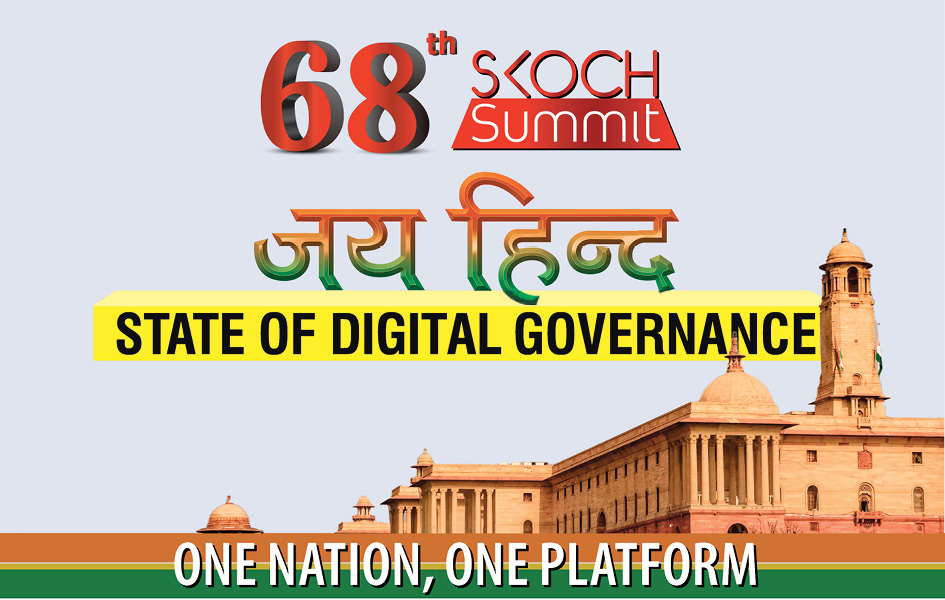




















The 68th SKOCH Summit, focusing on the "State of Governance," served as a pivotal platform for evaluating the performance and resilience of India's administrative systems, particularly at the state and district levels, amidst the ongoing COVID-19 pandemic. The summit's core objective was to benchmark governance outcomes based on real-world project impact and citizen feedback.
Key discussions revolved around the annual SKOCH "State of States" report, analyzing how various state governments navigated the unprecedented challenges in sectors like public health, rural development, water management, and local administration. The forum highlighted best practices and innovations adopted by district administrations in leveraging technology and community engagement to manage the crisis, while also addressing concerns about maintaining coordination across departments post-pandemic.
This segment of the 68th Summit reaffirmed SKOCH's commitment to evidence-based assessment of governance. It emphasized that effective governance is ultimately measured by its ability to deliver essential services and improve citizens' lives, especially during times of crisis, thereby fostering accountability and promoting the replication of successful models across the nation.
Know More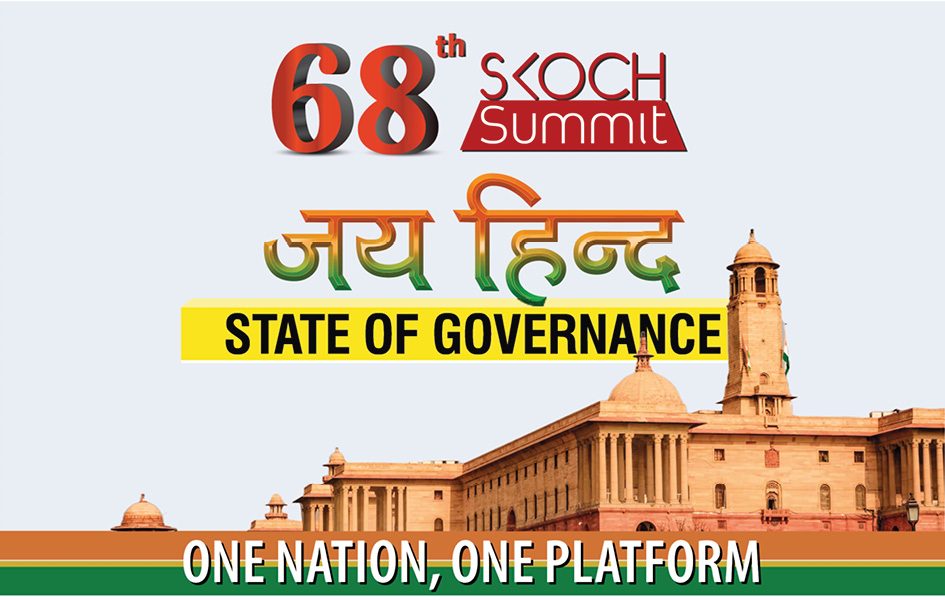







The second part of the 68th SKOCH Summit concentrated specifically on the "State of Digital Governance," positioning digital transformation as the cornerstone for achieving efficiency, transparency, and inclusivity in public administration. The summit aimed to map the future trajectory of digital governance in India, moving beyond basic e-services to integrated, intelligent systems.
Discussions centered on building robust, scalable digital infrastructure capable of supporting complex services and withstanding disruptions. Panels explored the "Future of Digital Governance," including the responsible adoption of emerging technologies like AI, cloud computing, and advanced data analytics for predictive policymaking and enhanced citizen service delivery. Ensuring cybersecurity, data privacy, and bridging the digital divide through last-mile connectivity were key imperatives highlighted throughout the forum.
This summit underscored the SKOCH vision of a digitally empowered India, where technology acts as the primary enabler for "Minimum Government, Maximum Governance." It emphasized that a resilient, secure, and citizen-centric digital framework is not just an adjunct to governance but its fundamental future, essential for achieving inclusive growth and sustainable development.
Know More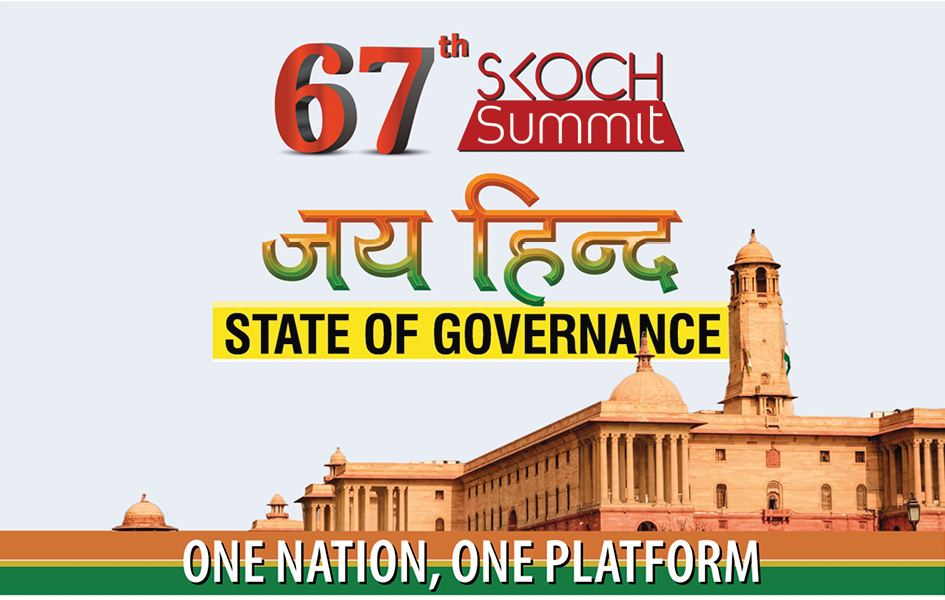





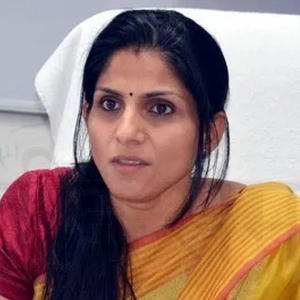






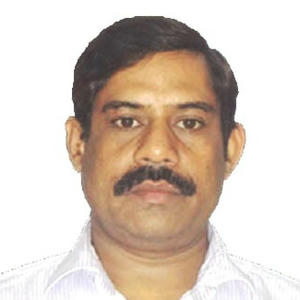

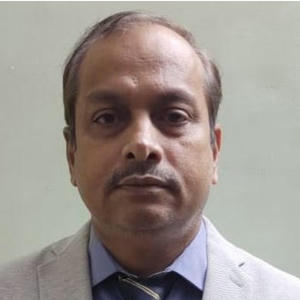






The 67th SKOCH Summit, themed "Jai Hind: State of Governance" and held in October 2020, focused on evaluating the effectiveness and resilience of India's governance frameworks, particularly highlighting the nation's response during the challenging first year of the COVID-19 pandemic. The summit aimed to identify and celebrate impactful governance projects that demonstrated patriotism through dedicated public service delivery.
Discussions centered on assessing how various government departments and state initiatives adapted to the crisis, ensuring continuity of essential services and implementing relief measures. Key areas likely included healthcare management, digital service delivery under lockdown conditions, supply chain maintenance, and economic support mechanisms. The "Jai Hind" theme emphasized projects that showcased national spirit and commitment to citizen welfare, aligning governance outcomes with patriotic duty. The SKOCH Awards presented during the summit recognized specific projects from ministries and states that exemplified excellence and positive impact during this period.
The 67th Summit served as a crucial stock-taking exercise during the pandemic, reinforcing SKOCH's belief that robust governance, characterized by adaptability, citizen-centricity, and effective implementation even under duress, is fundamental to national strength and progress.
Know More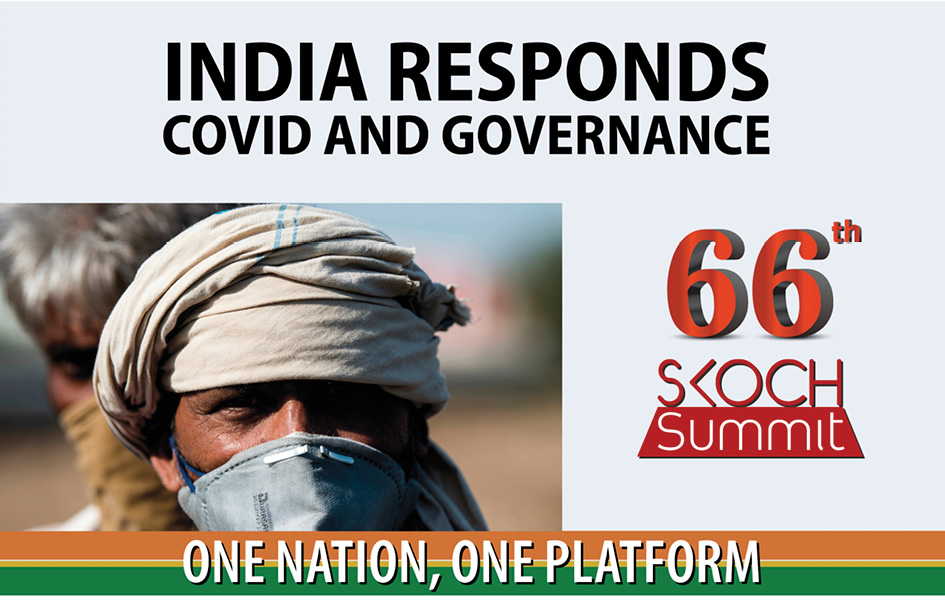





The 66th SKOCH Summit, themed "India Responds: COVID and Governance" and held in July 2020, was convened specifically to analyze and showcase India's multi-faceted response to the initial, critical phase of the COVID-19 pandemic. The summit's primary objective was to understand how governance systems at all levels—national, state, and local—adapted and performed under the unprecedented stress of the health crisis and subsequent lockdowns.
Key discussions centered on the immediate public health response, economic relief measures, use of technology for tracking and management (like contact tracing apps), ensuring supply chains for essential goods, and the role of district administrations and local bodies in frontline crisis management. The summit highlighted innovative solutions and best practices adopted by various government entities to mitigate the pandemic's impact, focusing on resilience, citizen communication, and service delivery continuity. SKOCH Awards presented during this summit specifically honored projects and initiatives demonstrating effective governance and impactful interventions directly related to the COVID-19 response.
This summit served as an early, crucial assessment of India's governance capabilities during a major crisis. It underscored the SKOCH principle of evaluating governance based on real-world outcomes and adaptability, emphasizing the importance of technology, inter-departmental coordination, and community involvement in navigating national emergencies.
Know More


Self-reliance is a survival imperative. for has several dimensions. For MSMEs it means the twin objectives Of producing for local consumption and also producing for exports. For Hi-Tech it is a question of national security as well as global leadership. In a world dominated by big-tech. India has to lead and not be digitally colonised- The wireframe of governance needs to be strengthened at all three levels of center, state and local bodies.
This is imperative for pushing the Atmanirbhar agenda as policy. implementation. finances and success are all dependent on governance. Keeping this in mind, the 65th SKOCH Summit tries to show the path towards the light at the end Of the tunnel.
Know More

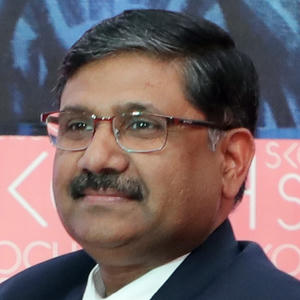

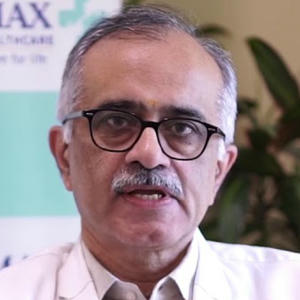


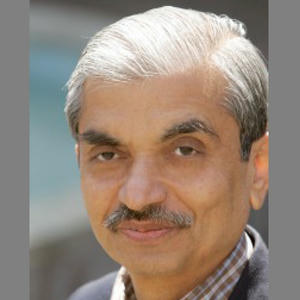



This session of the 64th SKOCH Summit, themed "India Governance Forum – Doctors Against COVID," was convened in April 2020 to specifically address the critical role of the medical community during the initial onslaught of the pandemic. The forum aimed to understand the challenges faced by healthcare professionals and highlight their frontline efforts in combating the unprecedented health crisis.
Discussions likely centered on the immediate experiences of doctors and healthcare workers, focusing on treatment protocols, availability of PPE, hospital infrastructure readiness, patient management strategies, and the mental and physical toll on medical staff. The forum provided a platform for sharing best practices, discussing emergent medical responses, and potentially formulating recommendations for policymakers regarding healthcare system support and resource allocation during the pandemic's early phase.
This forum underscored the vital human element within the governance response to COVID-19. It highlighted SKOCH's commitment to bringing practitioners' ground-level perspectives into the policy discourse, recognizing the indispensable contribution of healthcare professionals in the national fight against the pandemic.
Know More






This specific dialogue within the 64th SKOCH Summit, held in April 2020, focused intensely on the newly launched Aarogya Setu mobile application. The primary goal was to facilitate a multi-stakeholder discussion on the app's potential, functionalities, and the significant privacy and data security concerns surrounding its deployment as a key tool in India's COVID-19 response.
The dialogue brought together government officials (likely from NITI Aayog and MeitY), legal experts, technology policy advocates, and privacy researchers. Key discussion points included the app's effectiveness in contact tracing, its technological architecture, data collection and storage protocols, the legal framework underpinning its use (or lack thereof initially), potential for surveillance, and the balance between public health objectives and individual privacy rights. Concerns about data security vulnerabilities and the app's mandatory usage in certain contexts were likely debated extensively.
This dialogue represented a critical early public examination of a major technological intervention in the pandemic response. It highlighted SKOCH's role in convening difficult but necessary conversations on the intersection of technology, governance, public health, and civil liberties, aiming to foster transparency and accountability in the deployment of digital tools.
Know More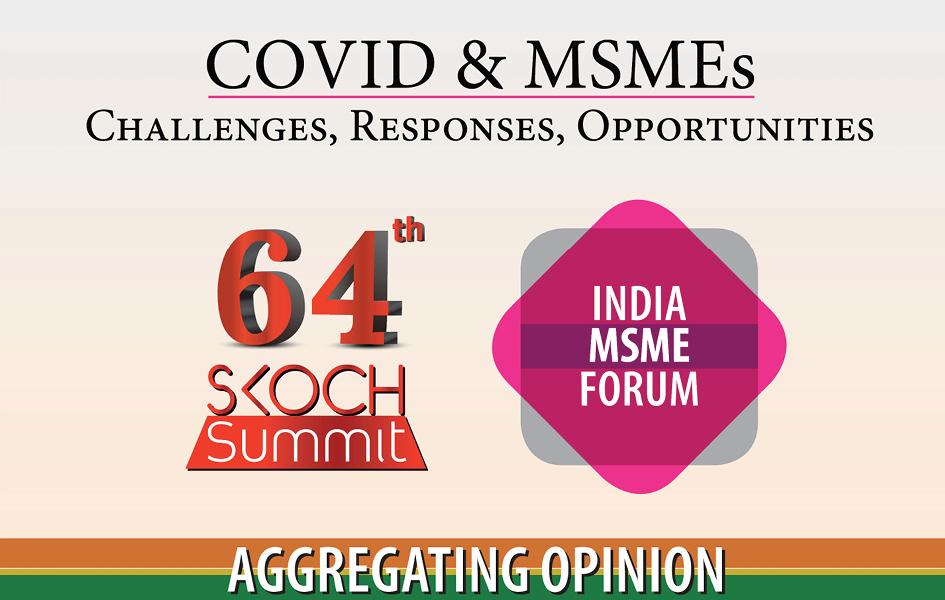







This forum, part of the 64th SKOCH Summit in April 2020, specifically addressed the severe impact of the COVID-19 pandemic and the ensuing nationwide lockdown on India's Micro, Small, and Medium Enterprises (MSMEs). The objective was to assess the immediate challenges faced by the sector and explore potential relief measures and survival strategies.
Discussions focused on the acute disruptions faced by MSMEs, including supply chain breakdowns, labor shortages, liquidity crunches, order cancellations, and the inability to meet fixed costs during the lockdown. The forum likely explored the effectiveness of initial government relief packages, debated the need for further financial assistance (like credit guarantees, loan moratoriums), and discussed strategies for business continuity, digital adoption, and accessing available support schemes. Voices from MSME owners and industry associations were central to understanding the ground realities.
This forum highlighted the critical economic dimension of the COVID-19 crisis, focusing on a sector vital to India's employment and growth. It underscored SKOCH's focus on inclusive economic policy, bringing the specific vulnerabilities and needs of MSMEs into the national discourse to advocate for targeted interventions and support mechanisms during an unprecedented economic shock.
Know More


The 63rd SKOCH Summit integrated a Public Policy Forum with a Public Policy LITFest, creating a unique platform that blended rigorous policy discussions with insights from contemporary literature on governance, economics, and social issues in India. Likely held in late 2019, the summit aimed to enrich the policy discourse by incorporating perspectives from authors and their recent works.
The core Public Policy Forum segment addressed pressing national challenges, examining the effectiveness of ongoing reforms, exploring strategies for economic growth, and debating improvements in public service delivery and governance structures. Simultaneously, the LITFest component featured discussions with authors, book launches, and panels centered around influential new books relevant to these policy areas. This integration allowed for a dynamic exchange where data-driven analysis met narrative insights, and policy debates were informed by the research and perspectives presented in recent literature.
By combining these elements, the 63rd SKOCH Summit aimed to foster a more holistic understanding of India's development challenges. It underscored SKOCH's innovative approach to policy dialogue, leveraging the power of both expert analysis and compelling literature to stimulate debate and contribute to more informed public policy.
Know More


India Economic Forum set out to reframe the growth conversation from how much we invest to how efficiently we convert investment into output. The summit argued that India must focus on lowering the ICOR (Incremental Capital–Output Ratio) and capturing higher value in global supply chains if it is to move beyond incremental gains and aim for a multi-trillion-dollar economy.
Dialogue among economists and policy leaders converged on a pragmatic outlook: growth prospects were anchored in the 6–6.5% band in the near term, but unlocking the next step requires structural reforms—from factor-market flexibility and productivity upgrades to disciplined public investment and smarter regulation. The emphasis was on outcomes over outlays: channel capital where it yields the most, compress execution lags, and hard-wire accountability.
A strong policy through-line was the health of MSMEs and the credit plumbing that sustains them. The forum spotlighted instruments like GST-based bill discounting backed by a government guarantee fund to ease working-capital stress and speed up receivables, linking everyday enterprise finance to the macro goal of durable, broad-based growth. In this telling, reforms are not abstract—they are the pipes and protocols that determine whether India’s real economy breathes freely.
Know More


“Jai Hind: State of Governance” treated governance as an economic instrument, not just an administrative ideal. It asked how India could translate intent into outcomes by improving execution, reducing friction, and aligning public finance to citizen-level delivery. Power panels and plenaries explored state capacity, public finance, and social sector performance, positioning governance as the lever that turns reform blueprints into measurable impact.
A recurring thread was efficiency: how to optimize resources and improve ICOR-like productivity in the public sphere, so that every rupee delivers more service, more trust, and more inclusion. Discussions bridged macro and micro—linking fiscal realism with better frontline delivery in districts, cities, and line departments—so governance could be judged by what citizens actually receive, not merely by policy announcements.
The summit culminated in recognition of standout initiatives through the SKOCH Order-of-Merit and Governance Awards, reinforcing the message that excellence in governance is evidence-led and outcome-driven. In essence, the 61st SKOCH Summit reframed governance as India’s competitive advantage: agile, accountable systems that compound benefits across the economy and society.
Know More


“Jai Hind: $5 Trillion Transformation” reframed India’s growth ambition as a design problem: how to mobilize investment at scale, hard-wire productivity, and make markets and institutions pull in the same direction. The summit’s tracks — from finding investments and policy-making for a $5 trillion economy to the climate–growth nexus — argued that the next leap requires capital deepening alongside disciplined execution and regulatory clarity.
A strong current in the discourse was economic sovereignty in the digital era: India contributes brains to the world’s tech giants, but must also own innovation and value chains at home. Speakers pressed for policies that keep strategic platforms and data within Indian hands, linking this to competitiveness, jobs, and national capacity.
Equally, the summit insisted that growth quality matters as much as growth speed. Panels called for climate-aligned industrial strategy, resilient infrastructure and finance, and reforms that lower execution gaps so every rupee yields more output. The broader message: a $5 trillion milestone is a waypoint, not the destination — the aim is a durable, inclusive trajectory toward the next orders of magnitude.
Know More


“Practising Cyber Patriotism” argued that national security, economic ambition, and citizen rights now meet on the digital frontier. Framed through a “India First” lens, the summit pressed for a coherent doctrine that marries data sovereignty, platform independence, and critical-infrastructure protection with innovation and private-sector partnership.
The program moved from principle to practice: “Whose Data Is It Anyway?” interrogated ownership and fiduciary responsibility; “National Cyber Security Strategy” examined institutional readiness; and the Cyber Patriot Convention showcased technical work, while SKOCH School tracks on Blockchain for Governance and AI for Governance connected emerging tech to real public-sector use cases. Together, these threads located cyber policy in everyday governance—health, education, finance, and service delivery—not just in defence postures.
A pivotal message came from the National Cyber Security Coordinator, who linked an upcoming National Cyber Security Strategy to India’s economic goals, emphasizing inter-ministerial coordination, critical-infrastructure protection, and public–private collaboration as non-negotiables. In essence, the summit recast “patriotism” as a modern discipline: securing data, networks, and digital public goods so India can innovate confidently and grow securely.
Know More


ModiNomics 2.0 asked how India could translate ambition into durable, broad-based growth by aligning macro strategy with institutional reform. The summit’s frame connected the dots between fiscal federalism and public investment, corporate governance and market depth, and the digital rails that now underpin inclusion and productivity. It positioned macroeconomics not as spreadsheet arithmetic but as a design challenge: build institutions that lower execution gaps, crowd-in private capital, and turn policy stability into business confidence.
The program moved from principle to practice—probing financial deepening, payment-system resilience, and fintech regulation alongside sessions on cognitive/disruptive technologies and cyber security imperatives. By examining payment banks’ viability, MSME credit, and the regulatory posture towards emerging tech, it treated finance and technology as joint levers for productivity rather than separate policy lanes.
The wider takeaway was a playbook for compounding growth: reinforce governance standards, secure the digital financial backbone, and channel capital to where it multiplies output most. Recognition of innovators and lenders underscored that outcomes matter—the ecosystem advances when ideas are matched by execution and measurable impact.
Know More


“Jai Hind: Practising Patriotism” reframed patriotism as a daily discipline of nation-building — measured not by slogans but by actionable choices in policy, markets, and public life. The summit asked how citizens, businesses, and institutions can turn love of country into better governance, ethical enterprise, and evidence-led reform. It treated patriotism as a civic operating system: reduce leakages, respect the rule of law, secure the digital commons, and make every intervention count for inclusion and productivity.
Keynotes and panels explored what “actionable patriotism” means across domains: defending constitutional values in an era of polarisation, marrying growth with fairness, and insisting on outcomes over intentions in public programs. Voices from journalism, scholarship, and policy challenged attendees to replace performative pride with accountable practice — from transparent procurement to citizen-first service delivery.
The result was a grounded manifesto: patriotism is verified in the quality of our systems — the schools we build, the laws we uphold, the data we protect, and the dignity we extend. By shifting the focus from rhetoric to measurable impact, the 57th SKOCH Summit positioned patriotism as the everyday craft of making India work better for all.
Know More


“The Inclusion Manifesto” reframed inclusion as a hard-edged governance and data problem—less about slogans and more about who is left out, why, and how to fix it. The summit advanced a practical doctrine: deliver physical and social infrastructure first; build reliable, granular data about the poor; and align programmes to measurable outcomes rather than intent. It argued that India’s predominantly informal economy complicates traditional measurement of jobs and welfare, demanding better instruments for identifying need and tracking impact.
A centrepiece was the release of the SKOCH State of Inclusion Report 2019, which connected evidence from the field to policy choices on financial access, social protection, and last-mile delivery. Discussions pressed for decentralised beneficiary identification (SECC-like approaches) over top-down surveys, so subsidies and services reach the right households with fewer leakages. The message was clear: inclusion must be engineered through data fidelity, local accountability, and infrastructure that expands real capabilities.
Beyond debate, the summit recognized on-ground exemplars through the SKOCH Order-of-Merit/Awards, underscoring that credible inclusion is verified in execution—not announcements. By tying research, reform, and recognition together, “The Inclusion Manifesto” set a high bar: make inclusion the operating system of governance, where programs are designed, targeted, and audited to deliver dignity and opportunity at scale.
Know More


“The Economic Manifesto” reframed India’s growth debate around felt needs: not abstract targets, but the everyday economic issues that touch households and enterprises. The summit argued that manifestos must speak plainly to jobs, prices, credit, and services—and be audited against outcomes, not promises. It set a discussion framework that anchored policy ideas in lived reality, treating economic messaging as a contract with citizens.
Deliberations pressed for reforms that convert intent into measurable prosperity: faster credit and payments for MSMEs, smarter regulation that lowers compliance friction, and public investment that multiplies productivity rather than just outlays. The program’s “power panel” format stressed accountability and delivery, urging political and administrative leaders to hard-wire execution into manifesto design.
Recognition at the summit highlighted what “good” looks like in practice—initiatives improving ease of doing business and institutional responsiveness—reinforcing the message that credible manifestos are verified on the ground. In spirit and substance, the Economic Manifesto located growth where it matters most: in outcomes citizens can feel, measure, and trust.
Know More


“State of Power, Oil & Gas” took stock of a sector at an inflection point—where reliability, affordability, and the energy transition must be reconciled with the hard constraints of utility balance sheets and legacy infrastructure. The summit mapped the reform arc from policies and regulations to operations on the ground, examining people, processes, and technology adoption across DISCOMs and upstream/downstream value chains. Cybersecurity and grid modernisation emerged as cross-cutting imperatives rather than afterthoughts.
Discussions pressed on execution: how to stabilise DISCOM finances, reduce AT&C losses, professionalise utility governance, and scale digital tools for metering, billing, and outage management. The programme’s emphasis on “emerging policies, regulations & reforms” and “innovation & new technologies” reflected a sector being rewired in real time—where regulatory clarity and operational discipline must travel together.
Recognition at the summit underlined outcomes, not optics—spotlighting ministries and enterprises advancing measurable change, while media coverage captured the broader message: India’s power and hydrocarbon systems will anchor growth only if reform translates into reliable, tech-enabled service at the last mile. In this telling, energy policy is nation-building by other means.
Know More


“The Fifth Year” took stock of governance at the close of a political cycle, asking how promises translate into public outcomes and, ultimately, into a renewed mandate. The summit framed the moment as a stress test for India’s institutions: did flagship reforms deepen inclusion and efficiency, and where did delivery fall short? Its opening conversations explicitly explored “Translating Governance to Mandate,” setting the tone for an evidence-led appraisal of achievements and gaps.
Panels on “Undercurrents in Participatory Democracy” brought voices from policy, media, and civil society to interrogate what citizens actually received versus what was intended. The debate probed electoral accountability, program execution, and whether institutional design kept pace with the scale of reforms—treating participation not as optics, but as the mechanism that turns governance into legitimacy.
Keynotes and dialogues connected macro vision with ground realities—linking infrastructure push, administrative reform, and sectoral performance to felt improvements in daily life. The summit’s through-line was clear: durable mandates emerge when systems deliver measurable value, and when governance is judged by outcomes that citizens can see, use, and trust. In that sense, “The Fifth Year” was both a report card and a blueprint for compounding gains in the years ahead.
Know More


State of Governance (52nd) put the spotlight on whether promises made at the Centre and in the states were translating into outcomes that citizens could actually feel. The programme interrogated big, contested questions—data privacy and its democratic implications, evidence versus rhetoric in governance, and how to benchmark delivery across departments and jurisdictions—framing governance as a lived experience rather than a policy brochure.
The summit’s field-driven approach connected research to recognition: best-performing institutions and projects were showcased and awarded, reinforcing SKOCH’s “outcomes over optics” ethic. Coverage around the summit captured how on-ground initiatives—from state planning departments to district programmes—were evaluated for real impact, not intent.
A wider narrative thread linked these spotlights to SKOCH’s annual State of Governance analytics: leadership quality, institutional capacity, and steady reform compound into better citizen services. In that telling, the 52nd edition was less a conference and more a report card—using evidence, rankings, and debate to nudge Indian governance toward transparency, accountability, and measurable results.
Know More


State of Inclusion asked a simple, consequential question: who is still outside India’s growth story—and why? The summit reframed inclusion as a design problem for policy and delivery, pushing beyond intent to examine whether public programmes, financial systems, and local institutions are actually reaching the last mile. It set out a pragmatic inclusion agenda grounded in evidence, field learning, and outcomes, convening policy thinkers, administrators, bankers, and civil society to align on what works and what must change.
Deliberations cut across financial access, social protection, and capability-building, spotlighting models that translate entitlement into usable service—timely credit for small producers, skilling that leads to employability, and local governance that closes leakages. Recognition at the summit reinforced this ethos, highlighting initiatives that demonstrably improved lives rather than merely expanding paperwork—an insistence that inclusion be measured by delivery, not declarations.
In spirit and practice, the summit argued that inclusion is the operating system of good governance. It called for course-corrections in both policy and implementation, better data about the excluded, and accountability loops that keep citizen outcomes at the centre. By doing so, State of Inclusion positioned inclusion not as an afterthought to growth, but as the engine that makes growth resilient, equitable, and real.
Know More


“Journey Continues – India 2030” looked beyond celebration to chart a citizen-centred roadmap for a New India. It asked how India could translate reform gains into a purposeful march toward 2030—where inclusion, youth energy, and institutional trust become the flywheels of growth. The summit framed the moment as both stock-taking and agenda-setting, reflecting on reforms that lifted millions from poverty while inviting a fresh dialogue on the next horizon.
The programme’s Jai Hind keynotes pressed for practical pathways to a multi-trillion-dollar economy: mobilising investment, deepening digital public infrastructure, and aligning markets with national capability. Sessions and talks explored a “digital path to India 2030,” linking platforms and data to productivity, competitiveness, and jobs.
More than a commemorative milestone, the 50th summit positioned 2030 as a test of execution: can India compound reform into everyday outcomes that citizens feel? By tying ambition to delivery—through policy coherence, digital rails, and accountable institutions—it set the tone for the decade ahead: growth that is inclusive in design and measurable in effect.
Know More


“Potential Unleashed” examined how India could convert a series of big policy moves into broad-based prosperity. The summit’s canvas spanned GST’s growth potential, MUDRA and job creation, demonetisation and macro stability, and the push for rural revival, infrastructure, and service digitisation—treating each not as isolated reforms but as parts of a single productivity story. It asked a pointed question: what unlocks potential faster—new policies or better execution architectures that carry them to the last mile?
A defining thread was the role of technology and data in compounding gains. Tracks on a Smart Technologies Convention (data analytics, artificial intelligence) and a Smart Security Convention (future-ready security, ransomware/malware response) positioned digital capability and cyber hygiene as prerequisites for efficient markets and trustworthy governance. The programme also probed how to unlock PSU value, arguing that stronger balance sheets and governance can catalyse investment and accelerate public outcomes.
In essence, the 49th summit offered a practical playbook: pair structural reforms with digitised delivery, resilient security, and institutional accountability to translate ambition into measurable growth. By framing policy, technology, and governance as a single engine, “Potential Unleashed” turned a reform moment into an execution mandate—so the economy’s potential becomes performance citizens can see and feel.
Know More


“India 2022” set an unambiguous agenda: convert a decade of digital momentum into everyday economic value. The summit brought together policy leaders, technologists, and market practitioners to probe how digital cities and digital states could become platforms for growth—where data, service delivery, and citizen experience are designed as one system rather than siloed programs. It treated digital public infrastructure as the scaffolding for competitiveness, not just convenience.
A core thread was the financial system’s next frontier. Through Thought Leadership: Financial Technology 2022 and From Digital Payments to Digital Economy, the programme examined how payments rails, fintech ecosystems, and risk frameworks can deepen inclusion while strengthening market integrity. The message was practical: move beyond pilots to scale, and pair innovation with risk appreciation and decision-making so finance stays both open and safe.
Equally, the summit anchored digital ambition in Smart City & Swachh Bharat delivery and Digitisation & Cyber Security—arguing that urban services, cleanliness missions, and secure networks are the places where citizens actually “meet” the state. By tying policy to platforms and platforms to lived outcomes, “India 2022” reframed digital transformation as nation-building by design.
Know More


“ModiNomics - One Generation Change” framed reform as a promise measurable in a single lifetime: defeat poverty, formalise the economy, and compound opportunity through institutions that work. The summit connected the big levers—demonetisation and a less-cash economy, digital banking & insurance, universal health assurance, learning revolution, MSME reboot, and urban governance reform—into one productivity narrative: policy must travel through technology and institutions to become prosperity.
Rather than treating sectors in silos, the programme argued for a whole-of-economy design. Financial rails and digital identity needed to meet welfare delivery; land, labour and credit reforms had to unlock job-generative, sustainable growth; and city planning and implementation had to translate ambition into everyday services. The emphasis was on execution architectures—the pipes, standards, and accountability loops that turn intent into outcomes.
In spirit, the summit served as a blueprint and a benchmark: if reforms are to deliver within a generation, they must be coherent, citizen-centred, and evidence-audited. By weaving macro vision with delivery detail—from universal basic income debates to food security and sustainable agriculture—ModiNomics was presented not as a slogan, but as a systems agenda for inclusive, durable change.
Know More


“Smart Technologies, Sustainable Growth” explored how technology becomes a multiplier only when it is embedded in institutions, markets, and everyday delivery. The summit treated digital rails—identity, payments, data platforms—as public infrastructure that can compress transaction costs, expand access, and create new productivity frontiers for citizens and enterprises alike. It argued that technology is not a parallel track to development, but the wiring that makes development systemic and scalable.
Discussions connected smart with sustainable: energy and utilities modernization, insurance and financial services, and urban management were examined through the lens of tech-enabled efficiency, resilience, and responsible growth. Rather than celebrating gadgets, the focus stayed on operating models—how to institutionalize standards, interoperability, and accountability so that digital tools translate into measurable outcomes.
The core message was pragmatic and forward-looking: sustainable growth demands more than adoption; it requires governance that can absorb technology, regulate prudently, and keep citizens at the centre. By turning marquee technologies into everyday public value, the 46th SKOCH Summit advanced a playbook for compounding inclusion and competitiveness together.