SKOCH Summit






Agenda
India is a federation of states. There are State subjects, Central subjects as well as a Concurrent list. Citizens now expect government to deliver quality online services with uninterrupted connectivity at all times. This expectation presents a challenge and can cause a spiralling effect on development programmes including those related to digital governance. Priorities of the government alternatively are not merely the efficient delivery of citizen services but also to focus on security, privacy and data. In the connected government framework at the centre, each ministry may create its own applications and then take it national through state governments. These include programmes like National Digital Health Mission, Education, Agriculture and Land & Property Dematerialisation.
Operating a connected government requires a fresh approach to conceiving national level programme rollouts, collecting and analysing information and delivering keeping the end-customer in vision. It would be interesting subject to study how the states integrate the national connected government vision with their own.
Connected government is not about technology alone, it is about self-service portals, voice activated assistants, unified digital platforms and so on. State government are increasingly adopting modern technologies to deliver enhanced value to its citizens. The focus is shifting from reactive and responsive to proactive and predictive. For example, the government has turned to technology to mitigate the impact of Covid-19 that has given encouraging results.
Government has to address significant citizen concerns while using technology for civic engagement and confidence building. A connected government implies collaboration among all the federal governments and programmes to align services and delivery to citizen’s felt-needs with a single citizen view. The 73rd SKOCH Summit deliberates on the vision of state governments on how they see their own connected government approaches pan out between 2021-25 by when India is poised to become $1 trillion digital economy.
1330 - 1430
Inaugural Session
In this session, Dr Gursharan Dhanjal highlighted how technologies once imagined in science fiction have now become part of everyday governance and public services. He emphasized that digital transformation has shifted citizen expectations toward faster, more accurate, and higher-quality government services. Introducing the theme of the 73rd SKOCH Summit—Connected Government—he noted that modern governance relies on integrated digital platforms and collaborative federal systems. He also welcomed SKOCH Chairman Sameer Kochhar, recognizing his contributions through influential books on economic reforms, financial inclusion, and Digital India. The address underscored how initiatives in digital health, education, agriculture, and land systems are shaping governance. He concluded by noting that India’s digital initiatives are key to achieving the vision of a $1 trillion digital economy.
Welcome: Dr Gursharan Dhanjal, Managing Director & Editor, SKOCH Group
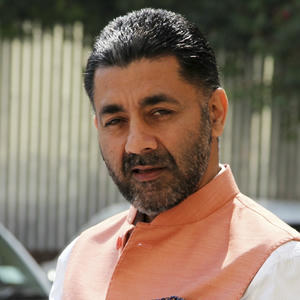
Opening Remarks: Mr Sameer Kochhar, Chairman, SKOCH Group
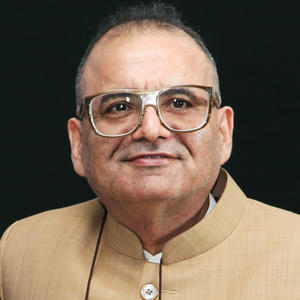
Mr Sameer Kochhar
Chairman, SKOCH Group
Reforms historian and author of best-seller ModiNomics, Sameer Kochhar is Chairman, SKOCH Group. He is a passionate advocate of social, digital and financial inclusion and is a foremost expert on governance and inclusive growth. His work has been acclaimed globally and endorsed by Mr Narendra Modi, Mr M Venkaiah Naidu, Dr Manmohan Singh, Mr Arun Jaitley, Mr P Chidambaram, Mr Yashwant Sinha, Dr C Rangarajan and Dr Montek Singh Ahluwalia and so on. In his thinking and writings and activities, his profound admiration for India's economic reforms and in extension, those outstanding personalities who strive to make these reforms more meaningful and broad-based comes out clear and unambiguous.
Dr Gursharan Dhanjal
Managing Director & Editor, SKOCH Group
Dr Gursharan Dhanjal, MA, M.Phil, PhD from Delhi University, an expert in development economics. He is Vice Chairman, SKOCH Group. He is also Editor of INCLUSION—a quarterly publication that focuses on inclusive growth related areas. He has led various research projects, impact assessments and field studies in MSMEs, women empowerment, entitlements, rights, sanitation, social inclusion, health, financial inclusion, e-governance and ICT for development that included traversing across the country, collecting citizen voices for over two decades now. A prolific writer, Dr Dhanjal has contributed over 200 columns in leading national dailies including The Hindustan Times, The Times of India, The Financial Express and The Pioneer. He has published research papers in several journals of repute in addition to authoring following widely acclaimed books: Tarapur: The Politics of Nuclear Age; and, Infrastructure and Governance. He was member of the Working Group on ICT in Higher Education constituted by Planning Commission for the 12th Five Year Plan.
1030 - 1130
Districts
Districts are the face of the governance which interface directly with the citizen. It is an ideal situation to have an integrated view of the government for the citizen with a single sign-on to have a single user interface. It makes the government agile, responds quickly to new situations, particularly a situation like COVID-19. For citizen, it would mean reduced number of visits to the government office, improved governance and with the availability of error free data, better targeting and delivery of services. The Panel discusses the following:
- What needs to be done to improve this integration?
- What are the impediments?
- Given the current challenges, how to leverage data and see its functionality across all applications, services and departments?
The session on connected government at the district level highlighted how stronger integration between Centre, State, district, block, and village institutions is essential for faster, corruption-free, and citizen-centric service delivery. Moderator Madan Mohan emphasized that digitization, automation, and real-time data are now transforming governance and reducing delays in planning, execution, and fund flows. Bhadradri Kothagudem showcased how e-governance, preventive healthcare, mobile outreach, and convergence across departments significantly improved health outcomes in remote tribal areas. Mahbubnagar presented its landmark digitization of over 67,000 historical files and lakhs of pages, enabling instant retrieval of records, reducing human intervention, and strengthening dispute resolution and public service delivery. Mon district, Nagaland, shared its community-driven COVID response, combining technology, strict quarantine, church and tribal institutions, and local preparedness to effectively contain the pandemic. Across the discussion, panelists agreed that while digitization has advanced rapidly, single-window citizen access and stronger feedback systems are still evolving. G. B. Panda underlined the need for measurable outcomes, better use of tribal and special assistance funds, and wider replication of these district innovations. The session concluded that connected government succeeds when digital initiatives are embedded into processes, not just driven by individuals, making governance more resilient, scalable, and sustainable.
Moderator: Mr Madan Mohan, Senior Fellow, SKOCH Development Foundation & Former CGM, NABARD
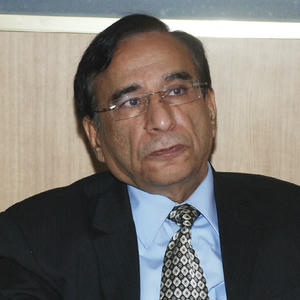
Mr Thavaseelan K, Deputy Commissioner, District Administration Mon
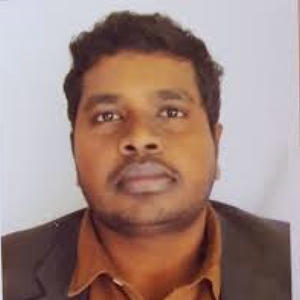
Mr Venkata Rao Suthapalli, Collector & District Magistrate, District Administration Mahabubnagar
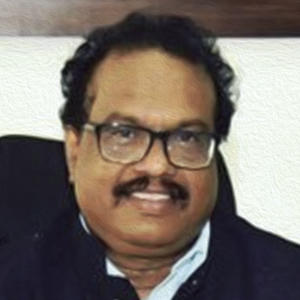
Dr MV Reddy, Collector & District Magistrate, District Administration Kothagudem
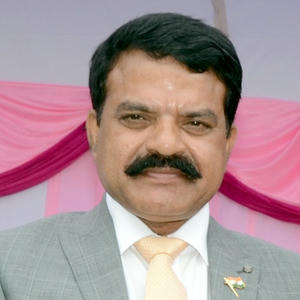
Mr G B Panda, Senior Fellow, SKOCH Development Foundation and Former Senior Advisor, Planning Commission
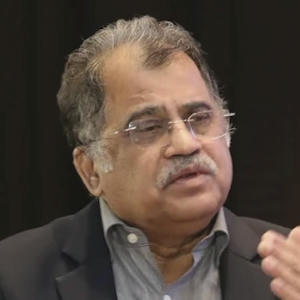
Moderator: Mr Nirmal Bansal, Senior Fellow, SKOCH Development Foundation & Former Banker
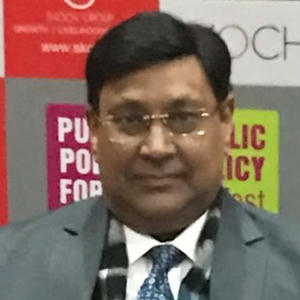
Mr Madan Mohan
Senior Fellow, SKOCH Development Foundation & Former CGM, NABARD and CEO, NABARD Consulting
Mr Thavaseelan K
Deputy Commissioner, District Administration Mon
Mr Venkata Rao Suthapalli
Collector & District Magistrate, District Administration Mahabubnagar
Dr MV Reddy
Collector & District Magistrate, District Administration Kothagudem
Mr G B Panda
Senior Fellow, SKOCH Development Foundation &
Senior Adviser, NITI Aayog
Mr Nirmal Bansal
Senior Fellow, SKOCH Development Foundation & Former Banker
1140 - 1240
Local Bodies
The evolution of local governance in the present system of Panchayati Raj Institutions and various types of Municipal Bodies goes along the constitution models in the form of 73rd and 74th Constitutional Amendments. Local bodies are the interaction layer for the citizens For citizen, it would mean transacting online and for government, availability of error free data, better targeting and delivery of services. It makes the government agile, responds quickly to new situations, particularly a situation like pandemic. The Panel discusses the following:
- What needs to be done to improve this interaction?
- What are the impediments?
- Given the current challenges, how to leverage data and see its functionality across all applications, services and departments?
The session on local bodies focused on how urban and rural governance institutions are strengthening connected government through decentralized, citizen-centric initiatives under the 73rd and 74th Constitutional Amendments. G. B. Panda highlighted diverse innovations such as GIS-based municipal mapping, smart parking solutions, school infrastructure upgrades, and community kitchens, all addressing specific local challenges. The GIS mapping initiative demonstrated how integrated data can improve planning, resource management, and service delivery, though challenges remain in data sharing and state-level integration. Kolkata’s smart parking project showcased technology-driven, contactless solutions that enhance efficiency and transparency while being scalable across urban areas. Jalgaon’s school infrastructure model emphasized convergence of funds, community participation, and employment generation, leading to improved educational environments and reduced dropouts. Kozhikode’s community kitchen stood out as a people-driven model ensuring food security during the pandemic through strong volunteerism and resource mobilization. Across discussions, the importance of public participation, convergence of schemes, and technology adoption emerged as key enablers of effective governance. The panel concluded that while these localized innovations are impactful and replicable, long-term sustainability, funding models, and stronger integration with broader governance systems remain critical for scaling success.
Moderator: Mr Nirmal Bansal, Senior Fellow, SKOCH Development Foundation & Former Banker
Ms Shreeja CS, Chairperson, Nedumangad Municipality

Mr Animesh Bhattacharya, Chief Executive Officer, New Town Kolkata Green Smart City Corporation Limited (NKGSCCL)
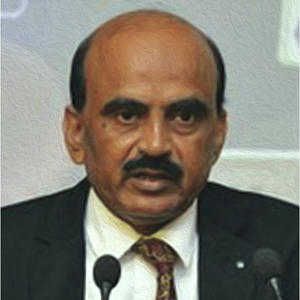
Dr Bhagwantrao Patil, Chief Executive Officer, Zilla Parishad Jalgaon
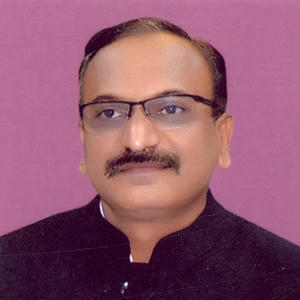
Ms Bini K U, Secretary, Kozhikode Municipal Corporation
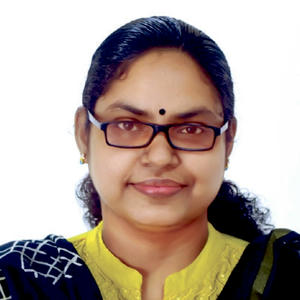
Recommendations: Mr UK Sharma, Senior Fellow, SKOCH Development Foundation & Former Adviser, Niti Ayog
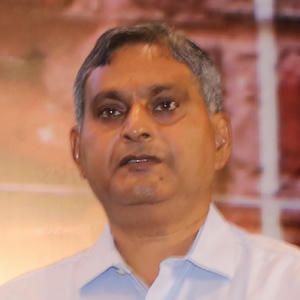
Mr Nirmal Bansal
Senior Fellow, SKOCH Development Foundation & Former Banker
Ms Bini K U
Secretary, Kozhikode Municipal Corporation
Mr Animesh Bhattacharya
Chief Executive Officer, New Town Kolkata Green Smart City Corporation Limited (NKGSCCL)
Dr Bhagwantrao Patil
Chief Executive Officer, Zilla Parishad Jalgaon
Mr UK Sharma
Senior Fellow, SKOCH Development Foundation & Former Adviser, Niti Ayog
Ms Shreeja CS
Chairperson, Nedumangad Municipality
1330 - 1430
Jobs & Ease of Doing Business
Economies are ranked on their ease of doing business from 1-190. India is currently at 63rd rank, ascended 17 notches from 2019. Ease of Doing Business includes business / regulatory reforms, getting credit, paying taxes, contracting with the government and employing workers. We need to do some out of the box thinking. The panel discusses the following:
- What needs to be done for India to improve its rankings on Ease of Doing Business?
- What are the impediments and how to overcome these?
- How to increase jobs?
The session focused on the relationship between ease of doing business and job creation, especially in the context of the COVID-19 pandemic. Panelists highlighted how digital governance, simplified regulations, and technology-driven systems have helped improve business processes and reduce administrative barriers. Case studies from states like Telangana, Karnataka, and Odisha demonstrated initiatives such as productivity-linked wage schemes, online labor compliance systems, and skill mapping of migrant workers. Speakers emphasized the importance of skill development, reskilling, and recognition of informal sector skills to improve employability and productivity. The discussion also highlighted the role of digitization, transparency, and single-window systems in improving business efficiency. Private sector perspectives noted that technology adoption and foreign investment confidence are contributing to job growth. Panelists stressed that education, training ecosystems, and policy alignment between central and state governments are crucial for long-term progress. The session concluded that effective implementation, technology integration, and coordinated governance are key to strengthening both job creation and ease of doing business in India.
Moderator: Mr Bhushan Mohan, Senior Fellow, SKOCH Development Foundation & Former Principal Consultant, NeGD
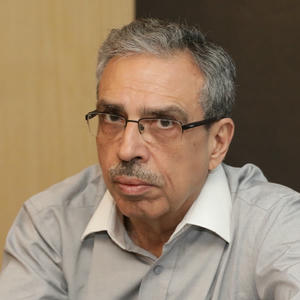
Ms Shailaja Ramaiyer, Commissioner, Department of Handlooms and Textiles, Government of Telangana

Mr S Narasimha Murthy, Additional Labour Commissioner, Department of Labour, Government of Karnataka
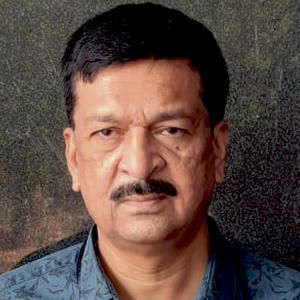
Mr Lingraj Panda, State Project Director, Odisha Adarsha Vidyalaya Sangathan
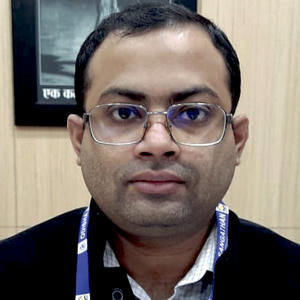
Mr Abhishek Agarwal, President, Judge India Solutions Private Limited
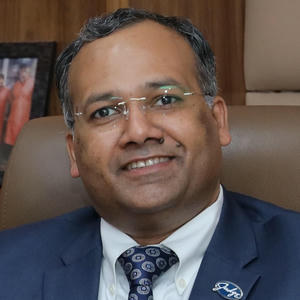
Recommendations: Dr Shefali Dash, Distinguished Fellow, SKOCH Development Foundation & Former Director General, NIC

Mr Bhushan Mohan
Senior Fellow, SKOCH Development Foundation & Former Principal Consultant, NeGD
Ms Shailaja Ramaiyer
Commissioner, Department of Handlooms and Textiles, Government of Telangana
Mr S Narasimha Murthy
Additional Labour Commissioner, Department of Labour, Government of Karnataka
Mr Abhishek Agarwal
President, Judge India Solutions Private Limited
Mr Lingraj Panda
State Project Director, Odisha Adarsha Vidyalaya Sangathan
Dr Shefali Dash
Distinguished Fellow, SKOCH Development Foundation & Former Director General, National Informatics Centre
Dr. (Mrs.) Shefali S. Dash is a Ph.D in Physics & Former Deputy Director General, National Informatics Centre, New Delhi. Her Areas of Specialization are Planning and implementation of Management Information Systems (MIS) and Decision Support Systems (DSS), development and implementation of e-Governance programmes, Informatics Development Services and Setting up of Computer Centres, Local Area Networks and computer communication infrastructure in rural areas. She has Implemented a number of large scale projects like the Rajiv Gandhi National Drinking Water Mission computerization Project, Community Information Centre Project, GRAMSAT Project, Warana Wired Village Project, Project Arrow of Department of Post, Setting up of Wide Area Network for connecting all the post offices in the country, Setting up of National Consumer Call Preference Registry for TRAI, Project Nikshaya for Ministry of Health etc. She has been instrumental in preparing e-Governance Plans for various State Governments in India as well as for the Government of Lao PDR.
1440 - 1540
Innovation
Innovation has macroeconomic impact as well as pushes productivity and competitiveness. The role of government is to invest in science, incentivise and to create necessary infrastructure. So, interdependence, knowledge transfer and sustained investment become critical to innovations. The panel discusses the following:
- Innovation relies on skills and infrastructure that need investments. How can we achieve better coordination for desired results?
- Innovation is becoming more international – how to build on national policies to draw on ideas and best practices so that it does not develop in a vacuum?
- How to take these innovations to market?
This panel discussion focused on the role of innovation in driving economic growth, emphasizing the need to strengthen skills, infrastructure, and investments to improve India’s global innovation standing. While India has made progress, panelists highlighted gaps such as low R&D spending, weak industry-academia linkages, and challenges in scaling innovations beyond laboratories. A key theme was that innovation must be market-driven, supported by coordination among multiple stakeholders including government, industry, and financial institutions. The importance of skill development, especially at the technician level, was stressed as critical for sustaining innovation ecosystems. Several examples—from renewable energy adoption to waste-to-wealth infrastructure solutions—demonstrated how collaboration and applied research can lead to successful implementation. Panelists also pointed out barriers such as funding constraints, regulatory hurdles, and lack of commercialization pathways. The discussion underscored that innovation should be affordable, scalable, and socially beneficial. Ultimately, stronger policies, increased R&D investment, and better mechanisms for technology transfer are essential to ensure innovations translate into real-world impact.
Moderator: Dr Gursharan Dhanjal, Managing Director & Editor, SKOCH Group
Mr Chandra Vanu Som, Additional Chief Secretary, Sports, Youth & Cultural Activities Department, Government of Gujarat
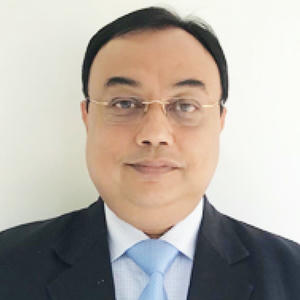
Dr Hanif Qureshi, Director General, New & Renewable Energy Department, Haryana & HAREDA, Haryana Renewable Energy Development Agency (HAREDA)
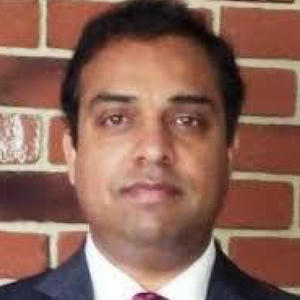
Mr Satish Pandey, Principal Scientist, CSIR-Central Road Research Institute
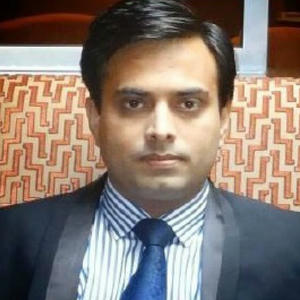
Dr M P Parvathee Devi, Superintendent, Government Ayurveda Research Institute for Mental Diseases

Mr Amitava Akuli, Joint Director, Centre for Development of Advanced Computing (C-DAC)
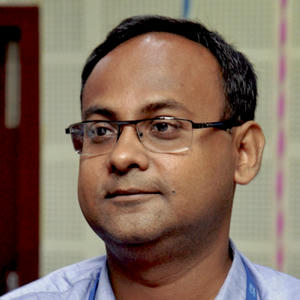
Recommendations: Dr Shefali Dash, Distinguished Fellow, SKOCH Development Foundation & Former Director General, NIC
Dr Gursharan Dhanjal
Managing Director & Editor, SKOCH Group
Dr Gursharan Dhanjal, MA, M.Phil, PhD from Delhi University, an expert in development economics. He is Vice Chairman, SKOCH Group. He is also Editor of INCLUSION—a quarterly publication that focuses on inclusive growth related areas. He has led various research projects, impact assessments and field studies in MSMEs, women empowerment, entitlements, rights, sanitation, social inclusion, health, financial inclusion, e-governance and ICT for development that included traversing across the country, collecting citizen voices for over two decades now. A prolific writer, Dr Dhanjal has contributed over 200 columns in leading national dailies including The Hindustan Times, The Times of India, The Financial Express and The Pioneer. He has published research papers in several journals of repute in addition to authoring following widely acclaimed books: Tarapur: The Politics of Nuclear Age; and, Infrastructure and Governance. He was member of the Working Group on ICT in Higher Education constituted by Planning Commission for the 12th Five Year Plan.
Mr Chandra Vanu Som
Additional Chief Secretary, Sports, Youth & Cultural Activities Department, Government of Gujarat
Dr Hanif Qureshi
Director General, New & Renewable Energy Department, Haryana & HAREDA, Haryana Renewable Energy Development Agency (HAREDA)
Mr Satish Pandey
Principal Scientist, CSIR-Central Road Research Institute
Dr M P Parvathee Devi
Superintendent, Government Ayurveda Research Institute for Mental Diseases
Mr Amitava Akuli
Joint Director, Centre for Development of Advanced Computing (C-DAC)
Dr Shefali Dash
Distinguished Fellow, SKOCH Development Foundation & Former Director General, National Informatics Centre
Dr. (Mrs.) Shefali S. Dash is a Ph.D in Physics & Former Deputy Director General, National Informatics Centre, New Delhi. Her Areas of Specialization are Planning and implementation of Management Information Systems (MIS) and Decision Support Systems (DSS), development and implementation of e-Governance programmes, Informatics Development Services and Setting up of Computer Centres, Local Area Networks and computer communication infrastructure in rural areas. She has Implemented a number of large scale projects like the Rajiv Gandhi National Drinking Water Mission computerization Project, Community Information Centre Project, GRAMSAT Project, Warana Wired Village Project, Project Arrow of Department of Post, Setting up of Wide Area Network for connecting all the post offices in the country, Setting up of National Consumer Call Preference Registry for TRAI, Project Nikshaya for Ministry of Health etc. She has been instrumental in preparing e-Governance Plans for various State Governments in India as well as for the Government of Lao PDR.