SKOCH Summit
Energy, Environment and Climate
Filter:












Over the past two decades, the SKOCH Summits have been more than just gatherings—they have been milestones in India’s journey toward inclusive growth, economic empowerment, and social transformation.
Now, as we reach our 100th milestone, we reflect on the transformative changes shaped by the voices of millions and look toward the future with renewed hope.
From Financial Inclusion to AI-driven Innovation, from Humanistic Governance to addressing the Cobra Effect of Tax Interpretations, the 100th is not just a meeting of minds—it is a roadmap for the India we are building together.
Whether amplifying the Voice of the Global South, creating Ease of Self-Employment or ensuring Climate Action without Hidden Agendas, this is the moment to unite for a stronger, more inclusive future.
Join us from 30th November 2024 to 25th March 2025 as we bring together lessons from the past 99 SKOCH Summits and set the stage for an India where innovation, justice, and equitable opportunity go hand in hand for all.
Know More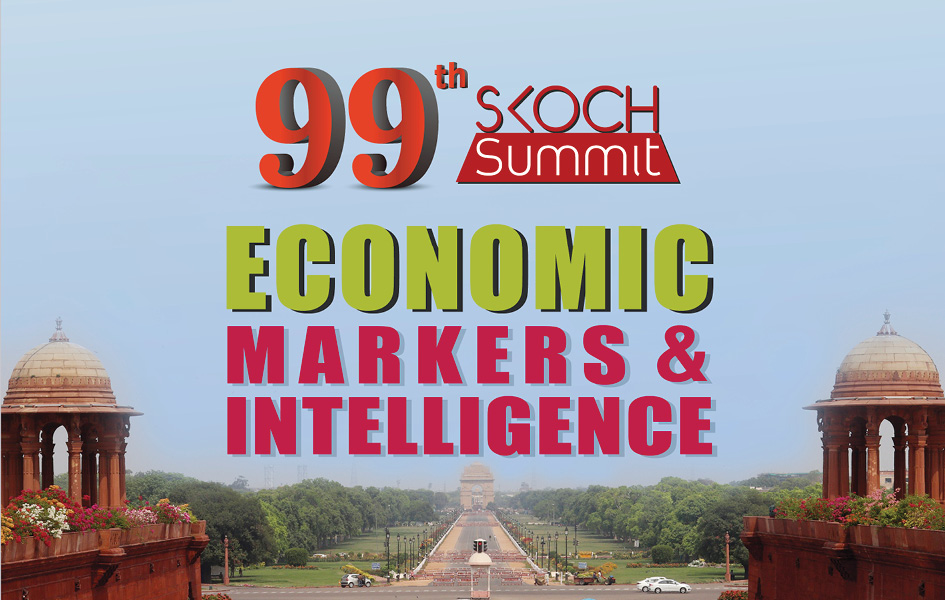
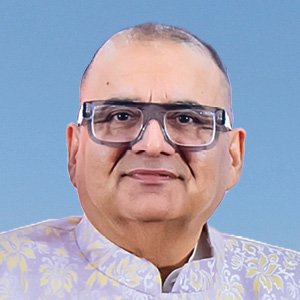
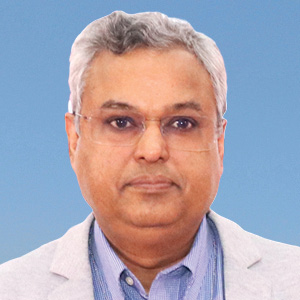
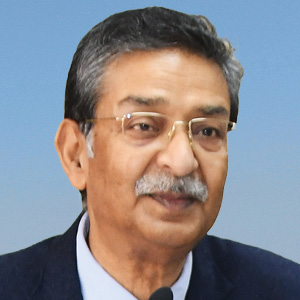





The 99th SKOCH Summit focused on emerging trends shaping India's economic intelligence and development strategy. Discussions on Digital Financial Intelligence and Money Laundering explored how digital ecosystems can be leveraged to detect and prevent illicit financial flows, calling for stronger data analytics and regulatory frameworks. The session on Harmonising Digital Transformation and ESG highlighted the need to integrate environmental, social, and governance goals into digital growth strategies to ensure sustainable development. Financial Deepening Indicators for India examined access to credit, insurance, and investment instruments, emphasizing inclusive financial participation. Lastly, the summit underscored the role of Economic Markers and Development Dashboards in real-time policy-making, calling for more granular, dynamic data to track progress and inform decisions. Together, these themes outlined a roadmap for smarter, more accountable, and inclusive economic governance in a digital age.
Know More






The 98th SKOCH Summit centred on building robust indices to guide and measure India’s journey toward Viksit Bharat (Developed India). A key focus was on developing Indices for Viksit Bharat that reflect local realities while aligning with global standards. The role of Corporate Digital Responsibility (CDR) was explored, advocating ethical digital practices by businesses. Experts discussed the Harmonisation of CDR, SDGs, ESG, CSR, Human Rights, and AI, emphasizing an integrated responsibility framework. The session on Narrative for Viksit Bharat aimed to craft a compelling vision rooted in India’s strengths. Indian Indices for Global Use highlighted the potential of indigenous frameworks influencing international policy. Topics like The Responsibility of Gaming and Digital Mental Health raised awareness of emerging societal impacts. Finally, a Responsibility Framework for Data & AI was proposed to ensure ethical and inclusive technological development, supporting India’s long-term developmental aspirations.
Know More






The 88th SKOCH Summit, themed "State of Governance" on January 20, 2023, featured focused deliberations on critical public sector innovations. The first major panel, Innovations in Safety & Security, brought together Additional Director Generals and Inspectors General of Police from Tamil Nadu, Chandigarh, Madhya Pradesh, Andhra Pradesh, and Greater Chennai to discuss cutting-edge policing and security practices. The second key panel, Innovations in Power & Energy, featured senior leaders from major state electricity transmission and distribution companies, including Telangana, Maharashtra, Gujarat, and Chhattisgarh, alongside the Chandigarh Renewable Energy Society, to discuss advancements in power sector efficiency and renewable energy. The summit served as a platform for recognizing numerous state and municipal projects that received the SKOCH Order-of-Merit.
Know More









The 81st SKOCH Summit – State of Governance highlights India’s progress in strengthening governance and development outcomes across critical sectors. The summit opens with discussions on the evolving governance landscape, followed by focused sessions on education, forest, and environmental management driving sustainable growth. Panels on energy and transport explore innovations in infrastructure, renewable resources, and digital governance shaping state performance. The event culminates with the prestigious SKOCH Award and SKOCH Order-of-Merit recognitions, celebrating exemplary initiatives and institutions contributing to inclusive, efficient, and transparent governance in India.
Know More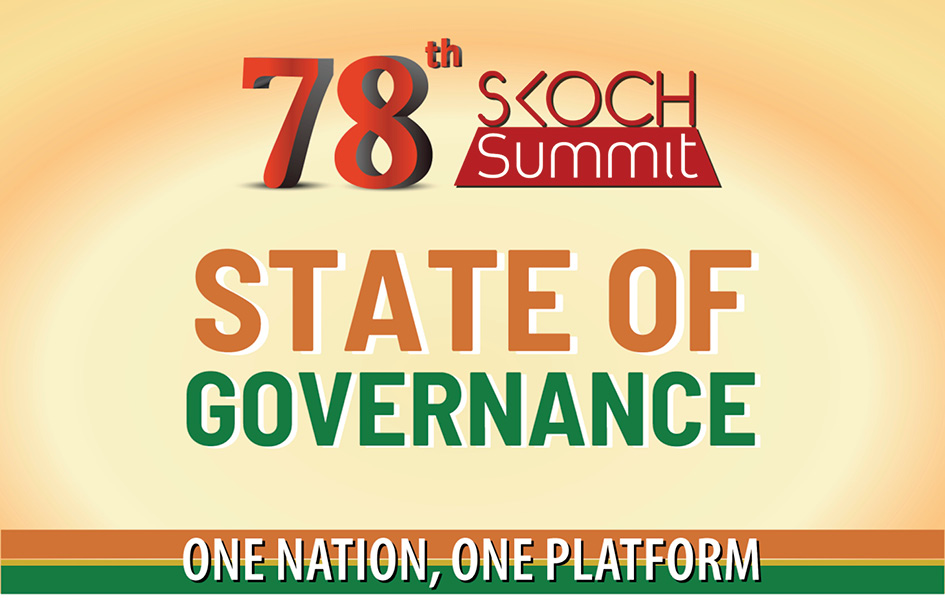




















The 78th SKOCH Summit – State of Governance brings together leaders and practitioners to assess how governance reforms are shaping development across India. The sessions review the performance of districts and states, with focused discussions on progress in energy, transport, and overall development outcomes. The summit highlights innovations, administrative improvements, and sectoral achievements that are strengthening governance at multiple levels. It culminates with the SKOCH Award and SKOCH Order-of-Merit, recognising outstanding projects and institutions driving effective, citizen-centric governance nationwide.
Know More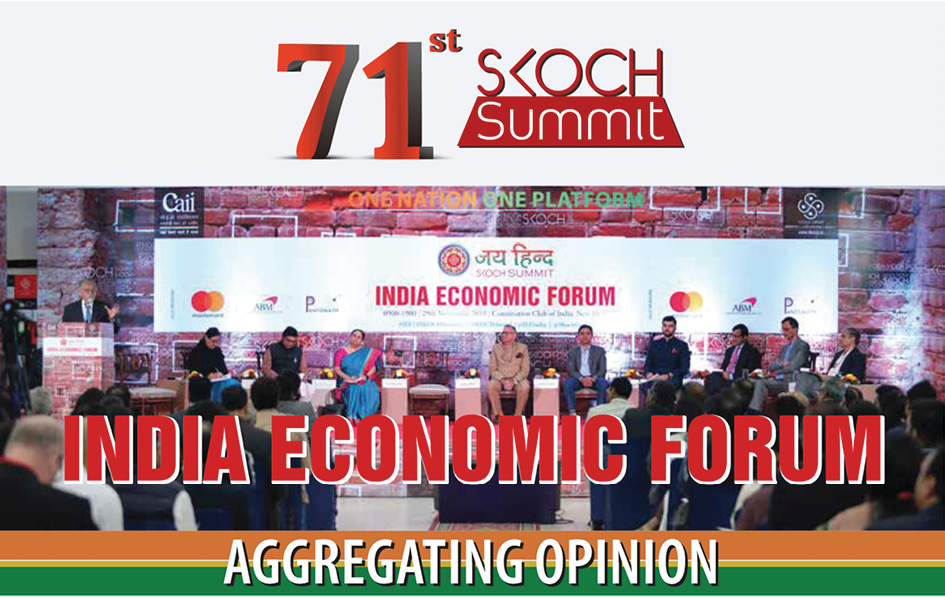



























AatmaNirbhar Bharat is a far-reaching programme not only for making India self-reliant but also to put it on a higher growth trajectory This growth we describe as AatmaNirbhar Growth has to be spatially dispersed, job generative and equitable. This then would ensure a 'V' shaped recovery post-COVID and not a 'K' shaped one that has a few stakeholders concerned. India Economic Forum would return actionable recommendations.
AatmaNirbhar Bharat is a far-reaching programme as envisioned by the Hon'ble Prime Minister and we believe that it would logically lead to AatmaNirbhar Growth.
India Economic Forum, this year focuses on this and through consultations with all relevant stakeholders provide a road map and recommendations that would chart this path. The key challenges would be increasing consumption, handling debt situation, getting more private investment as merely government spending may not suffice to generate employment, focus on finding resources to fund infrastructure development and finally doing all this while not losing sight of Environment, Sustainability and Governance.
Being organised soon 20 days after the Union Budget, the idea is to crystallise ways in which the budget can be translated into AatmaNirbhar Growth.
Last year too, the Forum had returned several recommendations. These were published as special issue of INCLUSION magazine and are also available online at: https://inclusion.in/category/inclusion/road-to-recovery/
Know More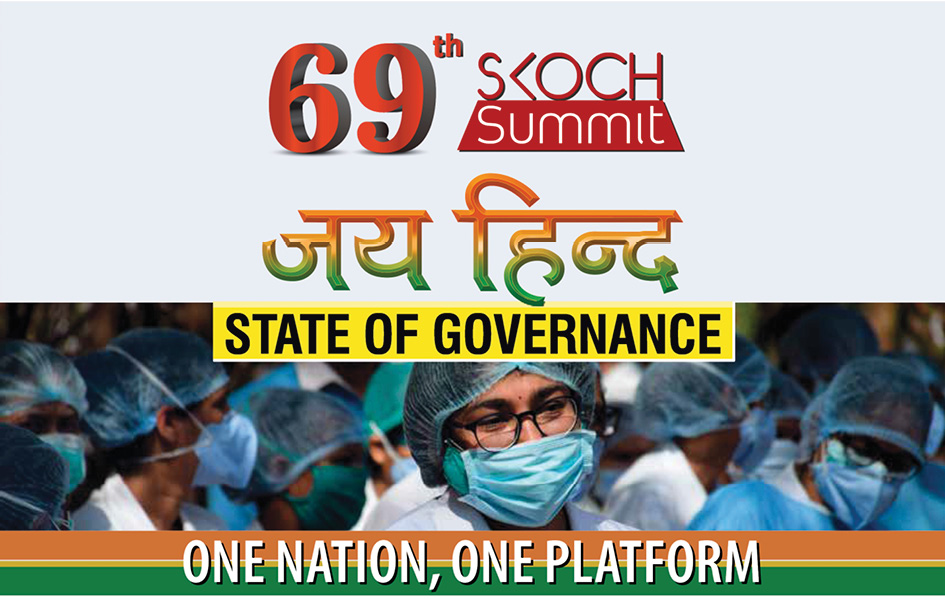




























The 69th SKOCH Summit, themed "State of Governance," served as a critical assessment of India's administrative resilience and performance, particularly in the immediate wake of the COVID-19 pandemic. Held in late 2020, the summit's primary goal was to analyze how public institutions, from the district to the national level, responded to the unprecedented health and economic crisis.
Discussions were heavily focused on the performance of local bodies, analyzing the "State of Cities" and "State of Districts." Panels examined how the pandemic had exposed the financial and infrastructural fragility of municipal governments but also highlighted their pivotal role as the frontline "face of the Sarkar" (government). Key imperatives identified included leveraging technology for transparent citizen services, breaking down departmental silos to maintain crisis-level coordination, and building sustainable public health and sanitation infrastructure, as exemplified by projects awarded for municipal solid waste remediation.
Ultimately, the 69th Summit moved beyond theoretical policy to champion the on-the-ground project-level successes that defined India's response. It reinforced SKOCH's foundational belief that true governance is measured by its impact and ability to deliver essential services to all citizens, especially in a time of profound crisis and disruption.
Know More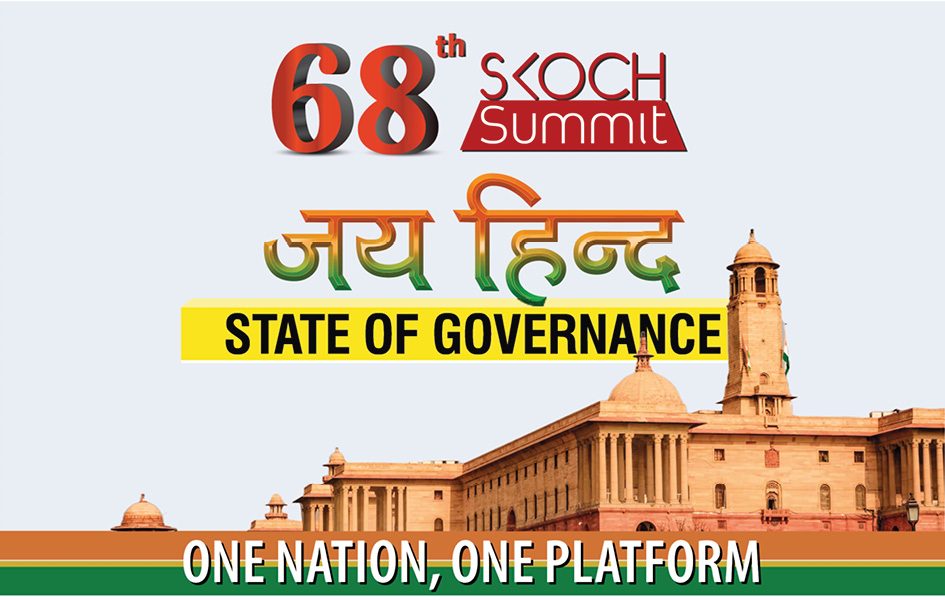



















The second part of the 68th SKOCH Summit concentrated specifically on the "State of Digital Governance," positioning digital transformation as the cornerstone for achieving efficiency, transparency, and inclusivity in public administration. The summit aimed to map the future trajectory of digital governance in India, moving beyond basic e-services to integrated, intelligent systems.
Discussions centered on building robust, scalable digital infrastructure capable of supporting complex services and withstanding disruptions. Panels explored the "Future of Digital Governance," including the responsible adoption of emerging technologies like AI, cloud computing, and advanced data analytics for predictive policymaking and enhanced citizen service delivery. Ensuring cybersecurity, data privacy, and bridging the digital divide through last-mile connectivity were key imperatives highlighted throughout the forum.
This summit underscored the SKOCH vision of a digitally empowered India, where technology acts as the primary enabler for "Minimum Government, Maximum Governance." It emphasized that a resilient, secure, and citizen-centric digital framework is not just an adjunct to governance but its fundamental future, essential for achieving inclusive growth and sustainable development.
Know More


“Jai Hind: $5 Trillion Transformation” reframed India’s growth ambition as a design problem: how to mobilize investment at scale, hard-wire productivity, and make markets and institutions pull in the same direction. The summit’s tracks — from finding investments and policy-making for a $5 trillion economy to the climate–growth nexus — argued that the next leap requires capital deepening alongside disciplined execution and regulatory clarity.
A strong current in the discourse was economic sovereignty in the digital era: India contributes brains to the world’s tech giants, but must also own innovation and value chains at home. Speakers pressed for policies that keep strategic platforms and data within Indian hands, linking this to competitiveness, jobs, and national capacity.
Equally, the summit insisted that growth quality matters as much as growth speed. Panels called for climate-aligned industrial strategy, resilient infrastructure and finance, and reforms that lower execution gaps so every rupee yields more output. The broader message: a $5 trillion milestone is a waypoint, not the destination — the aim is a durable, inclusive trajectory toward the next orders of magnitude.
Know More


“State of Power, Oil & Gas” took stock of a sector at an inflection point—where reliability, affordability, and the energy transition must be reconciled with the hard constraints of utility balance sheets and legacy infrastructure. The summit mapped the reform arc from policies and regulations to operations on the ground, examining people, processes, and technology adoption across DISCOMs and upstream/downstream value chains. Cybersecurity and grid modernisation emerged as cross-cutting imperatives rather than afterthoughts.
Discussions pressed on execution: how to stabilise DISCOM finances, reduce AT&C losses, professionalise utility governance, and scale digital tools for metering, billing, and outage management. The programme’s emphasis on “emerging policies, regulations & reforms” and “innovation & new technologies” reflected a sector being rewired in real time—where regulatory clarity and operational discipline must travel together.
Recognition at the summit underlined outcomes, not optics—spotlighting ministries and enterprises advancing measurable change, while media coverage captured the broader message: India’s power and hydrocarbon systems will anchor growth only if reform translates into reliable, tech-enabled service at the last mile. In this telling, energy policy is nation-building by other means.
Know More


“Smart Technologies, Sustainable Growth” explored how technology becomes a multiplier only when it is embedded in institutions, markets, and everyday delivery. The summit treated digital rails—identity, payments, data platforms—as public infrastructure that can compress transaction costs, expand access, and create new productivity frontiers for citizens and enterprises alike. It argued that technology is not a parallel track to development, but the wiring that makes development systemic and scalable.
Discussions connected smart with sustainable: energy and utilities modernization, insurance and financial services, and urban management were examined through the lens of tech-enabled efficiency, resilience, and responsible growth. Rather than celebrating gadgets, the focus stayed on operating models—how to institutionalize standards, interoperability, and accountability so that digital tools translate into measurable outcomes.
The core message was pragmatic and forward-looking: sustainable growth demands more than adoption; it requires governance that can absorb technology, regulate prudently, and keep citizens at the centre. By turning marquee technologies into everyday public value, the 46th SKOCH Summit advanced a playbook for compounding inclusion and competitiveness together.