SKOCH Summit
Health & Social Protection
Filter:






Marking 25 years of Prime Minister Narendra Modi in public office, ModiNomics – A Journey of Inclusive Growth offers a definitive account of his governance and economic philosophy. From Jan Dhan to Ujjwala, Swachh Bharat to Digital India, it explores how millions were brought into the mainstream of development with speed and scale.
The book examines both the vision and the outcomes—financial inclusion, welfare delivery, infrastructure, and digital empowerment—that have shaped India’s transformation. It asks the vital question: has Modi delivered on the promise of inclusive growth, and how far has India travelled on this journey?
Accessible yet analytical, this is not only a chronicle of policy innovations but also a verdict on their impact. A compelling read for policymakers, scholars, business leaders, and citizens alike, ModiNomics captures India’s story of ambition, resilience, and inclusive progress under Modi’s leadership.
Know More





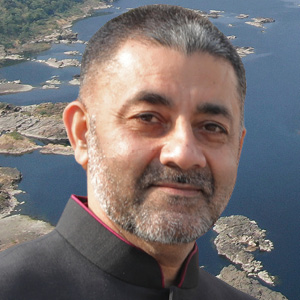

The 98th SKOCH Summit centred on building robust indices to guide and measure India’s journey toward Viksit Bharat (Developed India). A key focus was on developing Indices for Viksit Bharat that reflect local realities while aligning with global standards. The role of Corporate Digital Responsibility (CDR) was explored, advocating ethical digital practices by businesses. Experts discussed the Harmonisation of CDR, SDGs, ESG, CSR, Human Rights, and AI, emphasizing an integrated responsibility framework. The session on Narrative for Viksit Bharat aimed to craft a compelling vision rooted in India’s strengths. Indian Indices for Global Use highlighted the potential of indigenous frameworks influencing international policy. Topics like The Responsibility of Gaming and Digital Mental Health raised awareness of emerging societal impacts. Finally, a Responsibility Framework for Data & AI was proposed to ensure ethical and inclusive technological development, supporting India’s long-term developmental aspirations.
Know More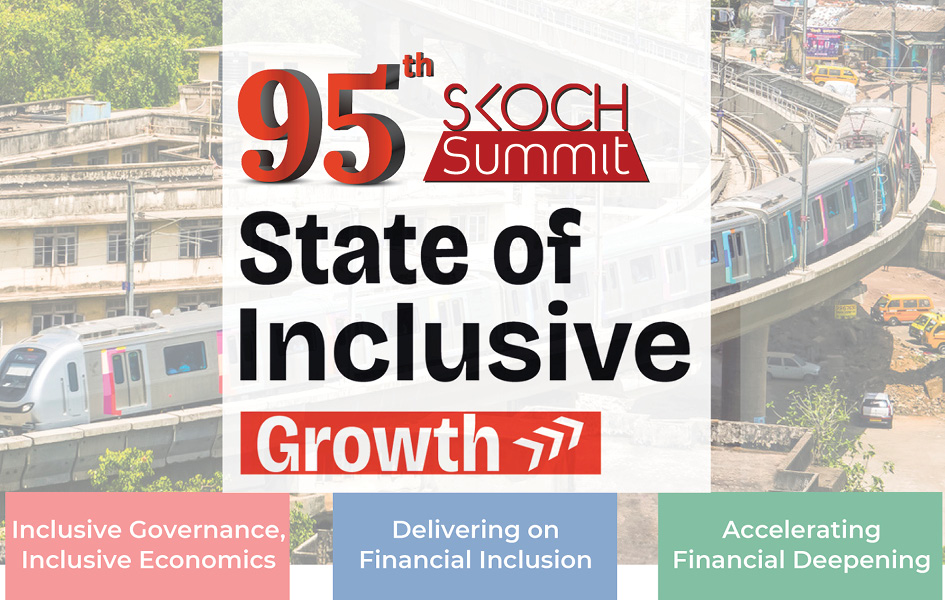






The 95th SKOCH Summit – State of Inclusive Growth examines India’s progress toward equitable, sustainable, and broad-based development under the vision of Sabka Saath, Sabka Vikas, Sabka Prayas, Sabka Vishwas. The sessions assess the evolution of inclusive governance since 2014, evaluating how reforms in welfare, infrastructure, and digital delivery have shaped outcomes for citizens. Discussions revisit the ModiNomics model to gauge its impact on jobs, equity, and social democracy while identifying areas for renewed focus. Panels explore the next frontier beyond universal financial access—ensuring credit translates into livelihoods, productivity, and poverty reduction. The summit also addresses how financial deepening, MSME support, and competitive markets can sustain growth, balance costs, and extend inclusion to every corner of India. Together, the dialogues outline a roadmap for achieving India’s vision of high-income, inclusive growth by 2047.
Know More











India Governance Forum in its twentieth year, is the oldest Governance Leadership Summit. Its recommendations have had a profound policy impact across the center and state governments. It is one of the few conferences where the focus is on field research-based knowledge-rich arguments that bring felt needs to the discussion table.
We firmly believe Governance is what is received and not what was the intended delivery. Our ongoing field research and conversations across thousands of projects in a year give us a deep insight into what is working and how it can work even better.
We bring together an ecosystem of academia, industry, economists, policy experts, practitioners, and civil society. Carefully constructed panels, well-researched background notes and clearly articulated problem statements to find relevant answers and an agenda moving forward created. Honestly, there is nothing else that comes even close.
Know More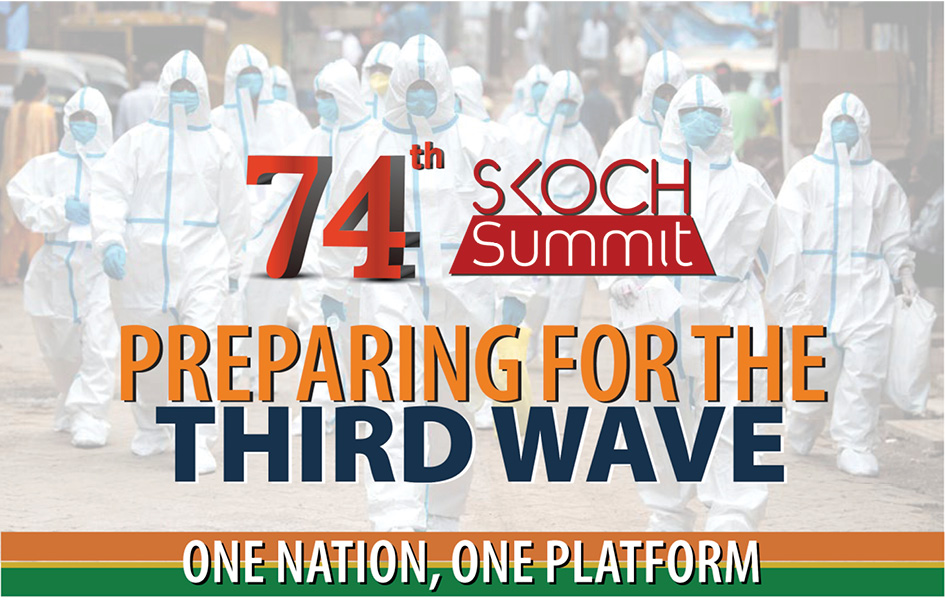


























There is no more a question mark. The third wave of coronavirus has become 'inevitable' now.
There are only questions like when a new variant of COVID-19 will hit the country and whether and how well the centre, states, metros, and districts have prepared for it.
Reuters' survey, based on an opinion poll of 40 doctors, scientists, epidemiologists, and professors across the globe, says it may hit India by October. Director, All India Institute of Medical Sciences (AIIMS), India's premier health institute, Dr Randeep Guleria says that the 'inevitable' third wave could arrive in the next six to eight weeks while Maharashtra State Task Force member Rahul Pandit fears it may arrive earlier than expected if people do not observe COVID-appropriate behaviour. The task force believes that 10 percent of the total cases in the third wave could comprise children and young adults.
SKOCH Group, one of India's leading think tanks dealing with socio-economic issues with a focus on inclusive growth since 1997, is organising a National Consultation 'Preparing for the Third Wave'. The consultation would look at the views of the centre, state, cities and districts. To be organised in three parts, the first conference on the subject would take place on 3 July.
Know More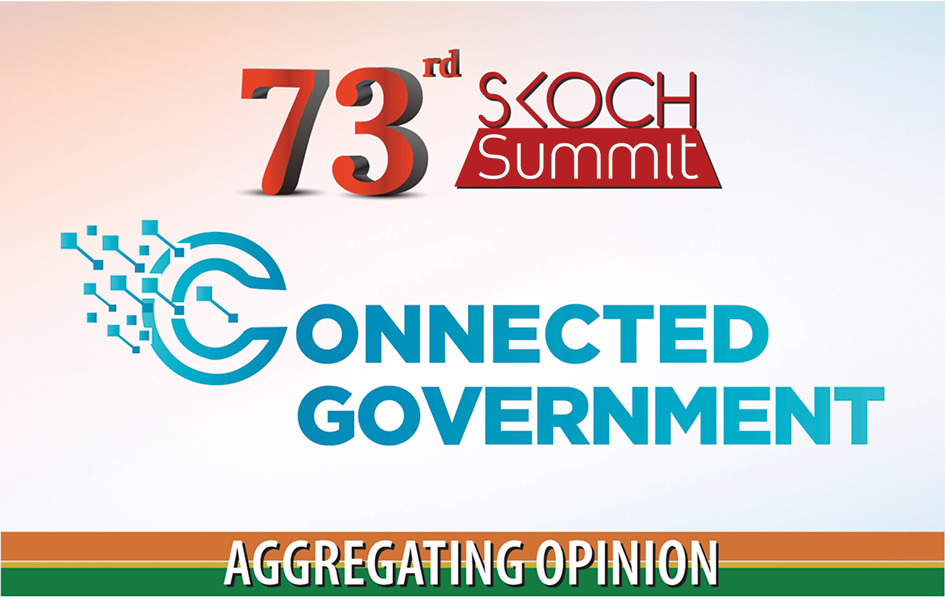



















Connected Government explored the promise and challenges of creating a truly networked public sector, in which data, systems, and services operate seamlessly across departmental and jurisdictional boundaries. The summit centered on how interoperability, citizen-centric design, and service integration can break bureaucratic silos and make governance more coherent and responsive.
It examined infrastructure such as an index for Viksit Bharat, centralized platforms, API-based ecosystems, and identity-based service delivery as tools to enable transaction-level alignment across states, cities, and social programs. With sessions on smart wearables, digital health, and cross-agency monitoring, it showed how connected design is not just about tech but about rethinking institutional flow.
The 73rd Summit affirmed SKOCH’s vision that government must move from fragmented interventions to integrated outcomes—where digital connections are not mere add-ons but the binding tissue of modern governance. It urged the system to be designed for citizens, not departments.
Know More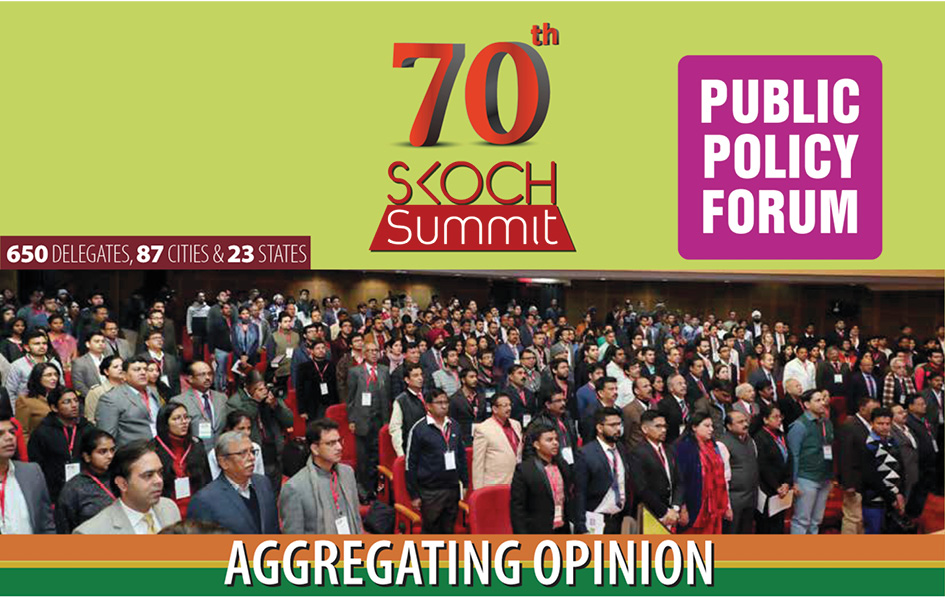






























The 70th SKOCH Summit, themed Public Policy Forum, served as a critical platform to analyze India's governing frameworks in the digital age, particularly in the context of the post-COVID world. The forum convened to address emerging policy imperatives, focusing on how to build resilient systems that ensure both national sovereignty and citizen-centric services.
A central pillar of the discussion was data governance, with panels dedicated to the Personal Data Protection (PDP) Bill and its profound implications. Policymakers and experts debated how to strike a balance between protecting a nascent digital economy, ensuring individual privacy, and enabling data-driven governance. Further sessions explored inclusive growth mechanisms, including public policy directives for tribal and marginalized communities, and the vital role of Panchayati Raj institutions in ensuring last-mile transparency and accountability.
Ultimately, the 70th Summit reinforced the SKOCH mandate of bringing "felt-needs" to the forefront of policy. It championed the idea that effective public policy is the cornerstone of participatory democracy, requiring robust frameworks for data, decentralization, and public health to make inclusive growth a reality.
Know More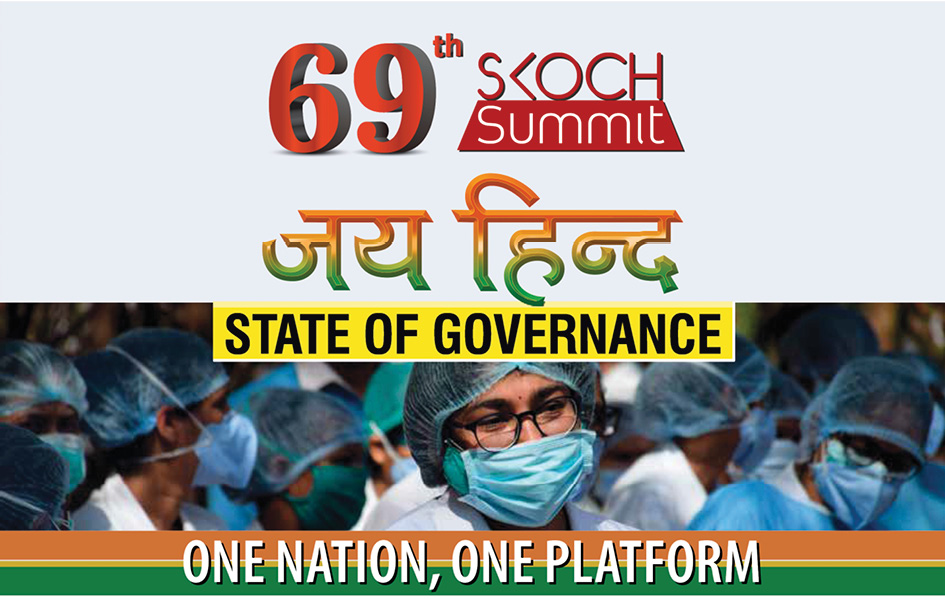

























The 69th SKOCH Summit, themed "State of Governance," served as a critical assessment of India's administrative resilience and performance, particularly in the immediate wake of the COVID-19 pandemic. Held in late 2020, the summit's primary goal was to analyze how public institutions, from the district to the national level, responded to the unprecedented health and economic crisis.
Discussions were heavily focused on the performance of local bodies, analyzing the "State of Cities" and "State of Districts." Panels examined how the pandemic had exposed the financial and infrastructural fragility of municipal governments but also highlighted their pivotal role as the frontline "face of the Sarkar" (government). Key imperatives identified included leveraging technology for transparent citizen services, breaking down departmental silos to maintain crisis-level coordination, and building sustainable public health and sanitation infrastructure, as exemplified by projects awarded for municipal solid waste remediation.
Ultimately, the 69th Summit moved beyond theoretical policy to champion the on-the-ground project-level successes that defined India's response. It reinforced SKOCH's foundational belief that true governance is measured by its impact and ability to deliver essential services to all citizens, especially in a time of profound crisis and disruption.
Know More














The second part of the 68th SKOCH Summit concentrated specifically on the "State of Digital Governance," positioning digital transformation as the cornerstone for achieving efficiency, transparency, and inclusivity in public administration. The summit aimed to map the future trajectory of digital governance in India, moving beyond basic e-services to integrated, intelligent systems.
Discussions centered on building robust, scalable digital infrastructure capable of supporting complex services and withstanding disruptions. Panels explored the "Future of Digital Governance," including the responsible adoption of emerging technologies like AI, cloud computing, and advanced data analytics for predictive policymaking and enhanced citizen service delivery. Ensuring cybersecurity, data privacy, and bridging the digital divide through last-mile connectivity were key imperatives highlighted throughout the forum.
This summit underscored the SKOCH vision of a digitally empowered India, where technology acts as the primary enabler for "Minimum Government, Maximum Governance." It emphasized that a resilient, secure, and citizen-centric digital framework is not just an adjunct to governance but its fundamental future, essential for achieving inclusive growth and sustainable development.
Know More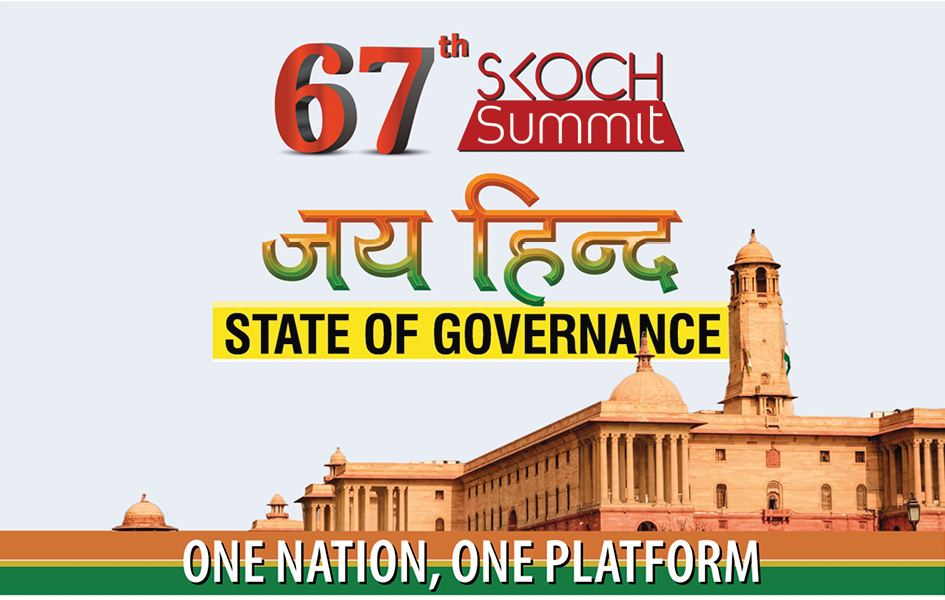






















The 67th SKOCH Summit, themed "Jai Hind: State of Governance" and held in October 2020, focused on evaluating the effectiveness and resilience of India's governance frameworks, particularly highlighting the nation's response during the challenging first year of the COVID-19 pandemic. The summit aimed to identify and celebrate impactful governance projects that demonstrated patriotism through dedicated public service delivery.
Discussions centered on assessing how various government departments and state initiatives adapted to the crisis, ensuring continuity of essential services and implementing relief measures. Key areas likely included healthcare management, digital service delivery under lockdown conditions, supply chain maintenance, and economic support mechanisms. The "Jai Hind" theme emphasized projects that showcased national spirit and commitment to citizen welfare, aligning governance outcomes with patriotic duty. The SKOCH Awards presented during the summit recognized specific projects from ministries and states that exemplified excellence and positive impact during this period.
The 67th Summit served as a crucial stock-taking exercise during the pandemic, reinforcing SKOCH's belief that robust governance, characterized by adaptability, citizen-centricity, and effective implementation even under duress, is fundamental to national strength and progress.
Know More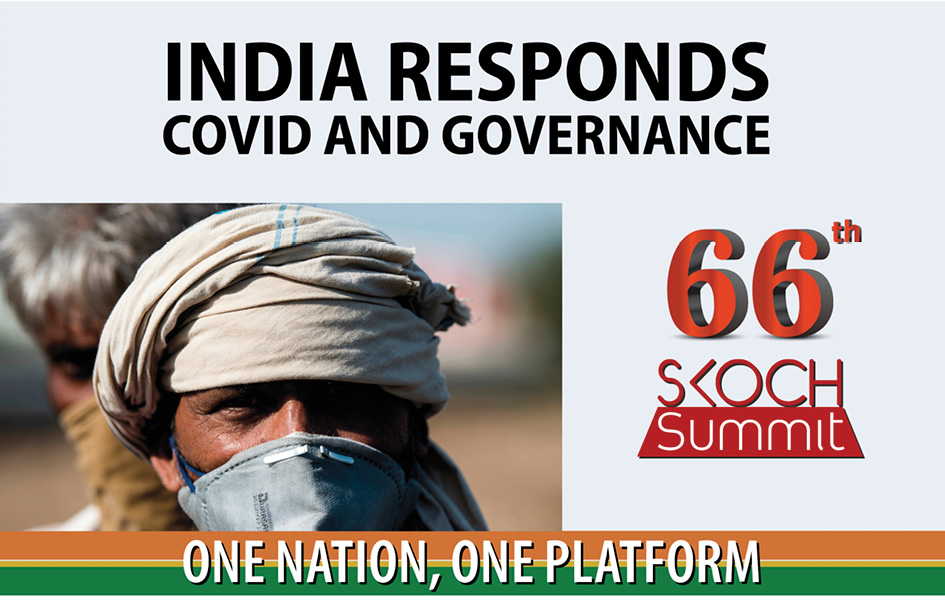







The 66th SKOCH Summit, themed "India Responds: COVID and Governance" and held in July 2020, was convened specifically to analyze and showcase India's multi-faceted response to the initial, critical phase of the COVID-19 pandemic. The summit's primary objective was to understand how governance systems at all levels—national, state, and local—adapted and performed under the unprecedented stress of the health crisis and subsequent lockdowns.
Key discussions centered on the immediate public health response, economic relief measures, use of technology for tracking and management (like contact tracing apps), ensuring supply chains for essential goods, and the role of district administrations and local bodies in frontline crisis management. The summit highlighted innovative solutions and best practices adopted by various government entities to mitigate the pandemic's impact, focusing on resilience, citizen communication, and service delivery continuity. SKOCH Awards presented during this summit specifically honored projects and initiatives demonstrating effective governance and impactful interventions directly related to the COVID-19 response.
This summit served as an early, crucial assessment of India's governance capabilities during a major crisis. It underscored the SKOCH principle of evaluating governance based on real-world outcomes and adaptability, emphasizing the importance of technology, inter-departmental coordination, and community involvement in navigating national emergencies.
Know More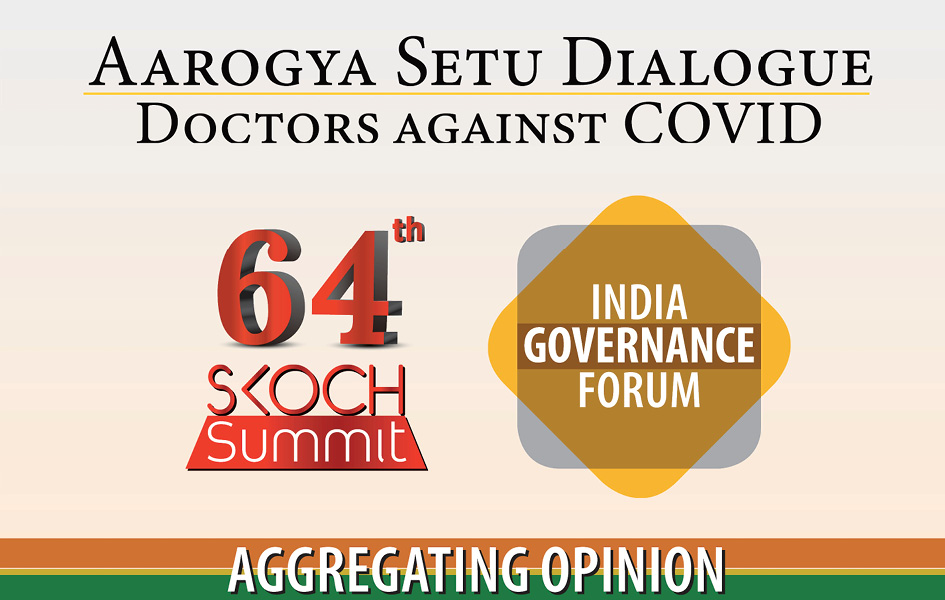









This session of the 64th SKOCH Summit, themed "India Governance Forum – Doctors Against COVID," was convened in April 2020 to specifically address the critical role of the medical community during the initial onslaught of the pandemic. The forum aimed to understand the challenges faced by healthcare professionals and highlight their frontline efforts in combating the unprecedented health crisis.
Discussions likely centered on the immediate experiences of doctors and healthcare workers, focusing on treatment protocols, availability of PPE, hospital infrastructure readiness, patient management strategies, and the mental and physical toll on medical staff. The forum provided a platform for sharing best practices, discussing emergent medical responses, and potentially formulating recommendations for policymakers regarding healthcare system support and resource allocation during the pandemic's early phase.
This forum underscored the vital human element within the governance response to COVID-19. It highlighted SKOCH's commitment to bringing practitioners' ground-level perspectives into the policy discourse, recognizing the indispensable contribution of healthcare professionals in the national fight against the pandemic.
Know More










This specific dialogue within the 64th SKOCH Summit, held in April 2020, focused intensely on the newly launched Aarogya Setu mobile application. The primary goal was to facilitate a multi-stakeholder discussion on the app's potential, functionalities, and the significant privacy and data security concerns surrounding its deployment as a key tool in India's COVID-19 response.
The dialogue brought together government officials (likely from NITI Aayog and MeitY), legal experts, technology policy advocates, and privacy researchers. Key discussion points included the app's effectiveness in contact tracing, its technological architecture, data collection and storage protocols, the legal framework underpinning its use (or lack thereof initially), potential for surveillance, and the balance between public health objectives and individual privacy rights. Concerns about data security vulnerabilities and the app's mandatory usage in certain contexts were likely debated extensively.
This dialogue represented a critical early public examination of a major technological intervention in the pandemic response. It highlighted SKOCH's role in convening difficult but necessary conversations on the intersection of technology, governance, public health, and civil liberties, aiming to foster transparency and accountability in the deployment of digital tools.
Know More


“The Inclusion Manifesto” reframed inclusion as a hard-edged governance and data problem—less about slogans and more about who is left out, why, and how to fix it. The summit advanced a practical doctrine: deliver physical and social infrastructure first; build reliable, granular data about the poor; and align programmes to measurable outcomes rather than intent. It argued that India’s predominantly informal economy complicates traditional measurement of jobs and welfare, demanding better instruments for identifying need and tracking impact.
A centrepiece was the release of the SKOCH State of Inclusion Report 2019, which connected evidence from the field to policy choices on financial access, social protection, and last-mile delivery. Discussions pressed for decentralised beneficiary identification (SECC-like approaches) over top-down surveys, so subsidies and services reach the right households with fewer leakages. The message was clear: inclusion must be engineered through data fidelity, local accountability, and infrastructure that expands real capabilities.
Beyond debate, the summit recognized on-ground exemplars through the SKOCH Order-of-Merit/Awards, underscoring that credible inclusion is verified in execution—not announcements. By tying research, reform, and recognition together, “The Inclusion Manifesto” set a high bar: make inclusion the operating system of governance, where programs are designed, targeted, and audited to deliver dignity and opportunity at scale.
Know More


State of Inclusion asked a simple, consequential question: who is still outside India’s growth story—and why? The summit reframed inclusion as a design problem for policy and delivery, pushing beyond intent to examine whether public programmes, financial systems, and local institutions are actually reaching the last mile. It set out a pragmatic inclusion agenda grounded in evidence, field learning, and outcomes, convening policy thinkers, administrators, bankers, and civil society to align on what works and what must change.
Deliberations cut across financial access, social protection, and capability-building, spotlighting models that translate entitlement into usable service—timely credit for small producers, skilling that leads to employability, and local governance that closes leakages. Recognition at the summit reinforced this ethos, highlighting initiatives that demonstrably improved lives rather than merely expanding paperwork—an insistence that inclusion be measured by delivery, not declarations.
In spirit and practice, the summit argued that inclusion is the operating system of good governance. It called for course-corrections in both policy and implementation, better data about the excluded, and accountability loops that keep citizen outcomes at the centre. By doing so, State of Inclusion positioned inclusion not as an afterthought to growth, but as the engine that makes growth resilient, equitable, and real.
Know More


“ModiNomics - One Generation Change” framed reform as a promise measurable in a single lifetime: defeat poverty, formalise the economy, and compound opportunity through institutions that work. The summit connected the big levers—demonetisation and a less-cash economy, digital banking & insurance, universal health assurance, learning revolution, MSME reboot, and urban governance reform—into one productivity narrative: policy must travel through technology and institutions to become prosperity.
Rather than treating sectors in silos, the programme argued for a whole-of-economy design. Financial rails and digital identity needed to meet welfare delivery; land, labour and credit reforms had to unlock job-generative, sustainable growth; and city planning and implementation had to translate ambition into everyday services. The emphasis was on execution architectures—the pipes, standards, and accountability loops that turn intent into outcomes.
In spirit, the summit served as a blueprint and a benchmark: if reforms are to deliver within a generation, they must be coherent, citizen-centred, and evidence-audited. By weaving macro vision with delivery detail—from universal basic income debates to food security and sustainable agriculture—ModiNomics was presented not as a slogan, but as a systems agenda for inclusive, durable change.
Know More