SKOCH Summit
Law, Justice & Security
Filter:
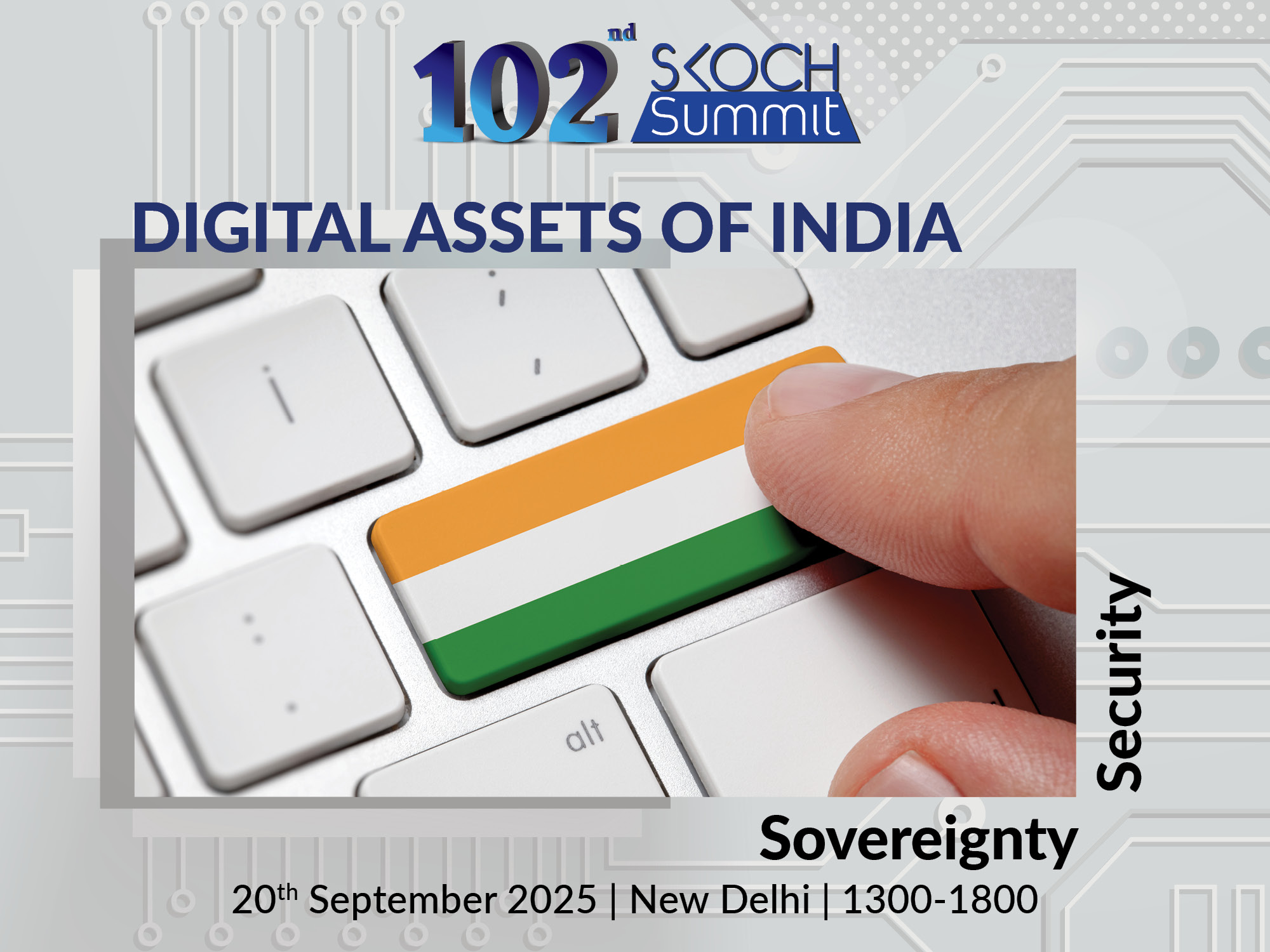




“Digital Assets of India: Sovereignty and Security” will explore the critical questions surrounding India’s digital future. As the nation rapidly digitises, safeguarding data, infrastructure, and digital resources becomes central to both national security and economic resilience. This conference provides a timely platform to discuss how India can strengthen sovereignty in the digital domain while fostering innovation and trust.
The deliberations will highlight the opportunities and challenges of managing digital assets in an interconnected world—ranging from cybersecurity and quantum technologies to capacity building and policy frameworks. With participation from senior policymakers, technology leaders, and development institutions across the country, the summit aims to generate actionable insights for securing India’s digital landscape.
By examining the intersection of technology, governance, and national interest, the dialogue will contribute to shaping strategies for a robust, secure, and inclusive digital ecosystem as India moves towards 2047.
Know More







The 100th SKOCH Summit focused on overhauling India’s regulatory and legal frameworks to drive inclusive and sustained economic growth. The session "An Agenda for Reforms" addressed the burden of excessive compliance, outdated colonial-era laws, and the need for structural regulatory change. Experts emphasized eliminating litigation-prone provisions, reducing compliance costs, and creating a more predictable, business-friendly environment. Successful state-level reforms from Haryana, Tamil Nadu, and others were showcased as models.
The session on "Sizing & Regulating the Digital Economy" examined how to accurately measure India's rapidly expanding digital landscape and design adaptive regulations. It highlighted the limitations of traditional global indices and the importance of inclusion, innovation, and federal cooperation. The GST Council model was cited as a promising co-regulatory framework. Balancing data protection with entrepreneurial freedom, avoiding one-size-fits-all regulation, and ensuring digital equity were key takeaways. The summit called for pre-screening mechanisms and inclusive policymaking to build a resilient legal and economic architecture for a Viksit Bharat.
Know More





The next phase of the 100th SKOCH Summit focuses on how inclusive growth influences government efficiency and digital economy regulation. Enhancing government efficiency can free up fiscal and operational resources, reducing waste and lowering tax burdens while supporting social initiatives. Regulatory frameworks need to evolve to understand the diverse nature of digital services—such as gaming—and apply differentiated tax treatments based on societal impact. Expanding the GST net to include more services like registrations and energy can increase revenue without raising rates, helping fund digital and social infrastructure. These discussions set the stage for the summit’s grand finale on Law and Economy, which will address the legal frameworks required to implement these policy reforms. The goal is to align legal systems with India's inclusive and sustainable growth objectives. Insights from this phase are crucial for shaping forward-looking governance and economic policies.
Know More









Over the past two decades, the SKOCH Summits have been more than just gatherings—they have been milestones in India’s journey toward inclusive growth, economic empowerment, and social transformation.
Now, as we reach our 100th milestone, we reflect on the transformative changes shaped by the voices of millions and look toward the future with renewed hope.
From Financial Inclusion to AI-driven Innovation, from Humanistic Governance to addressing the Cobra Effect of Tax Interpretations, the 100th is not just a meeting of minds—it is a roadmap for the India we are building together.
Whether amplifying the Voice of the Global South, creating Ease of Self-Employment or ensuring Climate Action without Hidden Agendas, this is the moment to unite for a stronger, more inclusive future.
Join us from 30th November 2024 to 25th March 2025 as we bring together lessons from the past 99 SKOCH Summits and set the stage for an India where innovation, justice, and equitable opportunity go hand in hand for all.
Know More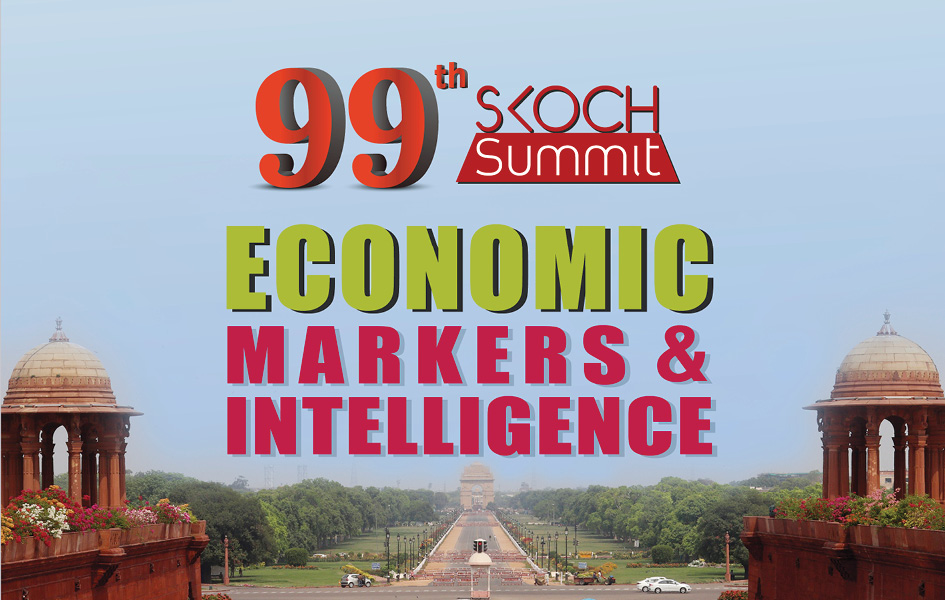





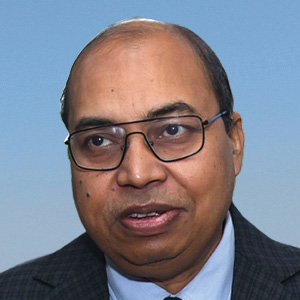
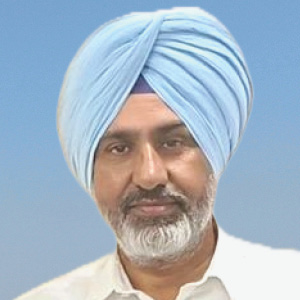
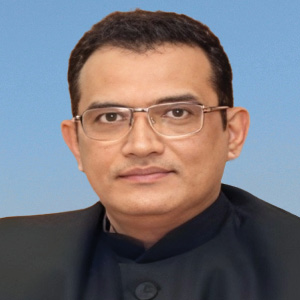
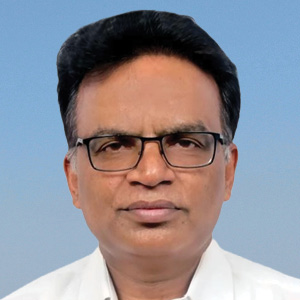


The 99th SKOCH Summit focused on emerging trends shaping India's economic intelligence and development strategy. Discussions on Digital Financial Intelligence and Money Laundering explored how digital ecosystems can be leveraged to detect and prevent illicit financial flows, calling for stronger data analytics and regulatory frameworks. The session on Harmonising Digital Transformation and ESG highlighted the need to integrate environmental, social, and governance goals into digital growth strategies to ensure sustainable development. Financial Deepening Indicators for India examined access to credit, insurance, and investment instruments, emphasizing inclusive financial participation. Lastly, the summit underscored the role of Economic Markers and Development Dashboards in real-time policy-making, calling for more granular, dynamic data to track progress and inform decisions. Together, these themes outlined a roadmap for smarter, more accountable, and inclusive economic governance in a digital age.
Know More



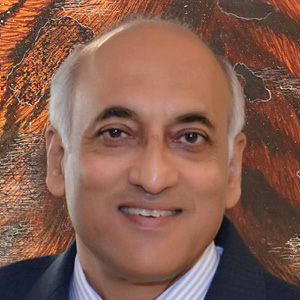


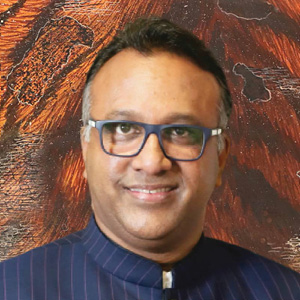
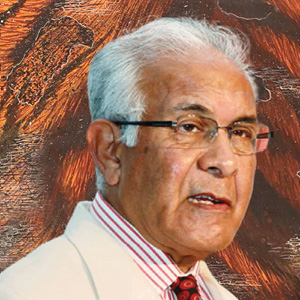
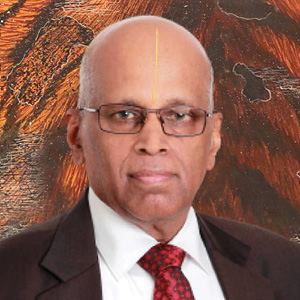

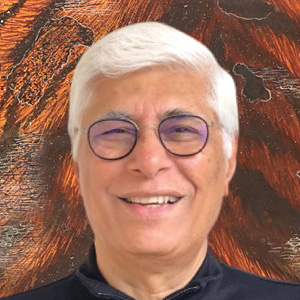


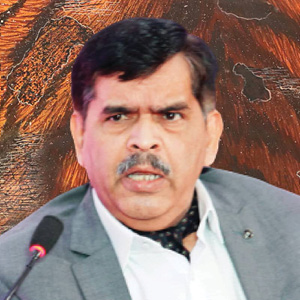

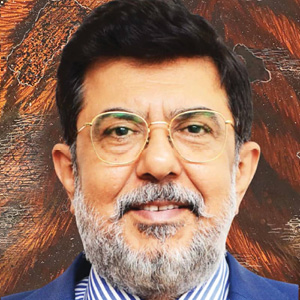


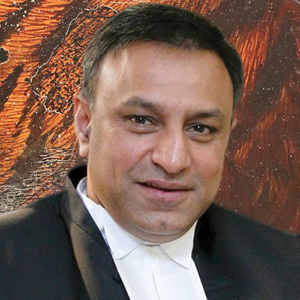

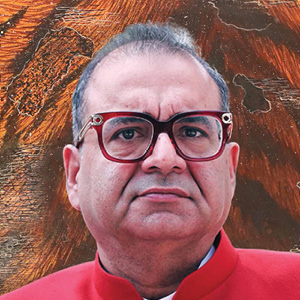
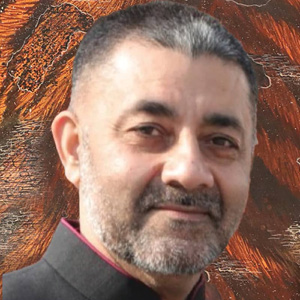

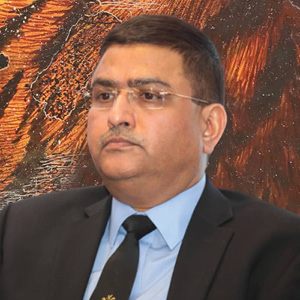
India’s brightest legal luminaries, practitioners and experts from the field of Justice, Law and Policy are coming together to adorn the 2nd edition of SKOCH India Law Forum on 26th August 2023 at New Delhi. SKOCH India Law Forum is the only platform that deliberates and returns actionable recommendations on the burning issues of its times.
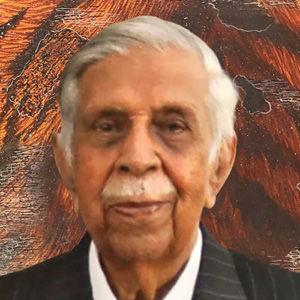
The Forum features India Law Awards independently instituted by SKOCH Group. This year SKOCH India Law Forum Lifetime Achievement Award is conferred on Justice Chittatosh Mookerjee, Former Chief Justice, Calcutta High Court. Additionally, eminent Judges and Lawyers are conferred SKOCH Award for Service to Justice and Service to Law respectively.
Justice M N Venkatachaliah, Former Chief Justice of India received the SKOCH Lifetime Achievement Award, 2022. A festschrift in his honour edited by Bibek Debroy and Sameer Kochhar entitled At the Intersection of Law & Life: Essays in Honour of Justice M N Venkatachaliah will be unveiled during SKOCH India law Forum.
A discussion on the book will follow the release.
Know More







The 88th SKOCH Summit, themed "State of Governance" on January 20, 2023, featured focused deliberations on critical public sector innovations. The first major panel, Innovations in Safety & Security, brought together Additional Director Generals and Inspectors General of Police from Tamil Nadu, Chandigarh, Madhya Pradesh, Andhra Pradesh, and Greater Chennai to discuss cutting-edge policing and security practices. The second key panel, Innovations in Power & Energy, featured senior leaders from major state electricity transmission and distribution companies, including Telangana, Maharashtra, Gujarat, and Chhattisgarh, alongside the Chandigarh Renewable Energy Society, to discuss advancements in power sector efficiency and renewable energy. The summit served as a platform for recognizing numerous state and municipal projects that received the SKOCH Order-of-Merit.
Know More







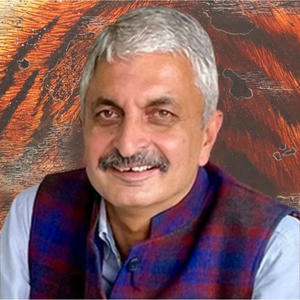




India Governance Forum in its twentieth year, is the oldest Governance Leadership Summit. Its recommendations have had a profound policy impact across the center and state governments. It is one of the few conferences where the focus is on field research-based knowledge-rich arguments that bring felt needs to the discussion table.
We firmly believe Governance is what is received and not what was the intended delivery. Our ongoing field research and conversations across thousands of projects in a year give us a deep insight into what is working and how it can work even better.
We bring together an ecosystem of academia, industry, economists, policy experts, practitioners, and civil society. Carefully constructed panels, well-researched background notes and clearly articulated problem statements to find relevant answers and an agenda moving forward created. Honestly, there is nothing else that comes even close.
Know More




















India Governance Forum in its twentieth year, is the oldest Governance Leadership Summit. Its recommendations have had a profound policy impact across the center and state governments. It is one of the few conferences where the focus is on field research-based knowledge-rich arguments that bring felt needs to the discussion table.
We firmly believe Governance is what is received and not what was the intended delivery. Our ongoing field research and conversations across thousands of projects in a year give us a deep insight into what is working and how it can work even better.
We bring together an ecosystem of academia, industry, economists, policy experts, practitioners, and civil society. Carefully constructed panels, well-researched background notes and clearly articulated problem statements to find relevant answers and an agenda moving forward created. Honestly, there is nothing else that comes even close.
Know More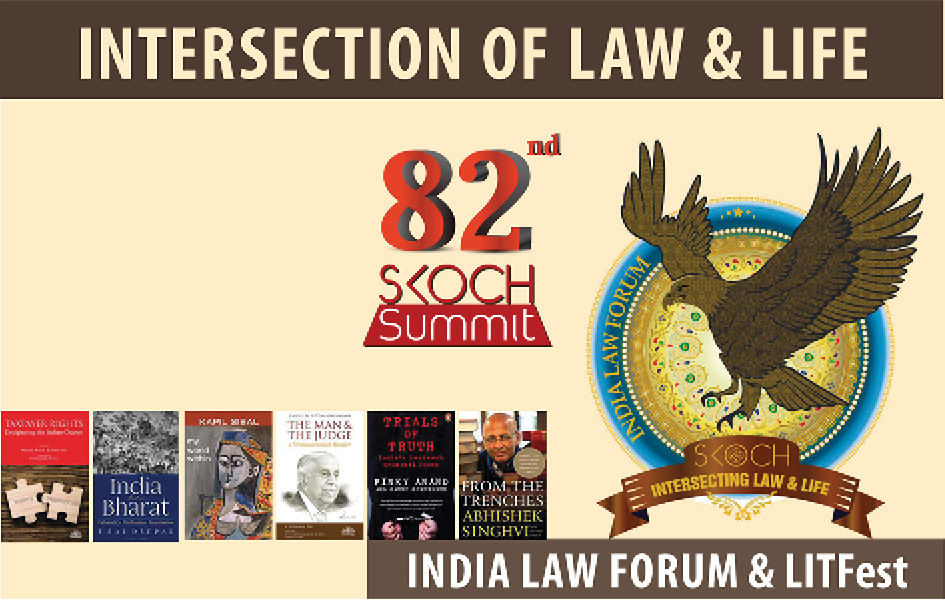

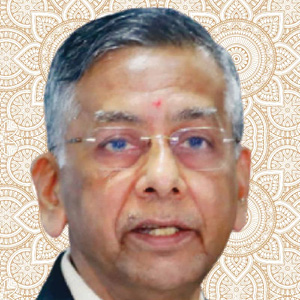
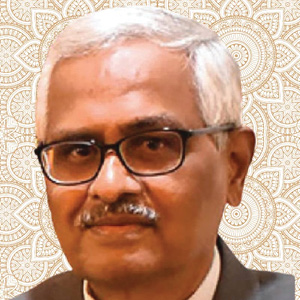

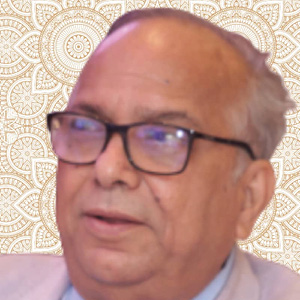
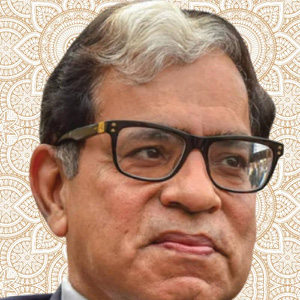
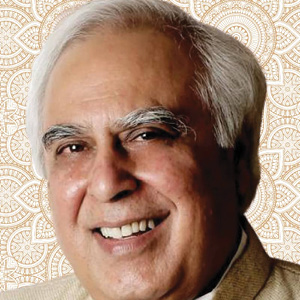

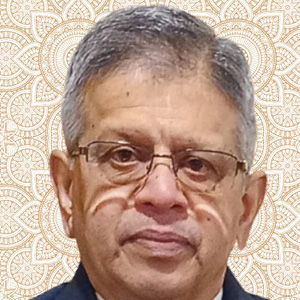

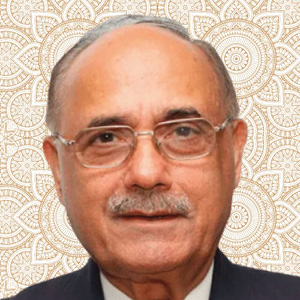

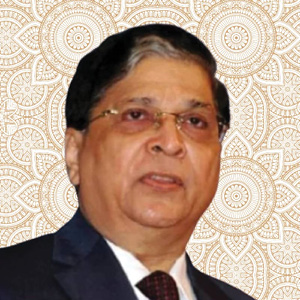
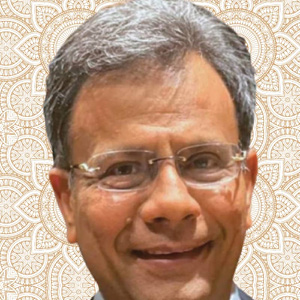
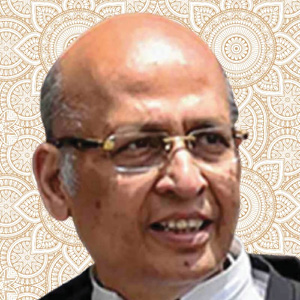
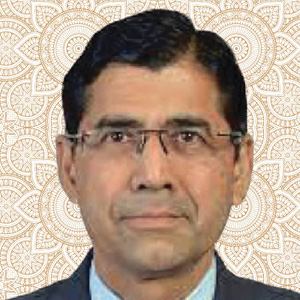
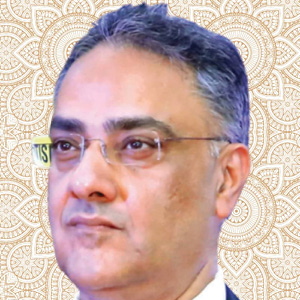
SKOCH India Law Forum (ILF) is an independent platform for change-makers, committed to bringing about a transformative change to the nation through law and legal reform. For 2022, ILF seeks to bring together India’s leading legal luminaries, the government, the judiciary, practitioners of law and the legal fraternity, at the intersection of law and life. While most law forums, which are rare in India, focus on legal practice or legislation, ILF 22 will focus on the impact of law and legislation on businesses and individuals. This is an attempt to understand the impact of law on real life and the aim is to improve the outcomes through dialogue, debate and deliberations.
The forum will look to make recommendations that can increase access to justice and improve the rule of law through proper enforcement. We will look to instigate a positive transformation in India through legal reform by having enriching discussions and debates with actionable outcomes. If India is to become a developed country by 2047, what kind of a judicial system will take us there? What kind of changes will be needed in the current legal and legislative systems to ensure proper enforcement that will actually benefit the citizens.
India Law Forum 2022 is being organized with the understanding that law is fundamental to shaping the India of tomorrow and improving access to justice for everyone. ILF will be the bridge between law (government, lawyers & courts) and life (corporate and individuals) that will be needed to achieve uniform growth across different regions, sectors and industries.
India Law Forum 2022 is being organized with the understanding that law is fundamental to shaping the India of tomorrow and improving access to justice for everyone. ILF will be the bridge between law (government, lawyers & courts) and life (corporate and individuals) that will be needed to achieve uniform growth across different regions, sectors and industries.
Know More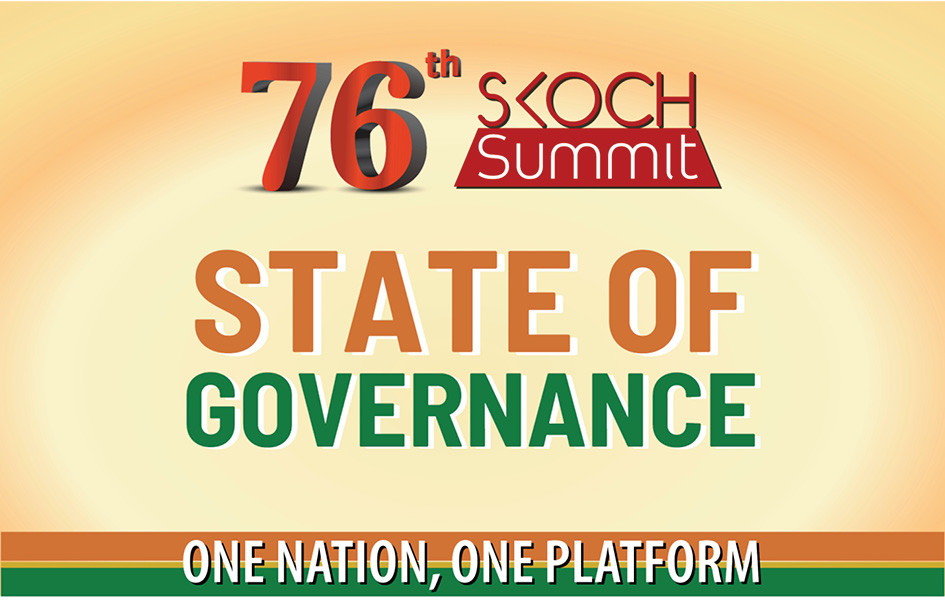















The 76th SKOCH Summit – State of Governance brings together leaders and practitioners to assess how governance reforms are shaping development across India. The sessions review the performance of districts and states, with focused discussions on progress in energy, transport, and overall development outcomes. The summit highlights innovations, administrative improvements, and sectoral achievements that are strengthening governance at multiple levels. It culminates with the SKOCH Award and SKOCH Order-of-Merit, recognising outstanding projects and institutions driving effective, citizen-centric governance nationwide.
Know More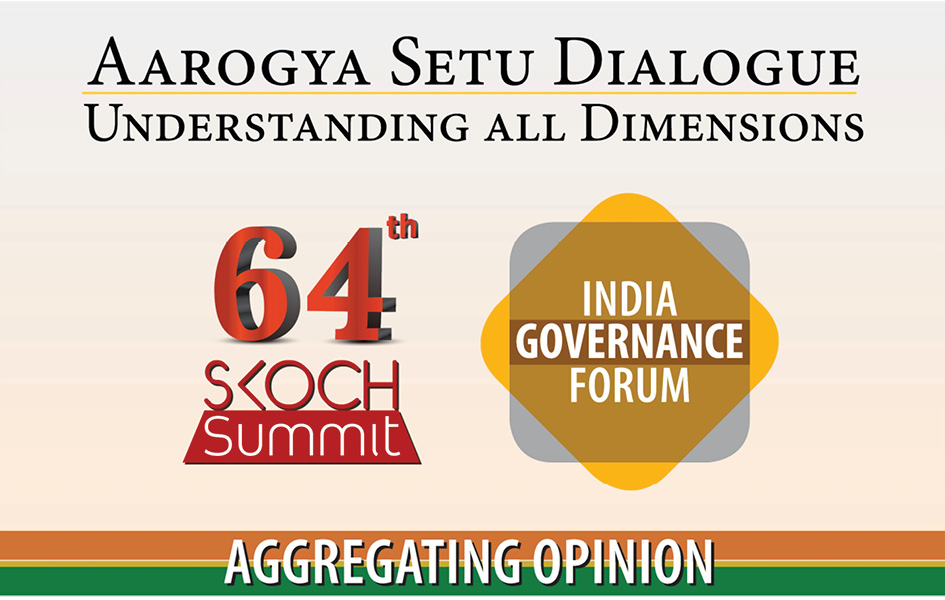












This specific dialogue within the 64th SKOCH Summit, held in April 2020, focused intensely on the newly launched Aarogya Setu mobile application. The primary goal was to facilitate a multi-stakeholder discussion on the app's potential, functionalities, and the significant privacy and data security concerns surrounding its deployment as a key tool in India's COVID-19 response.
The dialogue brought together government officials (likely from NITI Aayog and MeitY), legal experts, technology policy advocates, and privacy researchers. Key discussion points included the app's effectiveness in contact tracing, its technological architecture, data collection and storage protocols, the legal framework underpinning its use (or lack thereof initially), potential for surveillance, and the balance between public health objectives and individual privacy rights. Concerns about data security vulnerabilities and the app's mandatory usage in certain contexts were likely debated extensively.
This dialogue represented a critical early public examination of a major technological intervention in the pandemic response. It highlighted SKOCH's role in convening difficult but necessary conversations on the intersection of technology, governance, public health, and civil liberties, aiming to foster transparency and accountability in the deployment of digital tools.
Know More


“Practising Cyber Patriotism” argued that national security, economic ambition, and citizen rights now meet on the digital frontier. Framed through a “India First” lens, the summit pressed for a coherent doctrine that marries data sovereignty, platform independence, and critical-infrastructure protection with innovation and private-sector partnership.
The program moved from principle to practice: “Whose Data Is It Anyway?” interrogated ownership and fiduciary responsibility; “National Cyber Security Strategy” examined institutional readiness; and the Cyber Patriot Convention showcased technical work, while SKOCH School tracks on Blockchain for Governance and AI for Governance connected emerging tech to real public-sector use cases. Together, these threads located cyber policy in everyday governance—health, education, finance, and service delivery—not just in defence postures.
A pivotal message came from the National Cyber Security Coordinator, who linked an upcoming National Cyber Security Strategy to India’s economic goals, emphasizing inter-ministerial coordination, critical-infrastructure protection, and public–private collaboration as non-negotiables. In essence, the summit recast “patriotism” as a modern discipline: securing data, networks, and digital public goods so India can innovate confidently and grow securely.
Know More


“Jai Hind: Practising Patriotism” reframed patriotism as a daily discipline of nation-building — measured not by slogans but by actionable choices in policy, markets, and public life. The summit asked how citizens, businesses, and institutions can turn love of country into better governance, ethical enterprise, and evidence-led reform. It treated patriotism as a civic operating system: reduce leakages, respect the rule of law, secure the digital commons, and make every intervention count for inclusion and productivity.
Keynotes and panels explored what “actionable patriotism” means across domains: defending constitutional values in an era of polarisation, marrying growth with fairness, and insisting on outcomes over intentions in public programs. Voices from journalism, scholarship, and policy challenged attendees to replace performative pride with accountable practice — from transparent procurement to citizen-first service delivery.
The result was a grounded manifesto: patriotism is verified in the quality of our systems — the schools we build, the laws we uphold, the data we protect, and the dignity we extend. By shifting the focus from rhetoric to measurable impact, the 57th SKOCH Summit positioned patriotism as the everyday craft of making India work better for all.
Know More


State of Governance (52nd) put the spotlight on whether promises made at the Centre and in the states were translating into outcomes that citizens could actually feel. The programme interrogated big, contested questions—data privacy and its democratic implications, evidence versus rhetoric in governance, and how to benchmark delivery across departments and jurisdictions—framing governance as a lived experience rather than a policy brochure.
The summit’s field-driven approach connected research to recognition: best-performing institutions and projects were showcased and awarded, reinforcing SKOCH’s “outcomes over optics” ethic. Coverage around the summit captured how on-ground initiatives—from state planning departments to district programmes—were evaluated for real impact, not intent.
A wider narrative thread linked these spotlights to SKOCH’s annual State of Governance analytics: leadership quality, institutional capacity, and steady reform compound into better citizen services. In that telling, the 52nd edition was less a conference and more a report card—using evidence, rankings, and debate to nudge Indian governance toward transparency, accountability, and measurable results.
Know More