SKOCH Summit




Agenda
0900 - 1100
Inaugural Session
The session highlighted how governance reforms are becoming more effective when driven by technology, process simplification, and reduced physical interface between citizens and government. Dr Gursharan Dhanjal set the context by noting India’s recovery from the pandemic, growth in digital adoption, and the importance of better governance for inclusive development. Dr. Godallah Kiran Kumar presented SBSTC’s Vision 2025, focused on expanding transport access to remote and tribal areas, modernizing depots, increasing CNG and electric buses, and improving service delivery through ITMS. Mr. Nitin Ramesh Gokarn explained how Uttar Pradesh PWD transformed tender evaluation through a fully digital, objective system that reduced subjectivity, increased competition, and generated major savings for the government. He also emphasized that strong internal ownership and transparent grievance redressal were key to making the reform sustainable. Mr. Saurabh Jain discussed the achievements of Swachh Bharat Mission Urban, including progress in toilets, waste processing, door-to-door collection, and citizen participation. He underlined that behavior change, competitive benchmarking, digital tools, and large-scale capacity building helped make sanitation a people-led movement. A common theme across all three presentations was that removing subjectivity and making systems process-driven improves transparency, efficiency, and public trust.
Welcome: Dr Gursharan Dhanjal, Managing Director & Editor, SKOCH Group
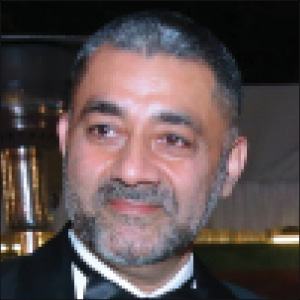
Opening Remarks: Dr Gursharan Dhanjal, Managing Director & Editor, SKOCH Group
Mr Nitin Ramesh Gokarn, Principal Secretary, Public Works Department, Government of Uttar Pradesh
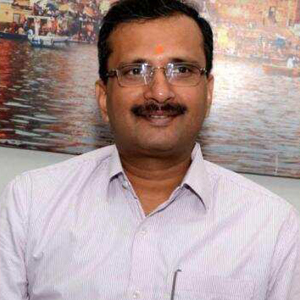
Dr Godala Kiran Kumar, Managing Director, South Bengal State Transport Corporation
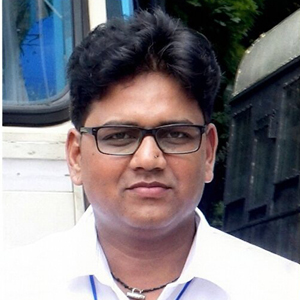
Mr Saurabh Jain, Resident Commissioner Kerala House, New Delhi
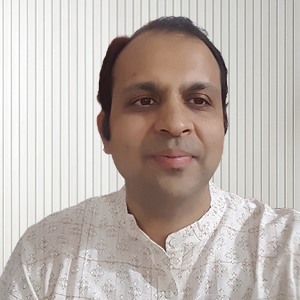
Dr Gursharan Dhanjal
Managing Director & Editor, SKOCH Group
Dr Gursharan Dhanjal, MA, M.Phil, PhD from Delhi University, an expert in development economics. He is Vice Chairman, SKOCH Group. He is also Editor of INCLUSION—a quarterly publication that focuses on inclusive growth related areas. He has led various research projects, impact assessments and field studies in MSMEs, women empowerment, entitlements, rights, sanitation, social inclusion, health, financial inclusion, e-governance and ICT for development that included traversing across the country, collecting citizen voices for over two decades now. A prolific writer, Dr Dhanjal has contributed over 200 columns in leading national dailies including The Hindustan Times, The Times of India, The Financial Express and The Pioneer. He has published research papers in several journals of repute in addition to authoring following widely acclaimed books: Tarapur: The Politics of Nuclear Age; and, Infrastructure and Governance. He was member of the Working Group on ICT in Higher Education constituted by Planning Commission for the 12th Five Year Plan.
Mr Nitin Ramesh Gokarn
Principal Secretary, Public Works Department, Government of Uttar Pradesh
Dr Godala Kiran Kumar
Managing Director, South Bengal State Transport Corporation
Mr Saurabh Jain
Resident Commissioner Kerala House, New Delhi
1100 - 1330
State of Districts
It’s been a tough haul for the districts to struggle with the second wave of COVID19 and thereafter to prepare for the third wave. Being the face of the governance, is interfaces directly with the citizen. The focus has now shifted to enhanced and improved delivery of services and adoption of digital technologies to provide an integrated view of the government to the citizen. It helps to respond quickly because of a single use interface and empowers the citizen. It also means improved governance with focused targeting and delivery of services or entitlements with no or minimum leakages. The Panel discusses the following:
- What needs to be done to improve this integration?
- What are the impediments?
- Given the current challenges, how to leverage data and see its functionality across all applications, services and departments?
Moderator: Dr Shefali Dash, Distinguished Fellow, SKOCH Development Foundation and Former DG, NIC
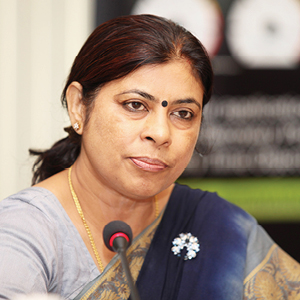
Mr Anoop Khinchi, Secretary, Fisheries & Aquatic Resources, Government of Nagaland
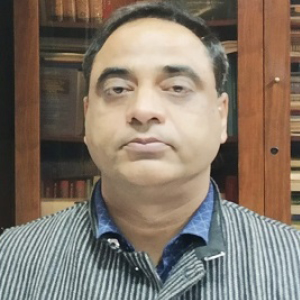
Dr Senthil Raj, District Collector, District Administration Thoothukudi
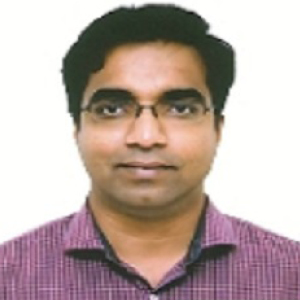
Mr Biswajit Pegu, District Magistrate, Kamrup Metropolitan District
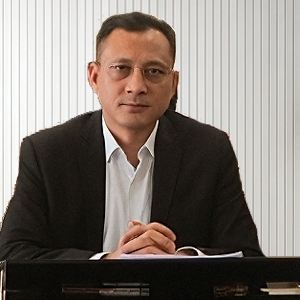
Mr Armstrong Pame, Deputy Commissioner, District Administration Tamenglong

Mr Pawan Kadyan, District Magistrate, District Administration Cooch Behar
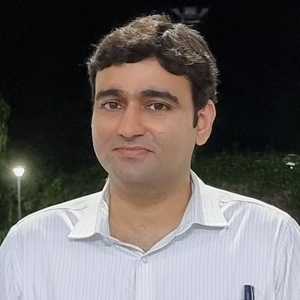
Mr Abhishek Jain, Assistant Commissioner, District Administration Bongaigaon
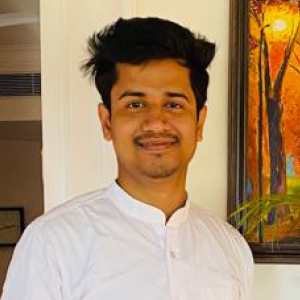
Dr Shefali Dash
Distinguished Fellow, SKOCH Development Foundation and Former DG, NIC
Dr. (Mrs.) Shefali S. Dash is a Ph.D in Physics & Former Deputy Director General, National Informatics Centre, New Delhi. Her Areas of Specialization are Planning and implementation of Management Information Systems (MIS) and Decision Support Systems (DSS), development and implementation of e-Governance programmes, Informatics Development Services and Setting up of Computer Centres, Local Area Networks and computer communication infrastructure in rural areas. She has Implemented a number of large scale projects like the Rajiv Gandhi National Drinking Water Mission computerization Project, Community Information Centre Project, GRAMSAT Project, Warana Wired Village Project, Project Arrow of Department of Post, Setting up of Wide Area Network for connecting all the post offices in the country, Setting up of National Consumer Call Preference Registry for TRAI, Project Nikshaya for Ministry of Health etc. She has been instrumental in preparing e-Governance Plans for various State Governments in India as well as for the Government of Lao PDR.
Mr Anoop Khinchi
Secretary, Fisheries & Aquatic Resources, Government of Nagaland
Dr Senthil Raj
District Collector, District Administration Thoothukudi
Mr Biswajit Pegu
District Magistrate, Kamrup Metropolitan District
Mr Armstrong Pame
Deputy Commissioner, District Administration Tamenglong
Mr Pawan Kadyan
District Magistrate, District Administration Cooch Behar
Mr Abhishek Jain
Assistant Commissioner, District Administration Bongaigaon
1330 - 1530
State of Cities
We have been studying cities for nearly two decades and find that cities have evolved from their erstwhile role of maintenance of the city alone. Local bodies are the interaction layer for the citizens For a citizen, it would mean transacting online in an error-free manner and for government, availability of refined data for better targeting and delivery. Cities are innovating and have become more business like to improve their revenue by way of increased compliances, reduced leakages and user charges. This is making our cities agile, alert and institutions that are adding to the ease of living.
The Panel discusses the following:
- What needs to be done to improve citizen-government interaction and ease of living?
- What are the impediments?
- How can emerging technologies help, in case energy sector – renewables and in case of transport – EV?
- Given the current challenges, how to leverage data and see its functionality across all applications, services and departments?
Moderator: Dr Gursharan Dhanjal, Managing Director & Editor, SKOCH Group
Mr Sandeep Malvi, Additional Municipal Commissioner& CEO, Thane Smart City Limited
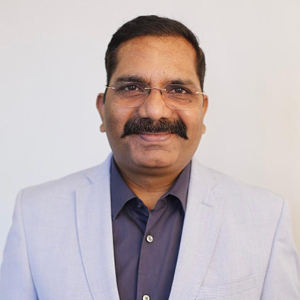
Mr Himanshu Singh, Commissioner, Chhindwara Municipal Corporation
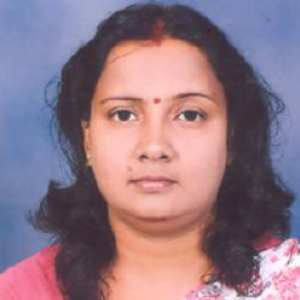
Ms Aparna Moulik, Chairperson, Baranagar Municipality
Mr Anand Menon, Vice President, Agra Smart City Limited

Dr Gursharan Dhanjal
Managing Director & Editor, SKOCH Group
Dr Gursharan Dhanjal, MA, M.Phil, PhD from Delhi University, an expert in development economics. He is Vice Chairman, SKOCH Group. He is also Editor of INCLUSION—a quarterly publication that focuses on inclusive growth related areas. He has led various research projects, impact assessments and field studies in MSMEs, women empowerment, entitlements, rights, sanitation, social inclusion, health, financial inclusion, e-governance and ICT for development that included traversing across the country, collecting citizen voices for over two decades now. A prolific writer, Dr Dhanjal has contributed over 200 columns in leading national dailies including The Hindustan Times, The Times of India, The Financial Express and The Pioneer. He has published research papers in several journals of repute in addition to authoring following widely acclaimed books: Tarapur: The Politics of Nuclear Age; and, Infrastructure and Governance. He was member of the Working Group on ICT in Higher Education constituted by Planning Commission for the 12th Five Year Plan.
Mr Sandeep Malvi
Additional Municipal Commissioner & CEO, Thane Smart City Limited
Mr Himanshu Singh
Commissioner, Chhindwara Municipal Corporation
Ms Aparna Moulik
Commissioner IMC & Managing Director, Atal Indore City Transport Services Limited
Mr Anand Menon
Vice President, Agra Smart City Limited
1530 - 1630
State of Police
The digital enablement of the police forces in India and law and order machinery has been put in top gear. Whether it is the integrated command and control, wiring up of all police stations down to the taluka level, CCTV networks or data analytics and AI. Our Police system is on the move. The imperatives have changed given the current state of digitalisation that has also increased the cyber vulnerabilities. Social media has become a major influence on shaping up democracy and society. There are issues to women and child safety as well. Most state police departments have a vision on how 2021-25 they are going to become a fully digitally enabled police force in a digital state.
This panel examines:
- The shape of things to come and how our Law and Policing would keep up to speed.
- What are going to be the linkages with the judicial system, etc?
- What is your vision 2021-25?
Moderator: Dr Gursharan Dhanjal, Managing Director & Editor, SKOCH Group
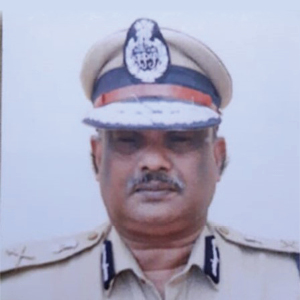
Mr K Vannia Permual, Additional Director General of Police, Tamil Nadu Police Department
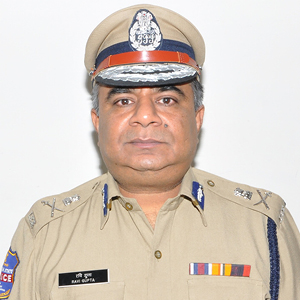
Mr Ravi Gupta, Additional Director General of Police, Technical Services, Telangana Police Department
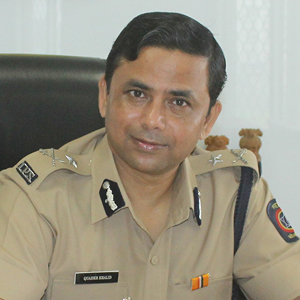
Mr Quaiser Khalid, Commissioner of Police, Mumbai Railway Police Commissionerate
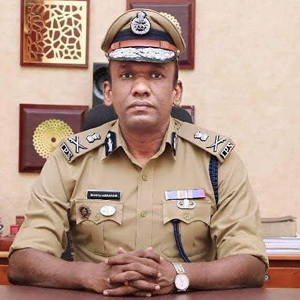
Mr Manoj Abraham, Additional Director General of Police, Kerala Police Department
Ms Aswati Dorje, Joint Commissioner, Nagpur City Police
Dr Gursharan Dhanjal
Managing Director & Editor, SKOCH Group
Dr Gursharan Dhanjal, MA, M.Phil, PhD from Delhi University, an expert in development economics. He is Vice Chairman, SKOCH Group. He is also Editor of INCLUSION—a quarterly publication that focuses on inclusive growth related areas. He has led various research projects, impact assessments and field studies in MSMEs, women empowerment, entitlements, rights, sanitation, social inclusion, health, financial inclusion, e-governance and ICT for development that included traversing across the country, collecting citizen voices for over two decades now. A prolific writer, Dr Dhanjal has contributed over 200 columns in leading national dailies including The Hindustan Times, The Times of India, The Financial Express and The Pioneer. He has published research papers in several journals of repute in addition to authoring following widely acclaimed books: Tarapur: The Politics of Nuclear Age; and, Infrastructure and Governance. He was member of the Working Group on ICT in Higher Education constituted by Planning Commission for the 12th Five Year Plan.
Mr K Vannia Permual
Additional Director General of Police, Tamil Nadu Police Department
Mr Ravi Gupta
Additional Director General of Police, Technical Services, Telangana Police Department
Mr Quaiser Khalid
Commissioner of Police, Mumbai Railway Police Commissionerate
Mr Manoj Abraham
Additional Director General of Police, Kerala Police Department