SKOCH Summit
Education, Skills & Employment
Filter:








India’s ambition to achieve developed economy status by 2047 under the Viksit Bharat vision rests on expanding productive capacity, on engineering a structural transition towards innovation-led, knowledge-intensive growth. It is a shift that is fundamentally dependent on the quality, coherence and forward-orientation of its regulatory architecture.
This conference advances the argument that regulatory framework design is a primary macroeconomic variable, not a secondary administrative consideration and that India’s ability to sustain high-quality growth over the coming decades will be determined in significant part by whether its institutions are recalibrated to incentivise discovery, reward complexity and attract long-horizon investment.
Drawing on productivity economics and institutional analysis, the conference will examine the relationship between regulatory design and key economic performance indicators (including total factor productivity (TFP), incremental capital-output ratio (ICOR) and the depth of industrial upgrading) to demonstrate that regulatory fragmentation, compliance asymmetries and institutional gaps represent binding constraints on India’s innovation potential.
It will interrogate a critical structural tension at the heart of India’s development moment. Rather than just focusing on deregulation, it is an opportune time for India to advance a capability-centric model of regulatory modernisation, one that builds institutional credibility, reduces uncertainty for R&D-intensive investors and creates the enabling conditions for domestically anchored innovation ecosystems to take root and scale.
Instead of narrowly focusing on deregulation, the conference discusses a capability-centric model of regulatory modernisation. Such a model should build institutional trustworthiness. It should reduce uncertainty for R&D-intensive investors, create legal certainty for citizens and enterprises and establish enabling conditions for domestically anchored innovation ecosystems to grow and scale. The conference will also examine in what way strategic conformity with international regulatory criteria and global best practices can serve as an instrument of economic statecraft.
Know More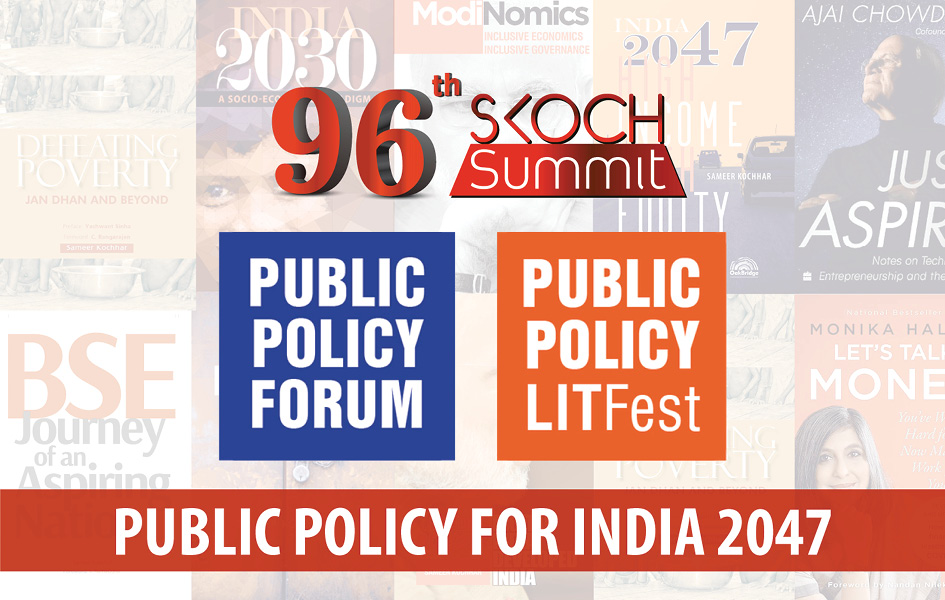



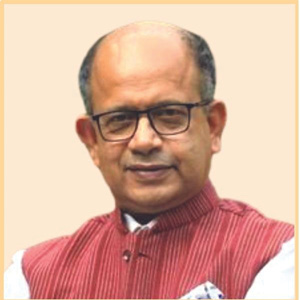
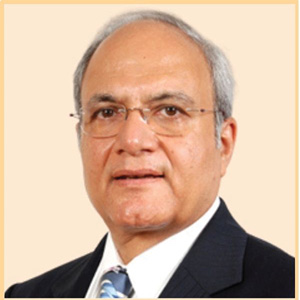
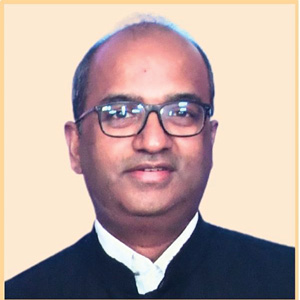
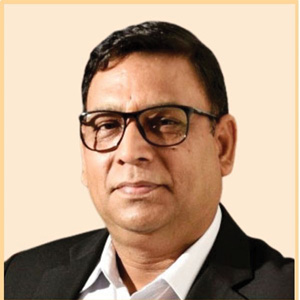
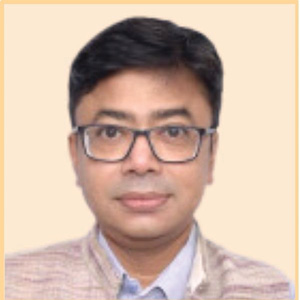
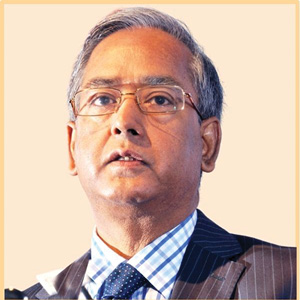
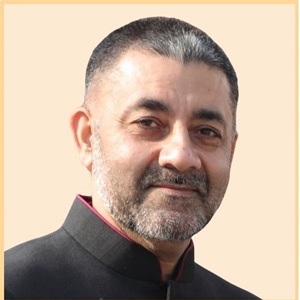
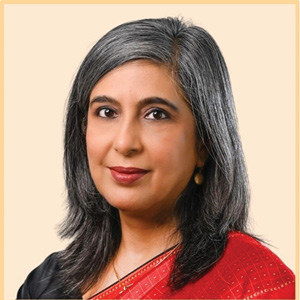
The 96th SKOCH Summit – Public Policy for India 2047 brings together policymakers, economists, and industry leaders to chart India’s long-term development vision. The sessions explore the evolution of public policy as a science, the manufacturing and hardware revival, and India’s leadership in AI innovation for global impact. Discussions emphasize empowering MSMEs, deepening and securing markets, and promoting financial literacy as key levers of inclusive growth. The summit also revisits India’s journey toward AatmaNirbhar Bharat, highlighting reforms that blend self-reliance with global competitiveness. Collectively, the panels outline a roadmap for a resilient, data-driven, and equitable India by 2047.
Know More



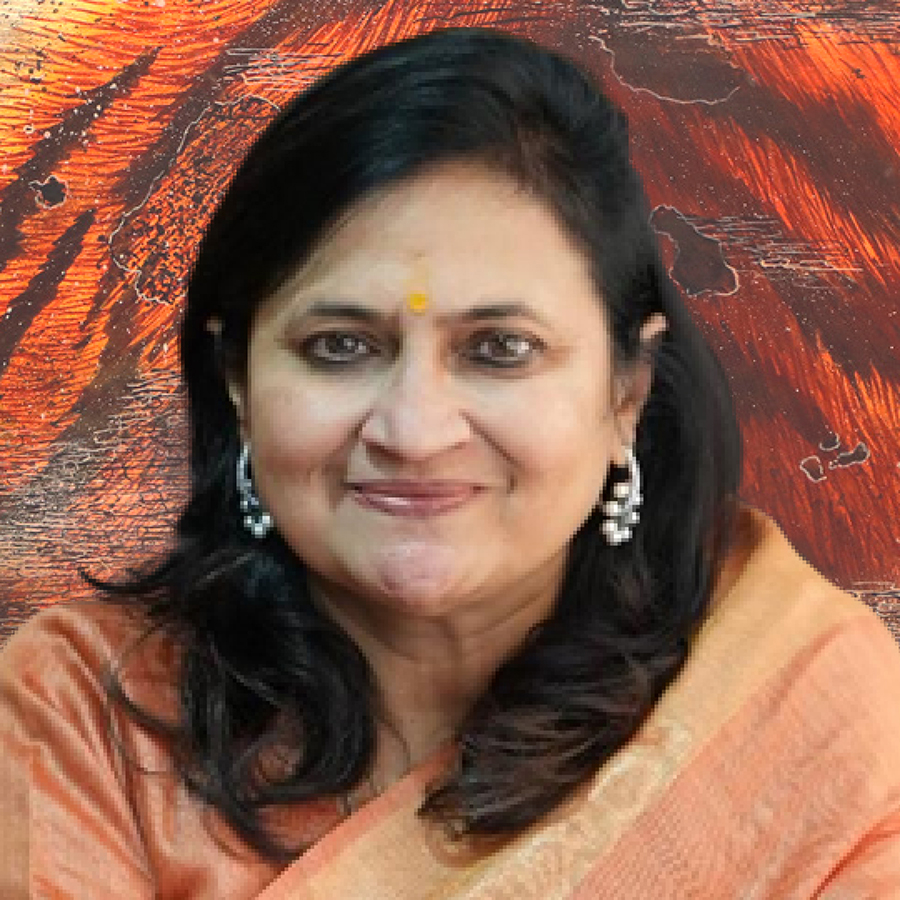

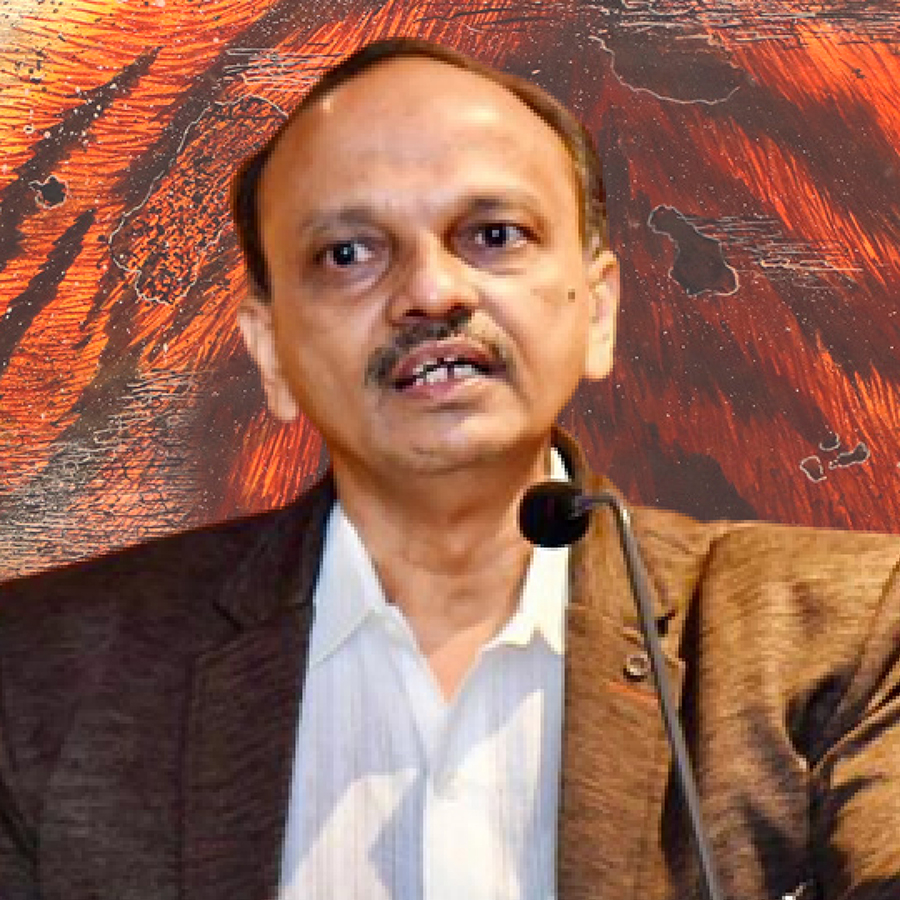

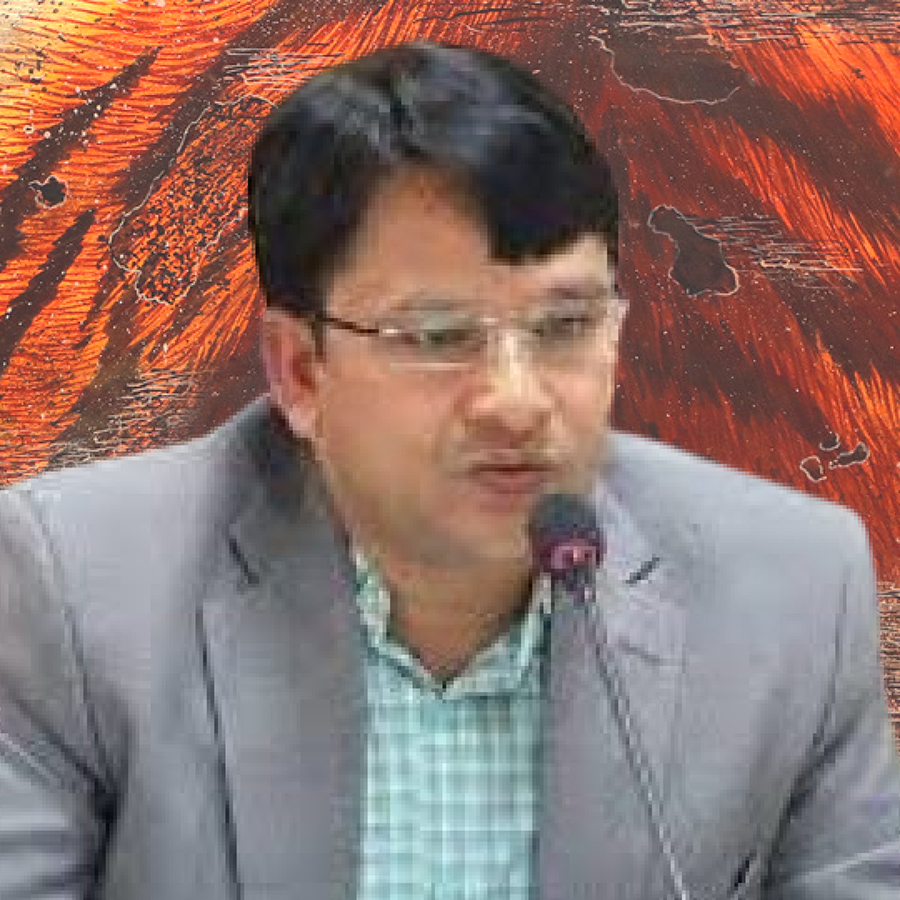




The 91st SKOCH Summit, themed "State of Governance," on May 4, 2023, was a platform for showcasing and deliberating on innovations in public sector service delivery. The key panel discussions focused intensely on cutting-edge governance practices across crucial sectors. These included a session on Innovations in Education and Skill Development, which featured officials from Bihar, Chhattisgarh, Kerala, and Uttarakhand discussing modernization and training. A dedicated panel on Innovations in Finance highlighted advancements in state tax and excise departments, featuring J&K and Maharashtra. Furthermore, the summit hosted in-depth discussions on Innovations in Planning and Development and Municipal Governance, showcasing best practices in urban development, smart city projects, and sustainable planning from states like Maharashtra, MP, Tripura, Ludhiana, and Tirunelveli. The entire event was structured around the presentation and recognition of over 79 projects that received the prestigious SKOCH Order-of-Merit for excellence in governance.
Know More
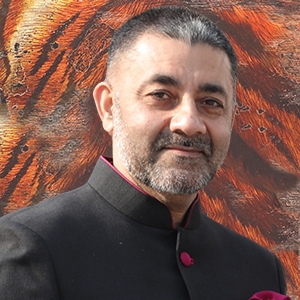
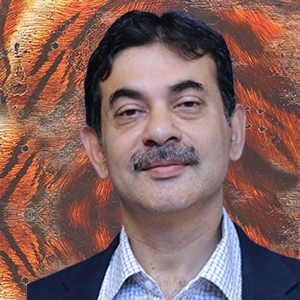
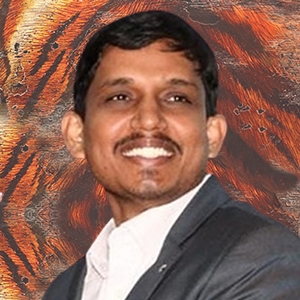

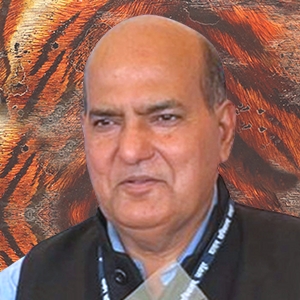
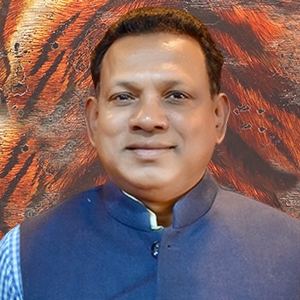
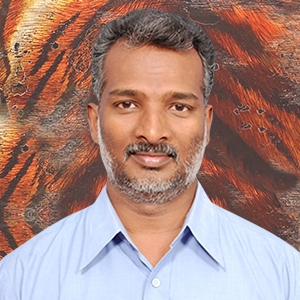
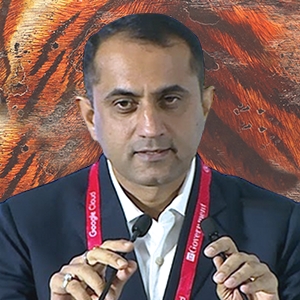


The 89th SKOCH Summit, themed "State of Governance" on March 10, 2023, featured focused deliberations on technological and administrative innovations across state governments. The key panel discussions, moderated by Dr. Gursharan Dhanjal, centered on three critical areas. The Innovations in E-Governance session featured senior officials from Telangana, Tamil Nadu, and Karnataka, exploring digital transformation. This was followed by a panel on Innovations in Education, with participants from Odisha, Rajasthan, Chhattisgarh, and Tamil Nadu discussing advancements in state higher education and school councils. Finally, the Innovations in Municipal Administration & Governance session highlighted best practices in local self-governance from Rajasthan, Tamil Nadu, and Andhra Pradesh, discussing urban development and civic services. The summit also celebrated numerous projects with the SKOCH Order-of-Merit recognition.
Know More








India Governance Forum in its twentieth year, is the oldest Governance Leadership Summit. Its recommendations have had a profound policy impact across the center and state governments. It is one of the few conferences where the focus is on field research-based knowledge-rich arguments that bring felt needs to the discussion table.
We firmly believe Governance is what is received and not what was the intended delivery. Our ongoing field research and conversations across thousands of projects in a year give us a deep insight into what is working and how it can work even better.
We bring together an ecosystem of academia, industry, economists, policy experts, practitioners, and civil society. Carefully constructed panels, well-researched background notes and clearly articulated problem statements to find relevant answers and an agenda moving forward created. Honestly, there is nothing else that comes even close.
Know More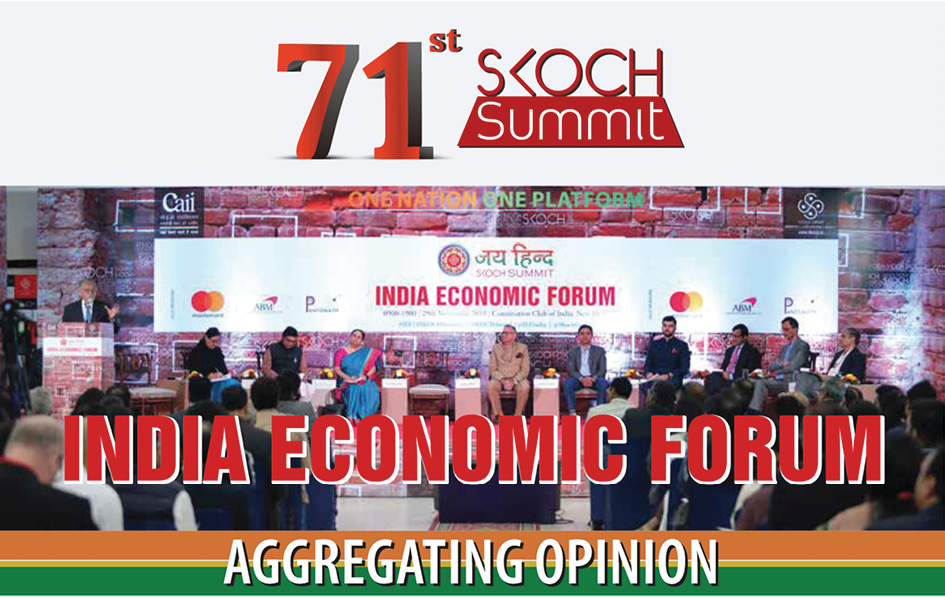








AatmaNirbhar Bharat is a far-reaching programme not only for making India self-reliant but also to put it on a higher growth trajectory This growth we describe as AatmaNirbhar Growth has to be spatially dispersed, job generative and equitable. This then would ensure a 'V' shaped recovery post-COVID and not a 'K' shaped one that has a few stakeholders concerned. India Economic Forum would return actionable recommendations.
AatmaNirbhar Bharat is a far-reaching programme as envisioned by the Hon'ble Prime Minister and we believe that it would logically lead to AatmaNirbhar Growth.
India Economic Forum, this year focuses on this and through consultations with all relevant stakeholders provide a road map and recommendations that would chart this path. The key challenges would be increasing consumption, handling debt situation, getting more private investment as merely government spending may not suffice to generate employment, focus on finding resources to fund infrastructure development and finally doing all this while not losing sight of Environment, Sustainability and Governance.
Being organised soon 20 days after the Union Budget, the idea is to crystallise ways in which the budget can be translated into AatmaNirbhar Growth.
Last year too, the Forum had returned several recommendations. These were published as special issue of INCLUSION magazine and are also available online at: https://inclusion.in/category/inclusion/road-to-recovery/
Know More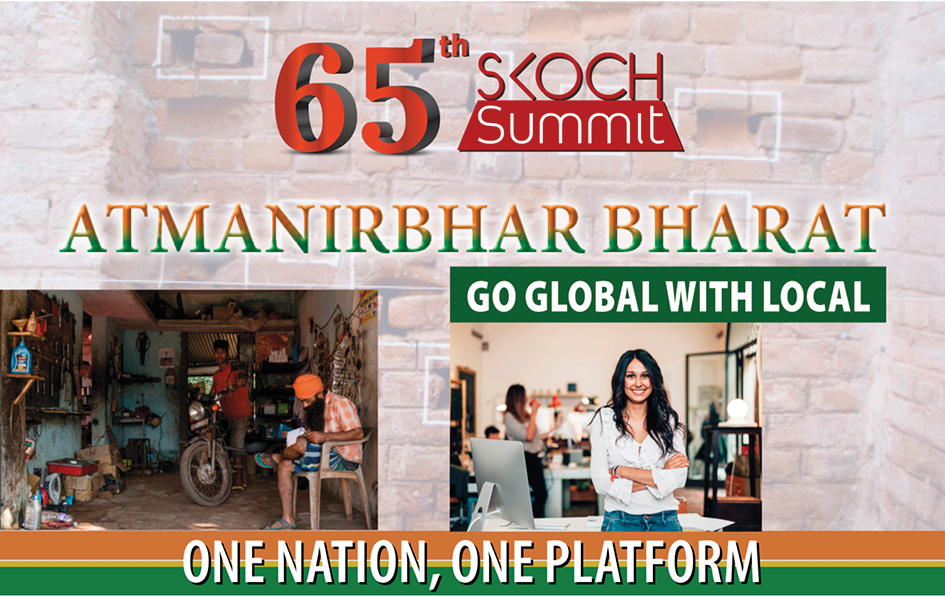


Self-reliance is a survival imperative. for has several dimensions. For MSMEs it means the twin objectives Of producing for local consumption and also producing for exports. For Hi-Tech it is a question of national security as well as global leadership. In a world dominated by big-tech. India has to lead and not be digitally colonised- The wireframe of governance needs to be strengthened at all three levels of center, state and local bodies.
This is imperative for pushing the Atmanirbhar agenda as policy. implementation. finances and success are all dependent on governance. Keeping this in mind, the 65th SKOCH Summit tries to show the path towards the light at the end Of the tunnel.
Know More


The 63rd SKOCH Summit integrated a Public Policy Forum with a Public Policy LITFest, creating a unique platform that blended rigorous policy discussions with insights from contemporary literature on governance, economics, and social issues in India. Likely held in late 2019, the summit aimed to enrich the policy discourse by incorporating perspectives from authors and their recent works.
The core Public Policy Forum segment addressed pressing national challenges, examining the effectiveness of ongoing reforms, exploring strategies for economic growth, and debating improvements in public service delivery and governance structures. Simultaneously, the LITFest component featured discussions with authors, book launches, and panels centered around influential new books relevant to these policy areas. This integration allowed for a dynamic exchange where data-driven analysis met narrative insights, and policy debates were informed by the research and perspectives presented in recent literature.
By combining these elements, the 63rd SKOCH Summit aimed to foster a more holistic understanding of India's development challenges. It underscored SKOCH's innovative approach to policy dialogue, leveraging the power of both expert analysis and compelling literature to stimulate debate and contribute to more informed public policy.
Know More


State of Inclusion asked a simple, consequential question: who is still outside India’s growth story—and why? The summit reframed inclusion as a design problem for policy and delivery, pushing beyond intent to examine whether public programmes, financial systems, and local institutions are actually reaching the last mile. It set out a pragmatic inclusion agenda grounded in evidence, field learning, and outcomes, convening policy thinkers, administrators, bankers, and civil society to align on what works and what must change.
Deliberations cut across financial access, social protection, and capability-building, spotlighting models that translate entitlement into usable service—timely credit for small producers, skilling that leads to employability, and local governance that closes leakages. Recognition at the summit reinforced this ethos, highlighting initiatives that demonstrably improved lives rather than merely expanding paperwork—an insistence that inclusion be measured by delivery, not declarations.
In spirit and practice, the summit argued that inclusion is the operating system of good governance. It called for course-corrections in both policy and implementation, better data about the excluded, and accountability loops that keep citizen outcomes at the centre. By doing so, State of Inclusion positioned inclusion not as an afterthought to growth, but as the engine that makes growth resilient, equitable, and real.
Know More


“ModiNomics - One Generation Change” framed reform as a promise measurable in a single lifetime: defeat poverty, formalise the economy, and compound opportunity through institutions that work. The summit connected the big levers—demonetisation and a less-cash economy, digital banking & insurance, universal health assurance, learning revolution, MSME reboot, and urban governance reform—into one productivity narrative: policy must travel through technology and institutions to become prosperity.
Rather than treating sectors in silos, the programme argued for a whole-of-economy design. Financial rails and digital identity needed to meet welfare delivery; land, labour and credit reforms had to unlock job-generative, sustainable growth; and city planning and implementation had to translate ambition into everyday services. The emphasis was on execution architectures—the pipes, standards, and accountability loops that turn intent into outcomes.
In spirit, the summit served as a blueprint and a benchmark: if reforms are to deliver within a generation, they must be coherent, citizen-centred, and evidence-audited. By weaving macro vision with delivery detail—from universal basic income debates to food security and sustainable agriculture—ModiNomics was presented not as a slogan, but as a systems agenda for inclusive, durable change.
Know More