SKOCH Summit
About

About SKOCH Group
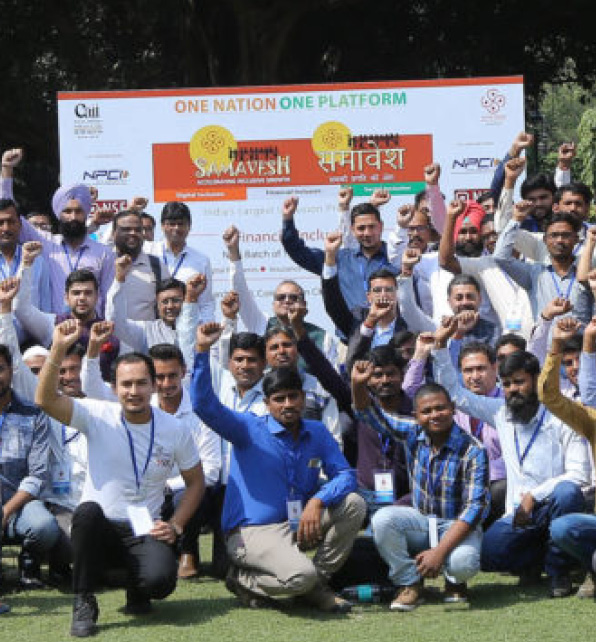
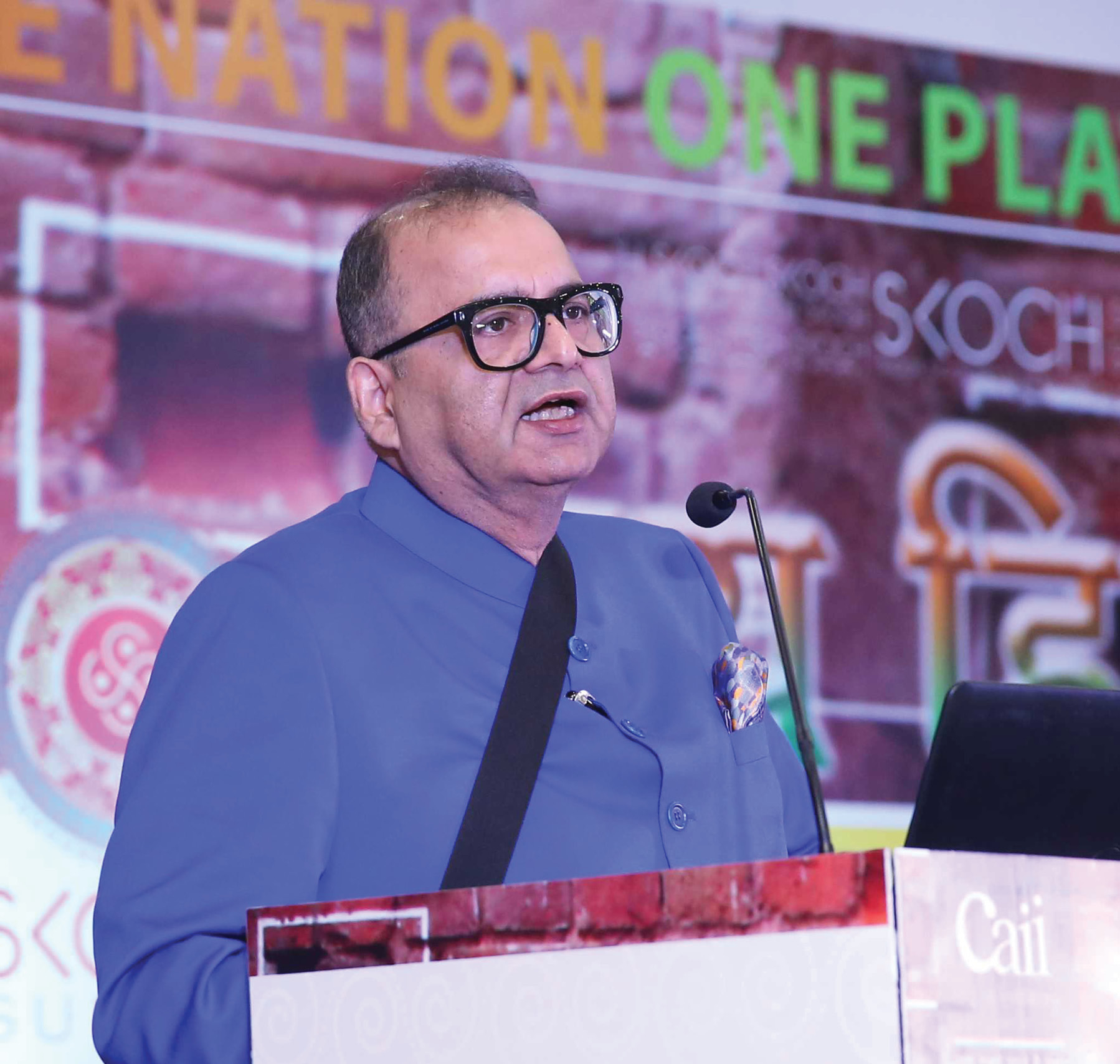
Founded in 1997 by Mr Sameer Kochhar, SKOCH Group stands at the intersection of knowledge, governance, impact assessment and action research. Widely recognised as India's leading independent think tank on socio-economic issues, SKOCH has consistently focused on one central mission: making growth inclusive by bringing felt-needs from the ground into the policy process. What distinguishes SKOCH is not merely the volume or range of its intellectual output, but the demonstrable impact its work has had on public policy and national priorities. The knowledge thus generated is periodically documented.
Over nearly three decades, SKOCH has built a unique institutional architecture comprising a consulting arm, a media and publishing platform and a charitable foundation. This allows it to engage seamlessly with governments, regulators, Fortune-500 companies, state-owned enterprises, SMEs and community-based organisations, translating ideas into implementation and feedback from implementation back into policy.
Under the leadership of Mr Sameer Kochhar, reforms historian and author of over 20 definitive volumes on Indian economic and governance reforms, SKOCH has documented the evolution of India's policy landscape while offering prescriptions for the future. He has recently published the 25-year journey of Mr Narendra Modi, Hon'ble Prime Minister, of being in the government, entitled ModiNomics – A Journey of Inclusive Growth. His earlier bestseller ModiNomics: Inclusive Growth, Inclusive Governance, was released by Mr Arun Jaitley in 2014.
Knowledge Creation Across Domains
SKOCH's knowledge work spans Governance; Digital Transformation; Corporate Excellence; Environmental, Social and Governance (ESG); Corporate Digital Responsibility; Human Rights in Business; Banking & Financial Services (BFSI) and so on.
Its outputs include field-based research, policy briefs, flagship reports, books, journals, workshops, conferences and one of India's largest online repositories of best practices in governance and inclusion. For instance, it is a recognised Centre of Excellence with Ministry of Tribal Affairs.
The annual SKOCH State of Governance Report and earlier Governance Report Cards, published continuously since 2003, assess project-level outcomes across Indian states through primary research, jury evaluation and field validation. These reports do not merely rank performance; they identify systemic bottlenecks, spotlight scalable solutions and provide policymakers with actionable insights grounded in evidence. SKOCH has also created native Indices to assess states' performance, viz., SKOCH State of Financial Prudence Index, SKOCH State of e-Government Development Index; SKOCH State of Government Transformation Index; SKOCH State of Development Index; and, SKOCH State of Government Efficiency Index.
SKOCH India Involved Index measures Corporate India's commitment to developed India. In its year-long study, it assesses a number of companies across over 600 indicators and ranks Top-20 corporates on comprehensive 'India Involved Ranking' covering 'Environmental, Social and Governance (ESG), Corporate Excellence and Digital Transformation.'
SKOCH has also created enduring public knowledge assets through comprehensive Assessment Frameworks, INCLUSION magazine, its exhibitions and extensive video documentation that together form an unparalleled archive of contemporary Indian governance, corporate performance, reform and delivery innovation.
From Ideas to Impact
Crucially, SKOCH’s work has moved beyond analysis to improve policy direction and design. Its sustained engagement with governments and regulators has contributed to several landmark shifts in India’s development trajectory.
Some of the notable examples include:

Job-Generative Impact of ModiNomics
Released during 2024 general elections, the report said that ‘ModiNomics’ has had a significant impact on employment generation, as an average of 5.14 crore person-years of employment has been generated annually since 2014. The report was quoted by the Hon’ble Prime Minister on a number of occasions on national TV.

SKOCH Approach to Responsible Gaming Code
Based on years of research, a comprehensive documentation was created that emphasised protecting human rights and mental health in digital-native industries; advocated for a triad approach to ensure ethical standards, regulatory compliance and effective governance; shifted focus from skill vs chance to regulatory outcomes based on gaming objectives; and, recommended higher industry compliance, especially in mental health and multilingual communication.

MUDRA and Employment Generation
SKOCH assessments played a key role in reframing small-credit policy around job creation. Its analysis of MUDRA (2016) demonstrated its employment-generating potential around micro-enterprise finance.

Course Correction in Aadhaar
Special report was published as far back as 2011 that first ever pointed out the need for PRI’s to play an active role in Aadhaar enrolments; Aadhaar to get legislative backing; and, all DBTs to be Aadhaar enabled.

Financial Inclusion and Jan Dhan Yojana
Long before financial inclusion became a central policy priority, SKOCH’s research and advocacy highlighted exclusion from formal finance as a structural barrier to growth. Its work helped shape the discourse that culminated in Jan Dhan Yojana and later documented and strengthened the scheme’s evolution beyond account opening toward usage, credit and livelihoods.

Direct Benefit Transfers and Digital Governance
SKOCH was an early and persistent advocate of DBT, digital payments and digital public infrastructure as tools for reducing leakage and improving state capacity. Its policy briefs and field evidence reinforced the case for scaling DBT and digital cash ecosystems, now core pillars of India’s welfare architecture.

Infrastructure and Rural Roads
By consistently documenting outcomes rather than outlays, SKOCH brought renewed policy attention to rural roads and last-mile infrastructure as enablers of inclusion and economic participation.
Such interventions reflect SKOCH's distinctive role: an independent think-tank that combines research credibility with policy relevance, capable of assessing outcomes following an established independent methodology.
Independent Recognition and Institutional Memory
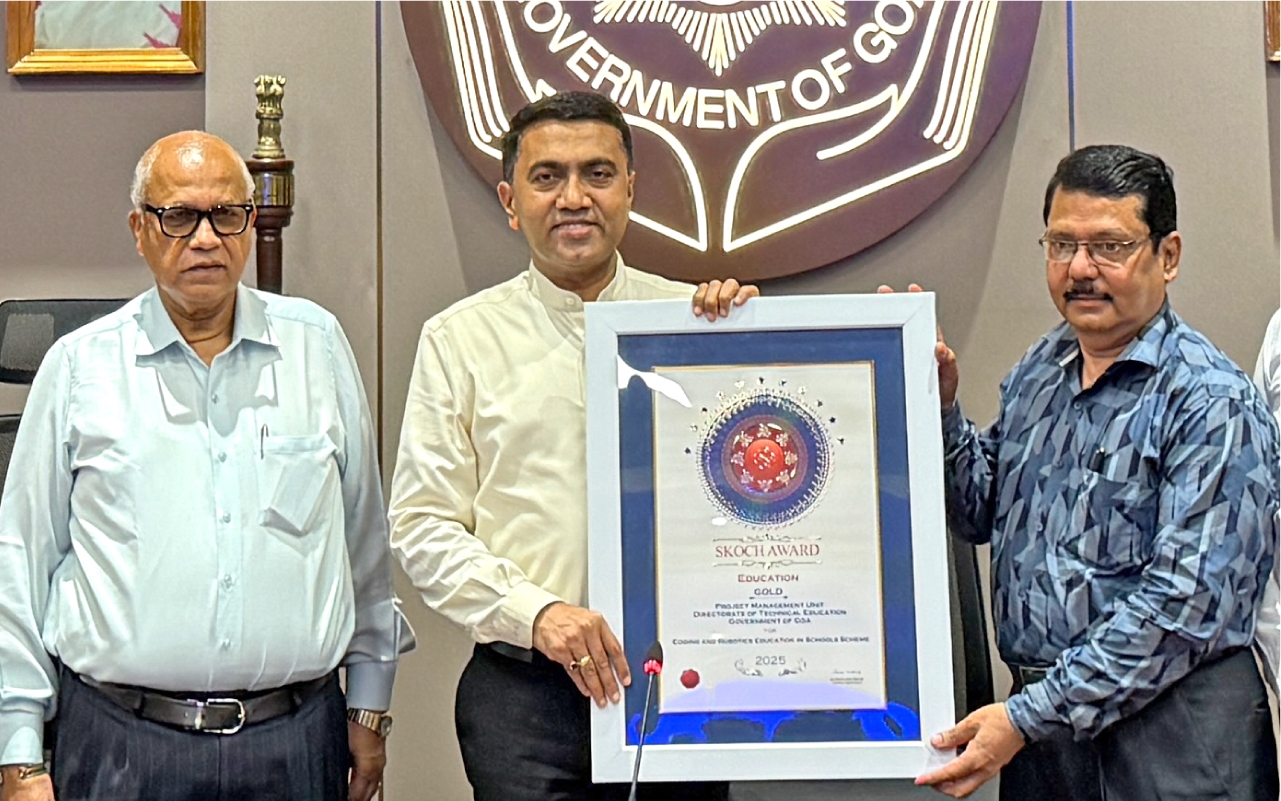
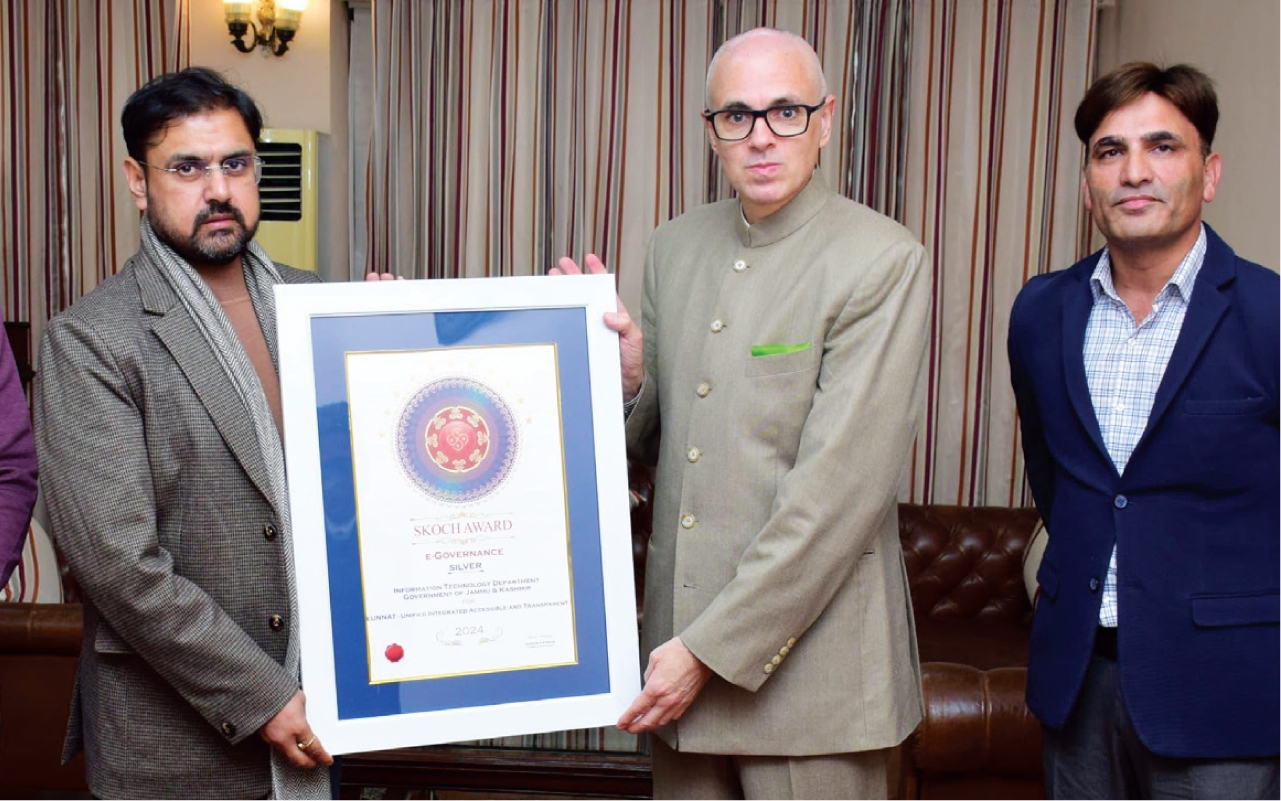
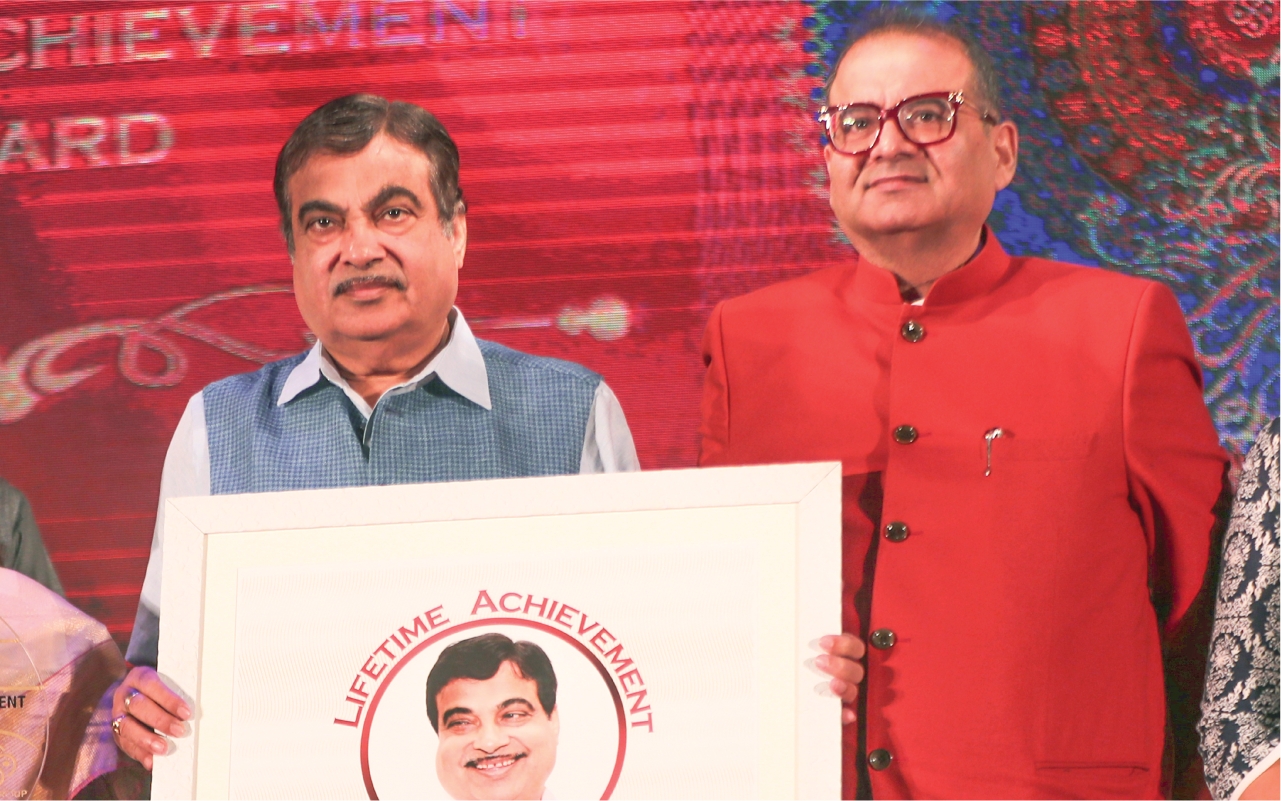
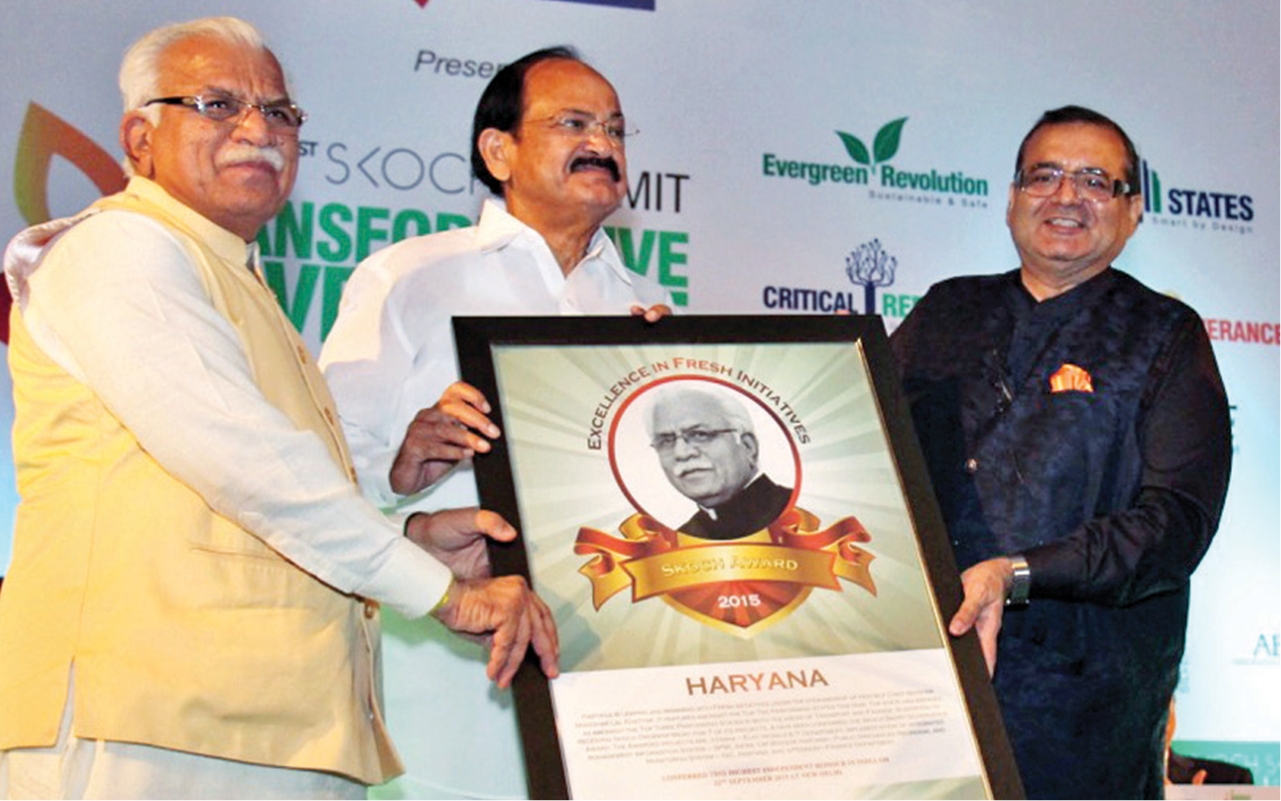
SKOCH further reinforces policy learning through the SKOCH Awards, instituted in 2003 and widely regarded as India's highest independent civilian honours in the fields of governance, ESG, finance, technology and social inclusion. The awards' rigorous, research-driven selection process has elevated both national leaders and grassroots innovators, while creating an institutional memory of 'what works' in the Indian context.