SKOCH Summit






Agenda
There is no more a question mark. The third wave of coronavirus has become ‘inevitable’ now.
There are only questions like when a new variant of COVID-19 will hit the country and whether and how well the centre, states, metros, and districts have prepared for it.
Reuters’ survey, based on an opinion poll of 40 doctors, scientists, epidemiologists, and professors across the globe, says it may hit India by October. Director, All India Institute of Medical Sciences (AIIMS), India’s premier health institute, Dr Randeep Guleria says that the ‘inevitable’ third wave could arrive in the next six to eight weeks while Maharashtra State Task Force member Rahul Pandit fears it may arrive earlier than expected if people do not observe COVID-appropriate behaviour. The task force believes that 10 percent of the total cases in the third wave could comprise children and young adults.
SKOCH Group, one of India’s leading think tanks dealing with socio-economic issues with a focus on inclusive growth since 1997, is organising a National Consultation ‘Preparing for the Third Wave’. The consultation would look at the views of the centre, state, cities and districts. To be organised in three parts, the first conference on the subject would take place on 3 July.
To be attended by stakeholders from sectors like administration, health, social welfare, urban development, the conference would deliberate upon issues relating to these subjects and subjects related to oxygen infrastructure, medicines, vaccination, demand and supply chains, and best practices, the centre, the states, cities and districts adopted to counter the second wave of the virus. They would discuss issues related to grassroots to governance and come up with strategies to defeat the pandemic.
The economic cost of the second wave is yet to be fully decoded. But one thing is clear that the first quarter of the current financial year has been hit badly. The State Bank of India, the largest lender, has cut down the FY22 growth forecast from 10.4 percent to 7.9 percent. Unlike the first wave when the rural sector remained largely unscathed, the second wave has devastated the rural economy. Besides, it has affected the informal economy, small businesses and poor people. The second wave led to a steep jump in health expenditure as well.
The centre and the state governments have already started gearing up to tackle the new variants of the virus in a possible third wave. The centre rolled out free vaccines for all above 18 years of age from 21 June. The universal vaccination involving distribution of free vaccines to the states for the 18-45 years category is expected to scale up daily vaccination numbers and vaccinate all adults in the country by the end of this year. The centre has already decided to distribute free ration to the poor under Pradhan Mantri Garib Kalyan Yojana (PMGKY) till Diwali.
The PM’s native state Gujarat has decided to tackle the third wave with ‘almost double the intensity’ than shown during the second wave. Its plans include almost doubling the oxygen beds, ICU beds and paediatric beds from the present 61,000, 15,000 and 2000 respectively. It will also be filling up all vacancies in medical field and step up testing. SKOCH State of Governance Review 2020, based on evaluation by expert juries, peer reviews, focus groups and conversation on the ground, had lauded the Gujarat government’s Mission Indradhanush Vaccination programme.
Kerala will increase administration of daily vaccine doses to 2-2.5 lakh and boost paediatric facilities, oxygen beds, ICUs and ventilators. Telangana, another southern state, which opened up recently, is improving infrastructure in all its paediatric hospitals and converting all hospital beds into oxygen beds. Karnataka is working to add oxygen plans in all its medical college attached hospitals. The state has formed a task force to suggest ramping up of paediatric facilities.
Maharashtra, which saw infection among 75,387 children (out of 134,470 in the country), is going to set up paediatric wards and creche network for parents in COVID care. Prime Minister Narendra Modi had lauded the ‘Mumbai Model’ during one of his Man Ki Baat addresses on radio. The model that cut down the doubling rate from 8.2 on 10 May to 433 in June, included decentralised hospital bed management, a platform based ambulance service, setting up of jumbo dedicated COVID health centres and hospitals with walk-in-facilities of beds, aggressive tracing, tracking, testing and treating mission in Dharavi and efficient oxygen supply management.
Arvind Kejriwal’s Delhi government is preparing to tackle 37,000 to 45,000 cases per day in the third wave. The state has set up task force for paediatric care and is going to ramp up PSA (Pressure Swing Adsorption oxygen generating plants) plants to 64 in the next few months. These plants will have a capacity of 64.69 metric tonne. The SKOCH State of Governance 2020 report ranked states on the basis of performance in the health sector also. Haryana and West Bengal occupied the top spot followed by Karnataka, Andhra Pradesh, Delhi, Uttarakhand and Kerala. The report made a special mention of digital management of the pandemic by Haryana, West Bengal and Andhra Pradesh. It called e-SANJEEVANI under the National Health Mission – Arogyakerralam – ‘most impactful’ in 2020
The report noted that the roles of police and safety and district administration have burgeoned during the pandemic pushing the country towards decentralisation.
0900 - 1100
Inaugural Session
This session focused on lessons from India’s second COVID-19 wave and preparedness for a possible third wave. Sameer Kochhar emphasized that the biggest lesson was the need for decentralization, with districts, municipalities, and local administrations playing the most critical role in crisis response. Speakers highlighted how local innovation, digital dashboards, supply-chain management, and ward-level monitoring helped some regions respond more effectively. Dr Bibek Debroy stressed that India’s diversity makes centralized prediction and response inadequate, and argued that future management must remain decentralized and grounded in vaccination-led protection. Dr Ajay Shah underlined that individual behavior is central to pandemic control and called for better local public data, especially attack rates and seroprevalence, to shape public decision-making. Dr Shamika Ravi added that communication, local monitoring, vaccine uptake, and addressing hesitancy are essential for reducing future risk. The panel also noted that weak data systems remain a major gap in India’s COVID response. On the economic side, the discussion pointed to uneven recovery, pressure on employment and informal sectors, and the need to include the middle class in fiscal support thinking. Overall, the session concluded that cooperation across center, state, district, and community levels is essential for handling both the health and economic dimensions of future waves.
Opening Remarks: Mr Sameer Kochhar, Chairman, SKOCH Group
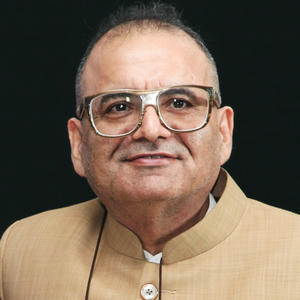
Dr Bibek Debroy, Chairman, Economic Advisory Council to the Prime Minister
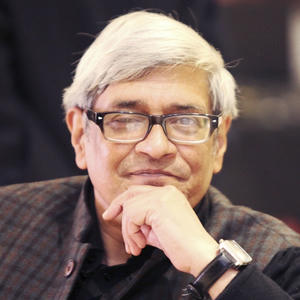
Dr Ajay Shah, Independent Scholar and Distinguished Fellow, SKOCH Development Foundation
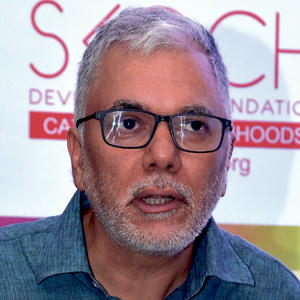
Dr Shamika Ravi, Nonresident Senior Fellow - Governance Studies, Brookings Institution

Mr Sameer Kochhar
Chairman, SKOCH Group
Reforms historian and author of best-seller ModiNomics, Sameer Kochhar is Chairman, SKOCH Group. He is a passionate advocate of social, digital and financial inclusion and is a foremost expert on governance and inclusive growth. His work has been acclaimed globally and endorsed by Mr Narendra Modi, Mr M Venkaiah Naidu, Dr Manmohan Singh, Mr Arun Jaitley, Mr P Chidambaram, Mr Yashwant Sinha, Dr C Rangarajan and Dr Montek Singh Ahluwalia and so on. In his thinking and writings and activities, his profound admiration for India's economic reforms and in extension, those outstanding personalities who strive to make these reforms more meaningful and broad-based comes out clear and unambiguous.
Dr Bibek Debroy
Chairman, EAC to Prime Minister
Dr Debroy is currently Chairman, Prime Minister Economic Advisory Council Debroy was also Member, NITI Aayog up to 5th June 2019. He has authored/edited several books, papers, and popular articles and has also been a Consulting/Contributing Editor with several newspapers.
Debroy was the Secretary General of the PHD Chamber of Commerce and Industry in Northern India and a columnist with the Indian Express, the Business Standard and the Financial Express. He is now a Contributing Editor with the Indian Express and a Professor with the International Management Institute in Delhi.
He was Director at the Rajiv Gandhi Institute for Contemporary Studies, Rajiv Gandhi Foundation, in New Delhi, between 1997 and 2005. Debroy was educated in Presidency College, Kolkata, Delhi School of Economics and Trinity College, Cambridge. He has worked at Presidency College Kolkata, Gokhale Institute of Politics and Economics (Pune), Indian Institute of Foreign Trade (Delhi), National Council of Applied Economic Research (Delhi) and as Consultant, Department of Economic Affairs, Ministry of Finance, Government of India. He was also the Director of a project known as LARGE (Legal Adjustments and Reforms for Globalizing the Economy), set up by the Ministry of Finance and UNDP to examine legal reforms.
Dr Ajay Shah
Independent Scholar & Distinguished Fellow, SKOCH Development Foundation
Dr Shamika Ravi
Nonresident Senior Fellow - Governance Studies, Brookings Institution
Dr. Shamika Ravi is currently a member of the Economic Advisory Council to the Prime Minister, and Secretary to Government of India. Previously, Dr Ravi was Director of Research at Brookings India, Vice President of Economic Policy at Observer Research Foundation and Non-Resident Senior Fellow of the Governance Studies Program at Brookings Institution. Her research focuses on the economics of development including areas of Finance, Healthcare, Urbanization, Gender Equality, and Welfare and Poverty.
1100 - 1300
Bird's Eye View
This session focused on preparing for a possible third wave of COVID-19 through a localized, coordinated, and data-driven response. Speakers stressed that India’s pandemic response must move state by state, district by district, and even household by household, with clear roles for the Centre, states, districts, and municipalities. Digital tools such as dashboards, surveillance, telemedicine, tracking, and tracing were highlighted as essential to crisis management and public communication. The discussion drew lessons from successful models such as Mumbai, Kerala, Bhilwara, and Haryana, especially in decentralized administration, vaccine efficiency, and community-level action. Dr. Ramachandran emphasized political will, empowered local governments, better communication, food security, support for vulnerable groups, and preparedness beyond emergency lockdowns. Professor Amir Lakhan argued that healthcare cannot be judged by “half-full” achievements and called for accountability, transparent mortality data, stronger vaccine research, genomic sequencing, and reliable vaccine supply. Dr. Shefali Dash stressed public behavior, self-restraint, micro-containment, and community participation over broad lockdowns. Mr. Madhu Mohan highlighted COVID-appropriate behavior, local leadership, rumor control, and ethical enforcement as key to managing future waves. Overall, the session concluded that preparedness for the third wave depends on vaccination, transparent data, strong local systems, and calm, sustained public cooperation.
Opening Remarks: Dr Gursharan Dhanjal, Managing Director & Editor, SKOCH Group
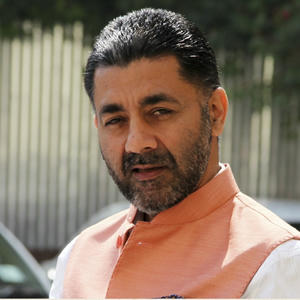
Dr M Ramachandran, Distinguished Fellow, SKOCH Development Foundation & Former Secretary, Government of India
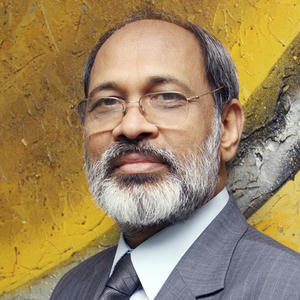
Mr Rajeev Arora, Additional Chief Secretary, Health, Haryana
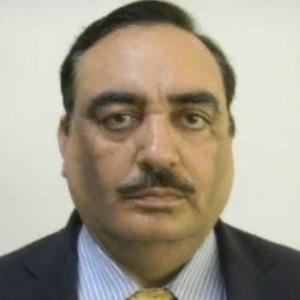
Prof Amir Ullah Khan, Research Director, Centre for Development Policy and Practice (CDPP)
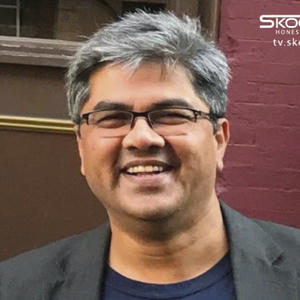
Discussion and Q&A Moderated by Dr Gursharan Dhanjal, Managing Director & Editor, SKOCH Group
Remarks by Dr Deepali Pant Joshi, Distinguished Fellow, SKOCH Development Foundation, Member, Executive Council, University of Allahabad & Former ED, Reserve Bank of India
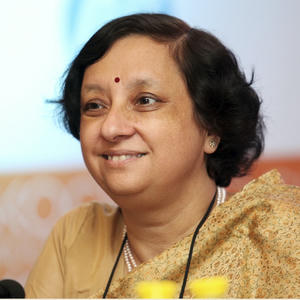
Remarks by Dr Shefali Dash, Distinguished Fellow, SKOCH Development Foundation & Former Director General, National Informatics Centre
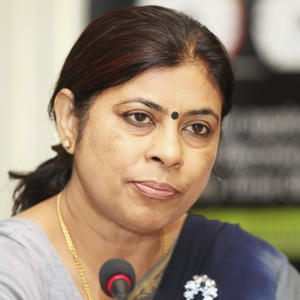
Remarks by Mr Madan Mohan, Senior Fellow, SKOCH Development Foundation & Former CGM, NABARD and CEO, NABARD Consulting
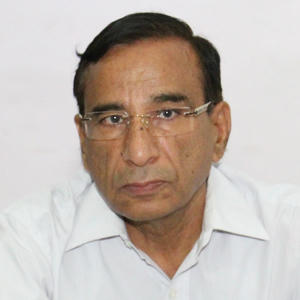
Dr M Ramachandran
Distinguished Fellow, SKOCH Development Foundation and Former Secretary, Government of India
As Secretary, Urban Development, he spearheaded the JNNURM. Earlier as Chief Secretary, Uttaranchal, he was identified as the “Infrastructure Man”, where he took several new initiatives, including public-private partnership projects, lining up $1 billion Asian Development Bank assistance for the Power, Road and Urban Sectors, $120 million World Bank assistance for the Drinking Water sector and so on.
Mr Rajeev Arora
Additional Chief Secretary, Health, Haryana
Dr Deepali Pant Joshi
Distinguished Fellow, SKOCH Development Foundation, Member, Executive Council, University of Allahabad & Former ED, Reserve Bank of India
Dr Gursharan Dhanjal
Managing Director & Editor, SKOCH Group
Dr Gursharan Dhanjal, MA, M.Phil, PhD from Delhi University, an expert in development economics. He is Vice Chairman, SKOCH Group. He is also Editor of INCLUSION—a quarterly publication that focuses on inclusive growth related areas. He has led various research projects, impact assessments and field studies in MSMEs, women empowerment, entitlements, rights, sanitation, social inclusion, health, financial inclusion, e-governance and ICT for development that included traversing across the country, collecting citizen voices for over two decades now. A prolific writer, Dr Dhanjal has contributed over 200 columns in leading national dailies including The Hindustan Times, The Times of India, The Financial Express and The Pioneer. He has published research papers in several journals of repute in addition to authoring following widely acclaimed books: Tarapur: The Politics of Nuclear Age; and, Infrastructure and Governance. He was member of the Working Group on ICT in Higher Education constituted by Planning Commission for the 12th Five Year Plan.
Mr Madan Mohan
Senior Fellow, SKOCH Development Foundation & Former CGM, NABARD and CEO, NABARD Consulting
Prof Amir Ullah Khan
Research Director, Centre for Development Policy and Practice (CDPP)
Dr Shefali Dash
Distinguished Fellow, SKOCH Development Foundation & Former Director General, National Informatics Centre
Dr. (Mrs.) Shefali S. Dash is a Ph.D in Physics & Former Deputy Director General, National Informatics Centre, New Delhi. Her Areas of Specialization are Planning and implementation of Management Information Systems (MIS) and Decision Support Systems (DSS), development and implementation of e-Governance programmes, Informatics Development Services and Setting up of Computer Centres, Local Area Networks and computer communication infrastructure in rural areas. She has Implemented a number of large scale projects like the Rajiv Gandhi National Drinking Water Mission computerization Project, Community Information Centre Project, GRAMSAT Project, Warana Wired Village Project, Project Arrow of Department of Post, Setting up of Wide Area Network for connecting all the post offices in the country, Setting up of National Consumer Call Preference Registry for TRAI, Project Nikshaya for Ministry of Health etc. She has been instrumental in preparing e-Governance Plans for various State Governments in India as well as for the Government of Lao PDR.
1305 - 1335
View From The Cities: Mumbai
This session highlighted lessons from Mumbai’s response to the COVID-19 second wave and preparations for a potential third wave. Dr. Daksha Shah presented the Mumbai Model, emphasizing governance, decentralized decision-making, aggressive testing, rapid expansion of health infrastructure, oxygen supply management, and ward-level war rooms for bed allocation. Strong public–private collaboration, data-driven monitoring, and community participation were key to managing the surge in cases. The discussion also stressed the importance of digital systems, integrated data platforms, and unified command centers to improve crisis response. Panelists noted that citizen communication and feedback mechanisms are critical for understanding public perception and improving compliance with health measures. Mumbai’s experience showed how leadership, coordination, and technology-enabled governance can strengthen urban pandemic management. The panel also discussed scaling such models to smaller cities and rural areas through community engagement and simpler technology systems. Finally, participants emphasized the need for continuous preparedness, vaccination expansion, and behavioral change communication to address future waves or similar public health crises.
Opening Remarks: Mr Sameer Kochhar, Managing Director & Editor, SKOCH Group
Mr Suresh Kakani, Additional Municipal Commissioner, The Municipal Corporation of Greater Mumbai
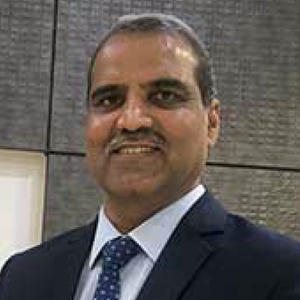
Mr Sujit Patheja, Director – Smart Cities & Urban Governance, SAP India
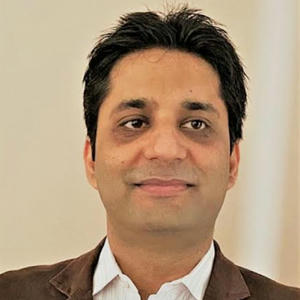
Dr M Ramachandran, Distinguished Fellow, SKOCH Development Foundation & Former Secretary, Government of India
Dr Shefali Dash, Distinguished Fellow, SKOCH Development Foundation & Former Director General, National Informatics Centre
Mr Sameer Kochhar
Chairman, SKOCH Group
Reforms historian and author of best-seller ModiNomics, Sameer Kochhar is Chairman, SKOCH Group. He is a passionate advocate of social, digital and financial inclusion and is a foremost expert on governance and inclusive growth. His work has been acclaimed globally and endorsed by Mr Narendra Modi, Mr M Venkaiah Naidu, Dr Manmohan Singh, Mr Arun Jaitley, Mr P Chidambaram, Mr Yashwant Sinha, Dr C Rangarajan and Dr Montek Singh Ahluwalia and so on. In his thinking and writings and activities, his profound admiration for India's economic reforms and in extension, those outstanding personalities who strive to make these reforms more meaningful and broad-based comes out clear and unambiguous.
View MoreDr M Ramachandran
Distinguished Fellow, SKOCH Development Foundation and Former Secretary, Government of India
As Secretary, Urban Development, he spearheaded the JNNURM. Earlier as Chief Secretary, Uttaranchal, he was identified as the “Infrastructure Man”, where he took several new initiatives, including public-private partnership projects, lining up $1 billion Asian Development Bank assistance for the Power, Road and Urban Sectors, $120 million World Bank assistance for the Drinking Water sector and so on.
Dr Deepali Pant Joshi
Distinguished Fellow, SKOCH Development Foundation, Member, Executive Council, University of Allahabad & Former ED, Reserve Bank of India
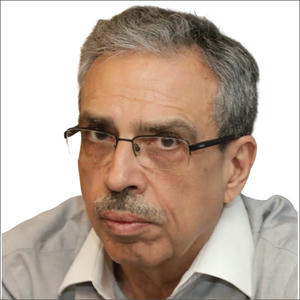
Mr Bhushan Mohan
Senior Fellow, SKOCH Development Foundation & Former Principal Consultant, NeGD
Mr Suresh Kakani
Additional Municipal Commissioner, The Municipal Corporation of Greater Mumbai
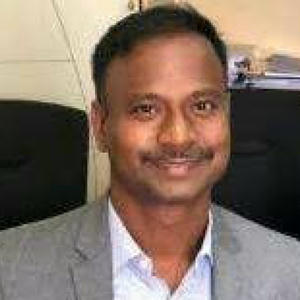
Mr Binod Kumar
Municipal Commissioner, Municipal Corporation Kolkata
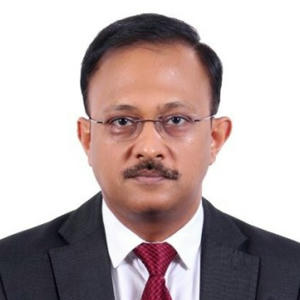
Mr Gaurav Gupta
Chief Commissioner, Bruhat Bengaluru Mahanagara Palike
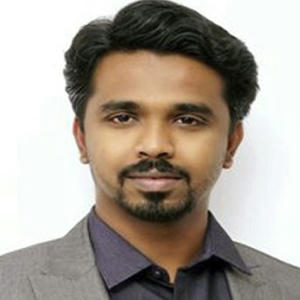
Mr V Prasanna Venkatesh
Municipal Commissioner, Municipal Corporation Vijaywada
1335 - 1405
View From The Cities: Varanasi
The session focused on lessons from the second COVID wave and preparedness for a possible third wave in Varanasi and Uttar Pradesh.
Gaurang Rathi explained that COVID management should work like a human body, with coordinated systems for track, test and treat.
He highlighted the role of the Kashi Integrated Command and Control Center in managing complaints, testing, ambulances, hospitalization and home isolation.
A major lesson from wave two was the need for trained manpower, backup staff, civil society participation and decentralized response systems.
The Nigrani Samiti model was presented as a key mechanism for local monitoring, support and coordination at the grassroots level.
Oxygen supply, pediatric preparedness and stronger primary health centers were identified as major priorities for future readiness.
Panelists emphasized that awareness creation, citizen feedback and institutionalized participation are essential for effective COVID governance.
They also stressed the use of digital technology to capture public feedback, analyze local needs and ensure quicker policy response.
Mr Gaurang Rathi, Municipal Commissioner, Municipal Corporation Varanasi
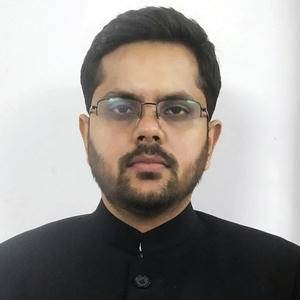
Dr M Ramachandran, Distinguished Fellow, SKOCH Development Foundation & Former Secretary, Government of India
Dr Deepali Pant Joshi, Distinguished Fellow, SKOCH Development Foundation & Former Executive Director, Reserve Bank of India
Mr Sujit Patheja, Director – Smart Cities & Urban Governance, SAP India
Mr Sujit Patheja
Director – Smart Cities & Urban Governance, SAP India
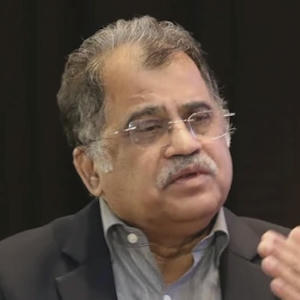
Mr G B Panda
Senior Fellow, SKOCH Development Foundation &
Senior Adviser, NITI Aayog
Dr Shefali Dash
Distinguished Fellow, SKOCH Development Foundation & Former Director General, National Informatics Centre
Dr. (Mrs.) Shefali S. Dash is a Ph.D in Physics & Former Deputy Director General, National Informatics Centre, New Delhi. Her Areas of Specialization are Planning and implementation of Management Information Systems (MIS) and Decision Support Systems (DSS), development and implementation of e-Governance programmes, Informatics Development Services and Setting up of Computer Centres, Local Area Networks and computer communication infrastructure in rural areas. She has Implemented a number of large scale projects like the Rajiv Gandhi National Drinking Water Mission computerization Project, Community Information Centre Project, GRAMSAT Project, Warana Wired Village Project, Project Arrow of Department of Post, Setting up of Wide Area Network for connecting all the post offices in the country, Setting up of National Consumer Call Preference Registry for TRAI, Project Nikshaya for Ministry of Health etc. She has been instrumental in preparing e-Governance Plans for various State Governments in India as well as for the Government of Lao PDR.
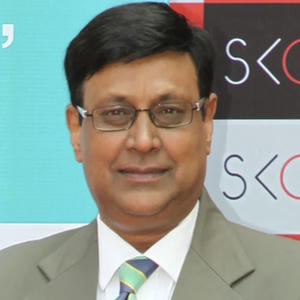
Mr Nirmal Bansal
Senior Fellow, SKOCH Development Foundation & Former Banker
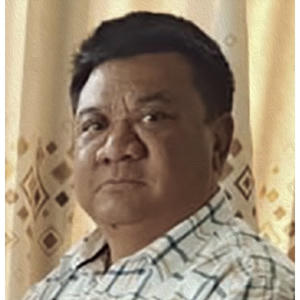
Mr Lal Rothanga
Chief Executive Officer, Aizawl Smart City Limited
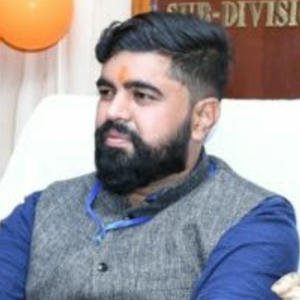
Mr Aashutosh Chaturvedi
Municipal Commissioner, Municipal Corporation Rajnandgaon
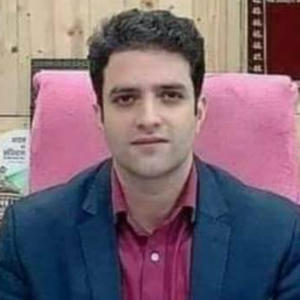
Mr Athar Aamir Khan
Municipal Commissioner, Srinagar Municipal Corporation
Mr Gaurang Rathi
Municipal Commissioner, Municipal Corporation Varanasi
1435 - 1505
View From The Cities: Kolkata
The session highlighted Kolkata’s response to the COVID-19 pandemic under the leadership of the Kolkata Municipal Corporation. Municipal Commissioner Binod Kumar explained how the city adopted a strategy of test, track, treat, and vaccinate, with a strong focus on large-scale testing and rapid isolation to control infection spread. Kolkata established borough-level call centers, Safe Homes for mild cases, and extensive sanitization drives to manage the crisis. A key innovation was the WhatsApp-based COVID Vaccine Registration (CVR) chatbot, which simplified vaccine slot booking and improved citizen experience. The city significantly expanded vaccination infrastructure from 20 to around 280 centers, vaccinating over 34 lakh people, including non-residents. Officials also addressed vaccine hesitancy through leadership by example, with senior administrators getting vaccinated first. The discussion emphasized the importance of technology-driven governance, citizen engagement, and healthcare infrastructure strengthening. Panelists also explored how Kolkata’s digital initiatives could be replicated in smaller cities and municipalities to improve pandemic response.
Mr Binod Kumar, Municipal Commissioner, Municipal Corporation Kolkata
Mr Sujit Patheja, Director – Smart Cities & Urban Governance, SAP India
Dr M Ramachandran, Distinguished Fellow, SKOCH Development Foundation & Former Secretary, Government of India
Dr Shefali Dash, Distinguished Fellow, SKOCH Development Foundation & Former Director General, National Informatics Centre
1505 - 1535
View From The Cities: Bengaluru
This session focused on Bengaluru’s response to COVID-19, with BBMP Chief Commissioner Gaurav Gupta outlining how the city managed the second wave and prepared for a possible third wave. He highlighted the sharp rise in cases, the rapid scaling of data systems, integrated command centers, bed allocation, oxygen management, and public communication efforts. Bengaluru’s strategy emphasized vaccination, COVID-appropriate behavior, pediatric preparedness, and strong collaboration with the private sector, hospitals, hotels, apartment associations, and corporates. Panelists raised questions on political pressures, reasons for the surge, the effective use of data, and the role of CSR in strengthening long-term urban health systems. Concerns were also expressed about children, non-COVID patients, migrant workers, vulnerable groups, and the wider economic fallout of the pandemic. Technology experts stressed that Bengaluru is well placed to institutionalize data-driven governance, improve asset and inventory management, and build stronger citizen engagement systems. The discussion broadened into the need to document not only successful interventions but also failures, so that cities can learn what worked and what did not. Speakers recommended creating replicable case studies, predictive governance models, standard operating procedures, and district-level rapid response teams for future health or bio-emergencies. Overall, the session concluded that Bengaluru’s experience offers valuable lessons in preparedness, coordination, and technology-enabled urban governance for other Indian cities.
Mr Gaurav Gupta, Chief Commissioner, Bruhat Bengaluru Mahanagara Palike
Dr M Ramachandran, Distinguished Fellow, SKOCH Development Foundation & Former Secretary, Government of India
Dr M Ramachandran, Distinguished Fellow, SKOCH Development Foundation & Former Secretary, Government of India
Mr Sujit Patheja, Director – Smart Cities & Urban Governance, SAP India
Mr G B Panda, Senior Fellow, SKOCH Development Foundation & Senior Adviser, NITI Aayog
1730 - 1840
Spotlight Districts
The session focused on how districts across India responded to the COVID-19 second wave and their preparedness for a possible third wave. District administrators shared practical experiences in expanding healthcare infrastructure, including ICU beds, oxygen supply systems, pediatric facilities, and COVID care centers. Several districts highlighted the use of technology such as dashboards, teleconsultation, call centers, and video communication with patients’ families to improve monitoring and transparency. Participants also emphasized decentralized strategies like village-level committees, crisis management groups, and community volunteers to track cases and support home isolation. Vaccination drives emerged as a key priority, with innovative approaches including mobile vaccination teams, local influencer campaigns, and community leaders leading by example. Districts in remote regions discussed overcoming logistical challenges such as poor connectivity and difficult terrain while ensuring testing, treatment, and vaccination. The discussion also highlighted lessons from the second wave, particularly the need for proactive planning, sustained testing, and strengthening oxygen and manpower capacity. Overall, the panel concluded that districts are significantly better prepared through stronger infrastructure, community participation, and accelerated vaccination efforts.
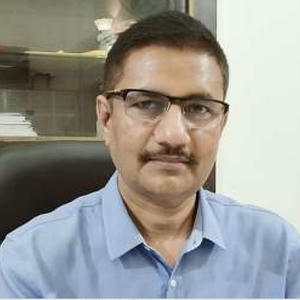
Mr Nirmal Bansal
Senior Fellow, SKOCH Development Foundation & Former Banker
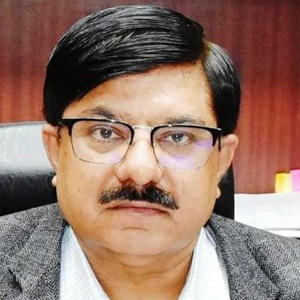
Mr Jaibir Singh Arya
Deputy Commissioner, District Administration Bhiwani
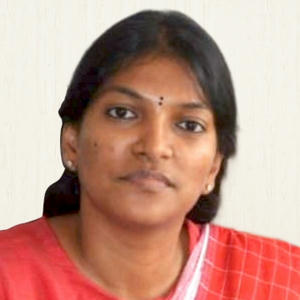
Ms Keerthi Jalli
Deputy Commissioner
District Administration Cachar
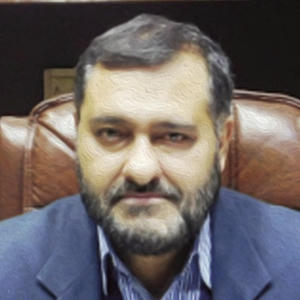
Mr Tej Partap Singh Phoolka
Deputy Commissioner, District Administration Barnala
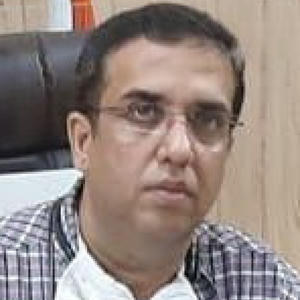
Mr Vaibhav Srivastava
Collector & District Magistrate, District Administration Raebareli
Ms Ayushi Sudan
Deputy Commissioner, District Administration Anjaw
Mr Chandra Mohan Thakur
Collector & District Magistrate, District Administration Anuppur
Dr Priyanka Soni
Deputy Commissioner, District Administration Hisar
Dr K Senthil Raj
Collector & District Magistrate, DRDA Thoothukudi
Mr Ikram
Chief Executive Officer, Zilla Panchayat Ramanagar