SKOCH Summit




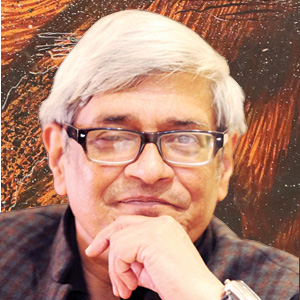
Dr Bibek Debroy
Chairman, Economic Advisory Council to the Prime Minister
Dr Debroy is currently Chairman, Prime Minister Economic Advisory Council Debroy was also Member, NITI Aayog up to 5th June 2019. He has authored/edited several books, papers, and popular articles and has also been a Consulting/Contributing Editor with several newspapers.
Debroy was the Secretary General of the PHD Chamber of Commerce and Industry in Northern India and a columnist with the Indian Express, the Business Standard and the Financial Express. He is now a Contributing Editor with the Indian Express and a Professor with the International Management Institute in Delhi.
He was Director at the Rajiv Gandhi Institute for Contemporary Studies, Rajiv Gandhi Foundation, in New Delhi, between 1997 and 2005. Debroy was educated in Presidency College, Kolkata, Delhi School of Economics and Trinity College, Cambridge. He has worked at Presidency College Kolkata, Gokhale Institute of Politics and Economics (Pune), Indian Institute of Foreign Trade (Delhi), National Council of Applied Economic Research (Delhi) and as Consultant, Department of Economic Affairs, Ministry of Finance, Government of India. He was also the Director of a project known as LARGE (Legal Adjustments and Reforms for Globalizing the Economy), set up by the Ministry of Finance and UNDP to examine legal reforms.
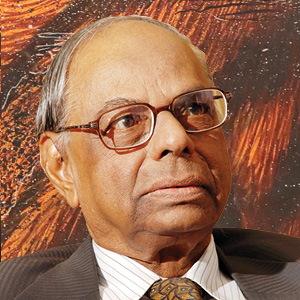
Dr C Rangarajan
Former Chairman
Economic Advisory Council to the Prime Minister
Dr C Rangarajan is amongst the tallest figures in the Indian reforms history. A humble and a simple man who has made long-term contributions and brought about major transformations. His achievements are immense both in academia as well as the government. He taught at Wharton and IIM-Ahmedabad.
He has been a Member of the Planning Commission, Governor of Reserve Bank of India, Governor of Andhra Pradesh, Chairman of 12th Finance Commission and Chairman of Prime Minister’s Economic Advisory Council besides a brief stint at the Rajya Sabha.
As Chairman, PM-EAC he drove the Inclusive Growth agenda besides bringing his wisdom to bear to bring the Planning Commission and the Ministry of Finance on the same page, if ever the need arose.
He was conferred SKOCH Lifetime Achievement Award in 2007 and the SKOCH Group had the privilege of making a biographical film on him and also edit a festschrift in his honour. The then Prime Minister, Dr Manmohan Singh wrote the Foreword to the book and the then Governor of RBI, Dr Y V Reddy contributed a paper besides several other luminaries.
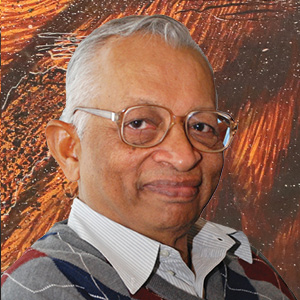
Dr N C Saxena
Distinguished Fellow, SKOCH Development Foundation and Former Secretary, GoI
Dr. N.C. Saxena is a former Secretary to the Government of India and a distinguished civil servant known for his significant contributions to the Indian government. Over the course of his career, Dr. Saxena has held key positions in various sectors, including rural development, planning, and public administration. He played an instrumental role in shaping policy and spearheading numerous initiatives aimed at improving governance and development at the grassroots level. Dr. Saxena's work has had a lasting impact on India's development programs, particularly in areas related to poverty alleviation, rural employment, and social welfare.
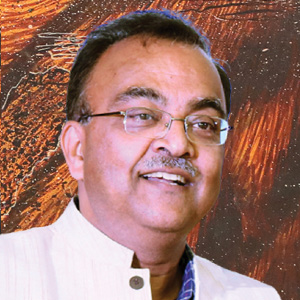
Mr Amarjeet Sinha
Former Union Secretary, Government of India
Shri Amarjeet Sinha (DoB – 04th December 1959) is a Graduate in History. He is a 1983 batch IAS Officer of the Bihar Cadre holding the post of Secretary, Ministry of Rural Development, Government of India.
He has over 30 years of experience in government, largely in the social sector. He has had the unique distinction of having played a major role in designing Sarva Shiksha Abhiyan (India’s main program for universal elementary education) and the National Rural Health Mission. He has also been training Indian Administrative Service Officer Trainees at the Lal Bahadur Shastri National Academy of Administration, Mussoorie on the social sector over the last one and a half-decade.
Amarjeet has published seven books and a large number of articles in publications such as The Lancet, Economic and Political Weekly, Economic Times, The Hindu, The Business Standard, The Hindustan Times, etc. His latest book, “An India for Everyone – A Path to Inclusive Development”, was released by Nobel Laureate Amartya Sen on February 2013.
Amarjeet has also served as the Education/Human Development Adviser with the Department for International Development, Government of the United Kingdom, 2001-2005. He has been a field officer in tribal Singhbhum district of Jharkhand and in the extremist affected Jehanabad district of Bihar. He was associated with the design of the Bihar Education Project, the first EFA project after the Jomtien declaration 1990, on Education for All. He has been conferred the Honorary Fellowship of the Indian Public Health Association and is a Member of the International Independent Review Committee of the Global Alliance for Vaccines and Immunization (GAVI). He has carried out many assignments for international agencies like UNICEF, UNDP, DFID, WHO, etc.
Amarjeet was nominated as a Member of the High-Level Expert Group on Universal Health Coverage and a Member of the Inter-Ministerial Group on Malnutrition and ICDS reform. He had also served as the Member Secretary of the Tapas Majumdar Committee for estimating the resource requirement for Universal elementary education, and on a Sub Group on Education Management in the Acharya Ramamurti Education Commission. Amarjeet is an Adjunct Faculty with the Public Health Foundation of India and a Member of the Research Advisory Council of the Azim Premji University and of the Board in the Public Health Foundation of India’s institution at Bhubaneshwar.
A student at St. Stephen’s College, Amarjeet topped the Delhi University and is a recipient of the National Talent Scholarship, the Rhodes Scholarship, and the Oxford Cambridge Society of India Scholarship.
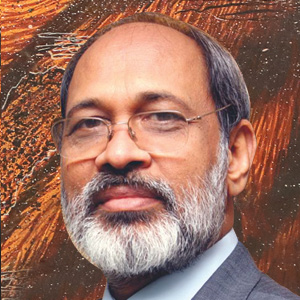
Dr M Ramachandran
Distinguished Fellow, SKOCH Development Foundation and Former Secretary, Government of India
As Secretary, Urban Development, he spearheaded the JNNURM. Earlier as Chief Secretary, Uttaranchal, he was identified as the “Infrastructure Man”, where he took several new initiatives, including public-private partnership projects, lining up $1 billion Asian Development Bank assistance for the Power, Road and Urban Sectors, $120 million World Bank assistance for the Drinking Water sector and so on.
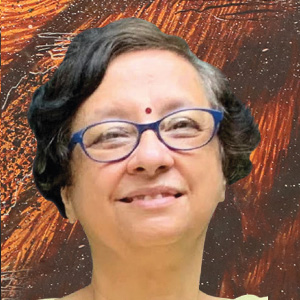
Dr Deepali Pant Joshi
Former Executive Director, Reserve Bank of India
Dr Deepali Pant Joshi is a development economist who served the RBI for 36 years. She was closely associated with policy formulation in the area of rural credit. She was elevated as Executive Director in 2013 and held charge of the Rural Credit, Consumer Protection, Righto To information, Legal and Currency portfolios. She is passionate about the need for strengthening grass root level institutions, and on issues of equity and gender. She has made significant contributions in these areas. She has also written and lectured extensively. She was the RBI nominee on the G-20 Committee on Financial Inclusion. She has a continuing engagement with these issues.She has six books on Poverty and Sustainable development, on Financial Inclusion, Microfinance for Macro change and the one closest to her heart on corporate Governance and Gender Leadership, Dare to Lead.
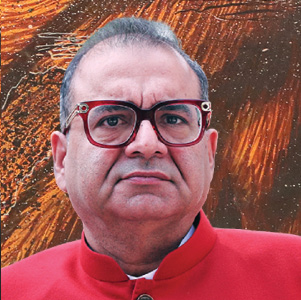
Mr Sameer Kochhar
Chairman, SKOCH Group
Reforms historian and author of best-seller ModiNomics, Sameer Kochhar is Chairman, SKOCH Group. He is a passionate advocate of social, digital and financial inclusion and is a foremost expert on governance and inclusive growth. His work has been acclaimed globally and endorsed by Mr Narendra Modi, Mr M Venkaiah Naidu, Dr Manmohan Singh, Mr Arun Jaitley, Mr P Chidambaram, Mr Yashwant Sinha, Dr C Rangarajan and Dr Montek Singh Ahluwalia and so on. In his thinking and writings and activities, his profound admiration for India's economic reforms and in extension, those outstanding personalities who strive to make these reforms more meaningful and broad-based comes out clear and unambiguous.
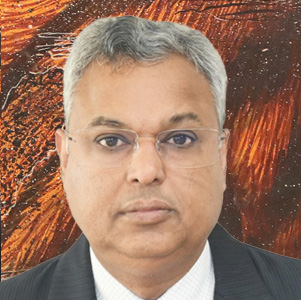
Dr Saurabh Garg
Secretary, Social Justice & Empowerment
Dr. Saurabh Garg is the Secretary of the Ministry of Statistics and Program Implementation, Government of India. An IAS officer of Odisha Cadre, Dr Garg has held key positions, including Secretary of Social Justice and Empowerment and CEO of the Unique Identification Authority of India (UIDAI). He played a pivotal role in enhancing Aadhar’s technology infrastructure and driving digital solutions for agriculture and farmers’ welfare in Odisha. With a Ph.D. in International Economics from Johns Hopkins University, an MBA from IIM Ahmedabad, and a B.Tech. from IIT Delhi, Dr. Garg brings rich expertise in public policy, digital transformation, and economic development.
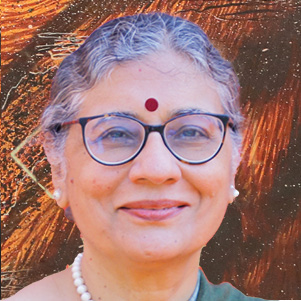
Prof Rama V Baru
Professor, Public Health - Jawaharlal Nehru University (JNU)
Rama V Baru’s academic pursuits have focused on health policy, international health, privatisation of health services and inequalities in health. She has published extensively on private healthcare and health services at school level in India. She is a rare academic with ground-level experience, whose expertise has been sought by the Government of India, World Health Organisation and Indian Council for Medical Research. She also engaged with UNDP. She has supported research at the Centre of Social Medicine and Community Health, Jawaharlal Nehru University, outside the confines of a medical college so that it could enrich itself through wider interaction with various disciplines of natural and social sciences. Baru has also worked on provider payment mechanisms on health system performance in light of the public sponsored health insurance schemes.
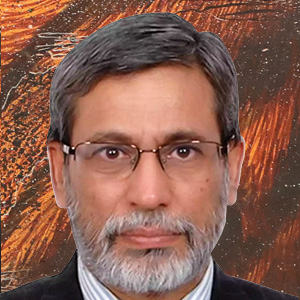
Mr Siraj Hussain
Former Union Agriculture Secretary
Siraj Hussain is currently a Senior Visiting Fellow at Indian Council for Research on International Economic Relations (ICRIER). He joined the Indian Administrative Service in 1979 and has served the Government of Uttar Pradesh in various capacities including District Magistrate, Managing Director, State Industrial Development Corporation, Registrar of Cooperative Societies, and Secretary to Chief Minister. In the Government of India, he has worked as Joint Secretary, Department of Food and Public Distribution and Chairman and Managing Director of Food Corporation of India (FCI). He was posted as Union Secretary in the Ministries of Food Processing Industries and Agriculture. Several schemes of the first Modi government were formulated under his supervision as Secretary, Agriculture. He has authored several research papers on agriculture and the rural economy and his columns have been published in several newspapers and online portals.
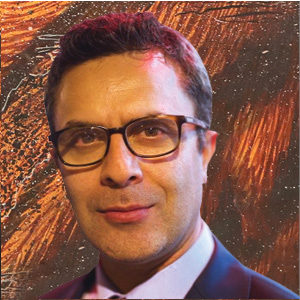
Mr Salman Anees Soz
Economist, Author and Commentator
Salman Anees Soz is an economic development consultant, author and commentator. He has extensive experience across a range of economic development issues in Eastern Europe and Central Asia, Middle East and North Africa, Sub-Saharan Africa and South Asia. He serves as a consultant to multiple World Bank teams and was previously a consultant at the Asian Development Bank. He is a recipient of the World Bank President’s Award for Excellence. His commentaries appear in a avriety of media outlets. He also speaks on politics, economics and international affairs at universities, think tanks and conferences. He is Deputy Chairman of the All India Professionals’ Congress and serves as an advisor to other institutions. He holds a master’s degree in business administration from Yale University, a master’s degree in economics from Northeastern University, and a BA (Hons.) in economics from St. Stephen’s College, where he was the president of the Students’ Union Society.
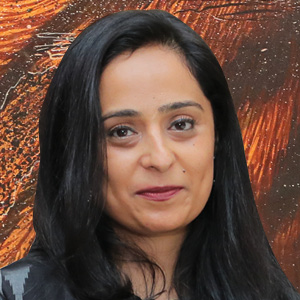
Ms Radhicka Kapoor
Visitng Professor
Indian Council for Research on International Economic Relations (ICRIER)
Radhicka Kapoor has contributed extensively to research on areas including poverty and inequality, labour economics and industrial performance. Over the last five years, she has worked extensively on the various facets of India’s labour market, in particular, in the areas of the informal sector, the impact of technological changes on the world of work and the measurement of employment and unemployment. An alumnus of London School of Economics, where she obtained her PhD, Radhicka’s focus has remained on a just, dignified and secure future of work – something which inspired her to direct her research on these areas. Moving away from the existing literature that focuses on the use of contract labour under rigid employment protection legislation, she has alternatively focused on contract labour’s strategic advantages to the organised sector.
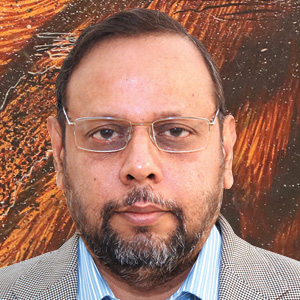
Prof S Mahendra Dev
Chairman, Economic Advisory Council to the Prime Minister (EAC-PM)
He served as Director and Vice Chancellor of IGIDR, Mumbai (2010–2022) and earlier chaired the Commission for Agricultural Costs and Prices. He was Vice Chairman of IFPRI’s Board, a member of the National Statistical Commission, and Director of CESS, Hyderabad. He has 150 publications, 23 books, and has advised global agencies and Indian government committees. He has received several awards, including the Malcolm Adisesaiah Award.
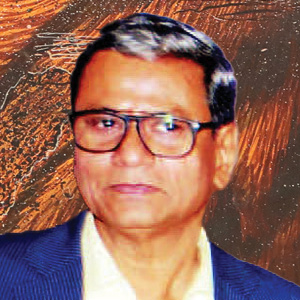
Mr Tamal Bandyopadhyay
Autor & Economist
An author and an award-winning journalist, is well known for his weekly column, Banker’s Trust, which now appears every Monday in Business Standard. He is also one of the members of the founding team of Mint, a business daily brought out by HT Media Ltd. In his earlier assignment, he was advising Bandhan Bank on its transformation from a microfinance institution to a universal bank.
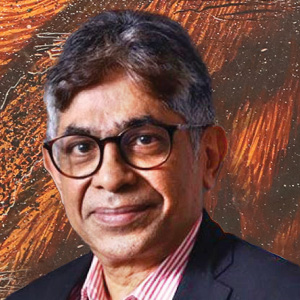
Mr T Koshy
Founding MD & CEO, Open Network for Digital Commerce (ONDC)
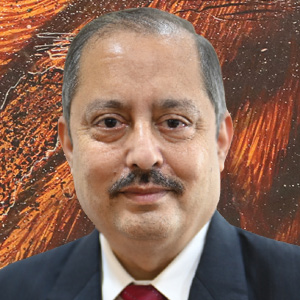
Mr Alok Mishra
CEO & Director, Microfinance Industry Network (MFIN)
Alok Misra has around 28 years of professional experience in international development, rural finance, microfinance, inclusive finance and research at both policy and implementation level.
Dr Misra has worked globally across 22 countries and with premier institutions like NABARD, NCDEX and MDI. He has provided consulting to ADB, UNCDF, World Bank, IFC, IDLO, Rabo Bank among others. Currently, he is a member of SMART Campaign Accreditations committee, Inclusive Finance India Group of Advisors and member of digital finance working group constituted by ITU, Geneva.
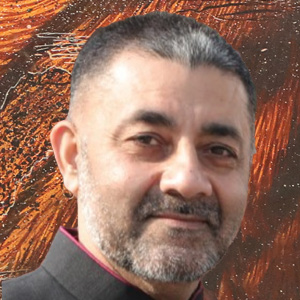
Dr Gursharan Dhanjal
Vice Chairman, SKOCH Group
Dr Gursharan Dhanjal, MA, M.Phil, PhD from Delhi University, an expert in development economics. He is Vice Chairman, SKOCH Group. He is also Editor of INCLUSION—a quarterly publication that focuses on inclusive growth related areas. He has led various research projects, impact assessments and field studies in MSMEs, women empowerment, entitlements, rights, sanitation, social inclusion, health, financial inclusion, e-governance and ICT for development that included traversing across the country, collecting citizen voices for over two decades now. A prolific writer, Dr Dhanjal has contributed over 200 columns in leading national dailies including The Hindustan Times, The Times of India, The Financial Express and The Pioneer. He has published research papers in several journals of repute in addition to authoring following widely acclaimed books: Tarapur: The Politics of Nuclear Age; and, Infrastructure and Governance. He was member of the Working Group on ICT in Higher Education constituted by Planning Commission for the 12th Five Year Plan.
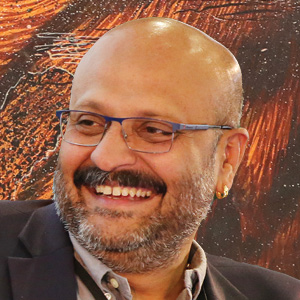
Dr Amit Kapoor
Honorary Chairman, Institute of Competitiveness
Amit Kapoor’s contribution in setting up the Institute for Competitiveness has led to pioneering competitiveness benchmarking, measurement and index efforts in India. His works, like the Ease of Living Index, Municipal Performance Index, Innovation Index, Export Performance Index, Ease of Living Index for Elderly and Social Progress Index have shaped the policy discussions in the government and private sector. In particular, the Ease of Living Index has been used as an assessment tool by the Ministry of Housing and Urban Affairs, leveraged by smart cities all over the country. These indices have prolifically raised the country’s competitive spirit, providing a robust framework that States and UTs can refer to and resolve development challenges. In the preparation of the Competitive Roadmap for India@100, Kapoor has carried out the vital tasks of implementing the analysis of Indian data sources and working on competitiveness diagnostic, among others.
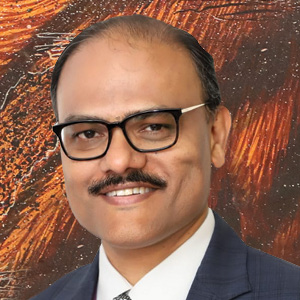
Mr Ajay Thakur
Head - SME, BSE Limited
He is credited for launching the first ever SME Platform and Startup Platform in India on 13th March, 2012 and 22 December, 2018 respectively. BSE today is the largest SME Platform in India with 325 companies listed and 55 companies are in pipeline. These 325 companies listed represent 17 sectors which has raised an amount of Rs.3340.36 crores with market capitalization of Rs. 18,528.71 crores. BSE has got 5 Startups listed in its Startup Platform which has raised 22.24 crores with market capitalization Rs 82.71 crores. There are another 5 Startups which are in pipeline to get listed. The success of these platforms has been recognized and appreciated by national and international organizations.
In one of the annual issues of 2013, Asian Development Bank (ADB) has appreciated the effort of BSE SME for promoting SME listing in India. IOSCO also in its research report of July 2015 mentioned that BSE SME platform is the most cost effective platform for SME listing in the World. BSE SME has received SKOCH achiever award from the hands of then, Minister of State for finance Shri Jayant Sinha in the year 2015. BSE has been also awarded as the best SME exchange in India by Shri Kalraj Mishra, then Minister for MSME in 2016 and from SP Jain Institute of Management and Research as CHANGE AGENT in the year 2018. Mr. Ajay thakur is also on various committees viz, India SME Forum and CII MSME Committee.
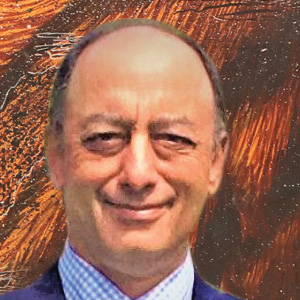
Mr Ajay Chhibber
Senior Visiting Professor, ICRIER
Dr Ajay Chhibber is Senior Visiting Professor at the Indian Council for Research on India’s Economic Relations (ICRIER), New Delhi, Distinguished Visiting Scholar, Institute for International Economic Policy (IIEP), George Washington University, Washington D.C. He served earlier as Assistant Secretary General, UN and Assistant Administrator, UNDP and in senior positions at the World Bank.
His latest book co-authored with Salman Soz “Unshackling India: Hard Truths and Clear Choices for Economic Revival “Harper-Collins was declared the Best New Book in Economics for 2022 in the Financial Times and was awarded the India Economic Forum Literary Award for 2022.
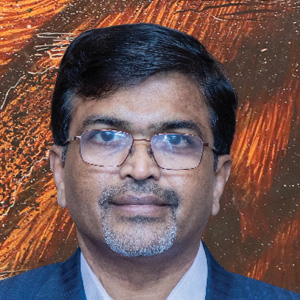
Mr Jiji Mammen
CEO, SA-DHAN
Mr Jiji Mammen is an industry veteran with over 36 years of experience in microfinance, agriculture and rural development. He was earlier the Managing Director of NABFINS, an NBFC MFI promoted by NABARD. He was the founder, MD & CEO of Micro Units Development and Refinance Agency Ltd. (MUDRA), an NBFC formed to support the flagship programme of Govt. of India, viz. Pradhan Mantri Mudra Yojana for three years from 2015. He has been CGM at NABARD, heading the regional offices in Rajasthan, Andhra Pradesh and Telangana. Mr. Mammen was also the country head of the Department of Refinance in NABARD.
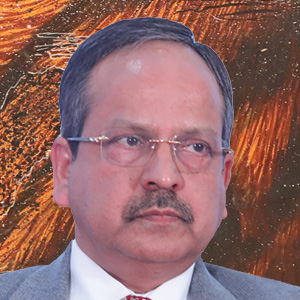
Dr V N Alok
Indian Institute of Public Administration (IIPA)
Dr. V.N. Alok is a Professor at the Indian Institute of Public Administration (IIPA), a premier institution dedicated to public administration and governance studies in India. With a strong academic and research background, Dr. Alok specializes in areas such as public policy, governance reforms, and administration. His work focuses on improving public sector management and enhancing the efficiency of government programs. As a faculty member at IIPA, Dr. Alok has contributed significantly to shaping the understanding of public administration in India, mentoring future leaders in governance and policy implementation. His research and teachings continue to influence public administration practices across the country.
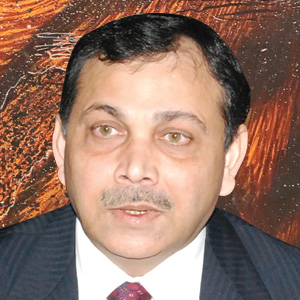
Mr Ram Rastogi
Payments Expert
Dr. V.N. Alok is a Professor at the Indian Institute of Public Administration (IIPA), a premier institution dedicated to public administration and governance studies in India. With a strong academic and research background, Dr. Alok specializes in areas such as public policy, governance reforms, and administration. His work focuses on improving public sector management and enhancing the efficiency of government programs. As a faculty member at IIPA, Dr. Alok has contributed significantly to shaping the understanding of public administration in India, mentoring future leaders in governance and policy implementation. His research and teachings continue to influence public administration practices across the country.
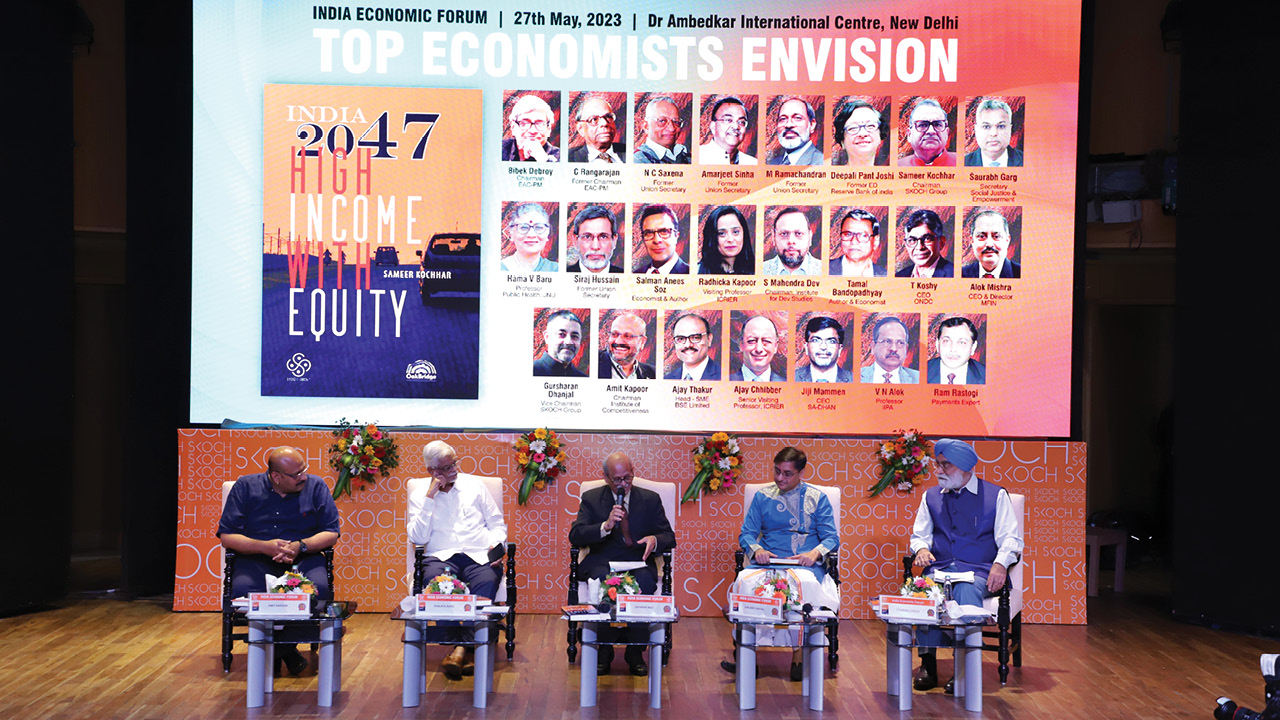
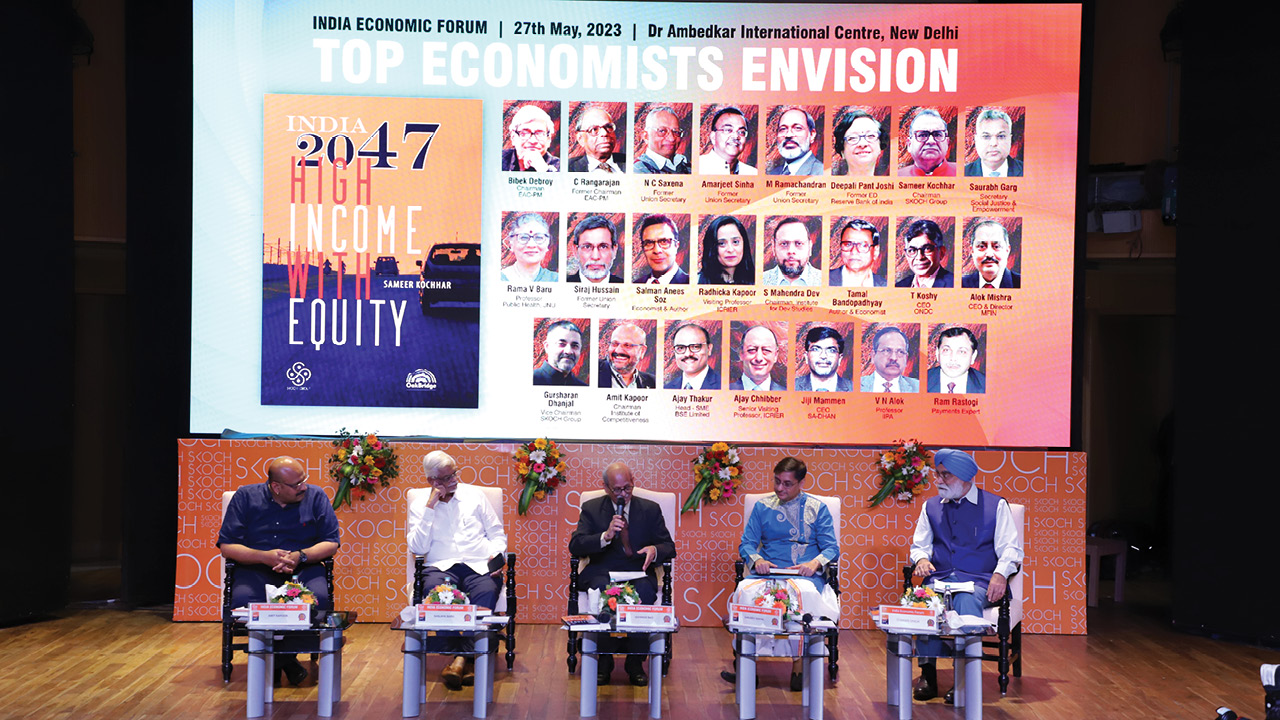
Moderator: Dr Gursharan Dhanjal, Vice Chairman, SKOCH Group
India Economic Forum - Curtain Raiser
Opening Remarks: Mr Sameer Kochhar, Reforms Historian, Author of ModiNomics and Chairman, SKOCH Group
Summary: The speaker says they may not be an economist, but their views come from lived experience of poverty and the hard choices it forces. They describe growing up in Paharganj where even ₹50 meant deciding between electricity bills, school fees, or medical care. They argue that debates on freebies must consider real needs, because only those who have lacked basics truly understand their value. They question who gets to decide what counts as “merit” or “non-merit” goods, especially for essentials like water and electricity. They believe freebies are not always wrong, but must be better targeted to those who genuinely need support. The speaker connects this to India’s vision of inclusive growth and says the real nation-builders are grassroots institutions and ordinary people. They conclude that SKOCH exists to recognize and celebrate these “little successes” that will help India reach its 2047 development goal.*
View Full Transcript
Mr Ravinder Singh Dhillon, CMD, Power Finance Corporation (PFC)
Summary: The speaker thanks SKOCH Group for the award and expresses gratitude to the entire PFC team for their support. They highlight that Power Finance Corporation is the largest NBFC in the country and holds Maharatna status. They explain PFC’s major role in financing India’s power sector, covering generation, transmission, and distribution. The speaker notes that PFC has funded over 230 gigawatts of installed capacity. They add that for the last six to seven years, PFC has also been supporting renewable energy at scale. They conclude by emphasizing PFC’s contribution to the energy transition and mention recognition through Golden Shield awards for financial reporting.*
View Full Transcript

Dr Amit Kapoor, Honorary Chairman, Institute for Competitiveness
Summary: The speaker thanks Sameer and SKOCH and says it is a pleasure to receive the award. They express deep respect for Dr Debroy, calling him the one person they would most like to emulate in life, and say it is an honor to receive the award from him. They acknowledge three key mentors and collaborators—Richard Dasher from Stanford, Michael Porter, and Christian from Harvard—who guided their work on competitiveness. The speaker also thanks their wife for support throughout the journey. They express gratitude to their past teachers, including Dr Balaji, Dr Vaidya, and Dr Pritam Singh. They also mention Amitab Khan for believing in their work, and conclude by thanking Dr Debroy for consistently supporting them.*
View Full Transcript
Prof Lekha S Chakraborty, Professor, NIPFP and Elected Member, Governing Board, IIPF
Summary: The speaker announces the SKOCH award for monetary policy, which is being given to Professor Chakraborty, who is joining virtually. They congratulate the awardee and mention that he has confirmed acceptance and would like to say a few words. The speaker reflects that many discussions can become nonsense unless action is taken in time. They refer to a broader dream of a self-defined government and an integrative approach toward the future. They note that economics discussions often drift into business talk, but the focus should remain on policy. They emphasize the importance of understanding society’s stages and building policies and rules accordingly. They close by thanking everyone.*
View Full Transcript

Dr Charan Singh, CEO & Founder Director, EGROW Foundation and Non-Executive Chairman, Punjab & Sind Bank
Summary: The speaker thanks Sameer and Professor Debroy for the award and says it is a timely recognition of their work. They emphasize their long-standing focus on inflation targeting as a core element of monetary policy. They also highlight the importance of combining monetary policy thinking with demographics, which they say has not been done anywhere in the world. The speaker points to India’s multiple-indicator approach as an important framework. They argue that recent aggressive interest rate hikes in the US and other advanced economies show monetary policy research on inflation is still inadequate. They conclude by saying India’s economists can contribute significantly and call for revisiting the Cambridge equation as a key foundation of monetary policy.*
View Full Transcript

Mr Sanjeev Sanyal, Member, Economic Advisory Council to the Prime Minister
Summary: The speaker says they are honored to be considered for the prestigious award in Economic Policy. They add that it is especially meaningful to receive it from Vivekda, whom they regard as a mentor and guru. They accept the award on behalf of their young team of professionals and consultants. The speaker emphasizes that the next generation of policy makers is already on the way and assures the audience of their excellence. They believe many of these young policy makers will soon be standing on the same stage in the coming years. The speaker also acknowledges the challenges faced by policy makers, noting that everyone has strong opinions, success is rarely remembered, but mistakes are never forgotten.*
View Full Transcript

Acceptance Speech by Dr M Govinda Rao, Councillor, Takshashila Institution and Former Member 14th Finance Commission, Government of India
Summary: The speaker expresses deep gratitude for the Lifetime Achievement Award, noting it came as a surprise due to their low-profile career. They describe their journey from a remote rural village with limited resources to a lifelong career in economic research. They highlight over 50 years of work in public finance, tax policy, and fiscal federalism. The speaker acknowledges the mentors, colleagues, and institutions that shaped their work. They note their role in the introduction of service tax and early thinking on GST. They conclude by reaffirming their commitment to continue research and writing while thanking the SKOCH family.*
View Full Transcript

Dr Bibek Debroy, Chairman, Economic Advisory Council to the Prime Minister
Summary: The speaker says they made time to attend, even on a rainy Saturday, because their friend Govinda Rao was receiving a Lifetime Achievement Award. They reflect that both Govind and they come from a post-Independence generation shaped by shortages, including growing up without electricity and tap water. They describe how that generation often carried the burden of defending India’s image abroad. Looking ahead, they call 2047 an aspirational goal and note that no one can truly predict what India will be like then. They argue that India’s economic size and strategic clout will be very large by 2047, regardless of forecasts. While many reforms will not happen because reforms create winners and losers, they conclude that India in 2047 will still be remarkably different, with new leaders and new challenges.*
View Full Transcript
Dr M Govinda Rao
Councillor, Takshashila Institution and Former Member, 14th Finance Commission, Government of India
Dr M Govinda Rao is an economist and a member of the 14th Finance Commission. Dr. Rao has previously served as the Director of the National Institute of Public Finance and Policy and as the Director of Institute for Social and Economic Change. He was a Member of the Economic Advisory Council to the Prime Minister.
Prof Lekha S Chakraborty
Professor, NIPFP and Elected Member, Governing Board, IIPF
Lekha S. Chakrabarty’s works on macroeconomic policies and gender have made tremendous contributions to incorporating gender concerns in public finance. Gender Budgeting has proven an effective tool for promoting gender equality across the world, and embraced by institutions such as the IMF. A comprehensive and in-depth study of Gender Budgeting provided by her shows how it can be implemented in the Asian-Pacific region for addressing inequalities. Her efforts were extremely instrumental in the adoption of gender budgets, and allocation of expenditures either exclusively or primarily for the well-being of women and girls.
She has also given new meaning and dimensions to fiscal policy measures for addressing the Unpaid Care Sector, especially during the pandemic, a sector which had remained neglected due to statistical invisibility. She has been credited with a unique formula for financial devolution which is gender sensitive. She suggested the introduction of child-sex ratio as one of the indicators in the tax devolution formula.
She has emphasized on linkages of macroeconomic policy and gender equality. Consequently, her contributions have strongly boosted and innovated the institutionalization of Gender Responsive Budgeting that commenced in 2005. This year’s gender budget was increased by 30% compared to last year’s budget estimates, a further step towards inclusive development. This has also been reflected in the nation’s expenditure policies, as well as in the revenue policies and tax transfer mechanisms.

Mr Sanjeev Sanyal
Member, Economic Advisory Council to the Prime Minister
Apart for being a leading economist and a financial markets expert, Sanjeev Sanyal is also an environmentalist, promoting sustainable development and an urban theorist. His environmental work has focused on the economics of cities including walkability and organic evolution in the cities. His writings have greatly influenced the global thinking towards converting the image of India as an international investment destination. He has been one of the main architects of G20s Global Action Plan, which was used to coordinate the international response to Covid19. He is an ardent votary of enforcement of contracts, modernising the banking sector and played a key role in the liberalisation of sectors such as drones and the geo-spatial sector. Sanyal has been an exception, of having prepared six editions of the Economic Survey of India as Principal Economic Advisor starting 2017. He was also the Co-Chair of the G20s Framework Working Group.
Mr Ravinder Singh Dhillon
CMD, Power Finance Corporation (PFC)
Leading from the front with 3-pronged strategy, involving assessment growth through diversification, reduction in borrowing cost and strengthening of internal systems to improve asset quality, Ravinder Singh Dhillon’s has steered the Power Finance Corporation to attain the status of Maharatna from Navratna earlier. It was due to his efforts leading to liquidity infusion to Discoms during Covid that maintained the power sector value chain, averting the crisis. He has played a pivotal role in growing PFCs RE loan book, registering a 5-year CAGR of 46%. India’s first RE integrated pumped storage project was spearheaded by him that saw PFC’s RE portfolio crossing 15,000 MW milestone. PFC also raised EUR 300 million in Green Bonds and mobilised Rs 4,429 cr through domestic bonds, under his leadership. During last 6 years, PFC has reported lowest ever net NPA of 1.31%, down from 7.39% in 2019.
Dr Charan Singh
CEO & Founder Director, EGROW Foundation and Non-Executive Chairman, Punjab & Sind Bank
Charan Singh has offered novel methods for using monetary policy to promote economic recovery and expansion. His work on relevance of Inflation Targeting in India, which enjoys a unique demographic situation is path breaking. Similarly, his published research in 2005 at Stanford University arguing on conservative approach towards utilising foreign exchange reserves had positive policy contributions. He has worked extensively on debt management and argues that with growing complexities in monetary management and rising debt, both functions for sake of transparency and better policy focus, should be separated. His research on financial inclusion aims to enhance female labour force participation in India. He is an advocate of prudent and responsible regulation. His current research is aimed at distilling Bharat Banking norms from century old banks operational in India, many having survived the World Wars, famines and partition of India successfully.
Dr Amit Kapoor
Honorary Chairman, Institute of Competitiveness
Amit Kapoor’s contribution in setting up the Institute for Competitiveness has led to pioneering competitiveness benchmarking, measurement and index efforts in India. His works, like the Ease of Living Index, Municipal Performance Index, Innovation Index, Export Performance Index, Ease of Living Index for Elderly and Social Progress Index have shaped the policy discussions in the government and private sector.In particular, the Ease of Living Index has been used as an assessment tool by the Ministry of Housing and Urban Affairs, leveraged by smart cities all over the country. These indices have prolifically raised the country’s competitive spirit, providing a robust framework that States and UTs can refer to and resolve development challenges. In the preparation of the Competitive Roadmap for India@100, Kapoor has carried out the vital tasks of implementing the analysis of Indian data sources and working on competitiveness diagnostic, among others.
View More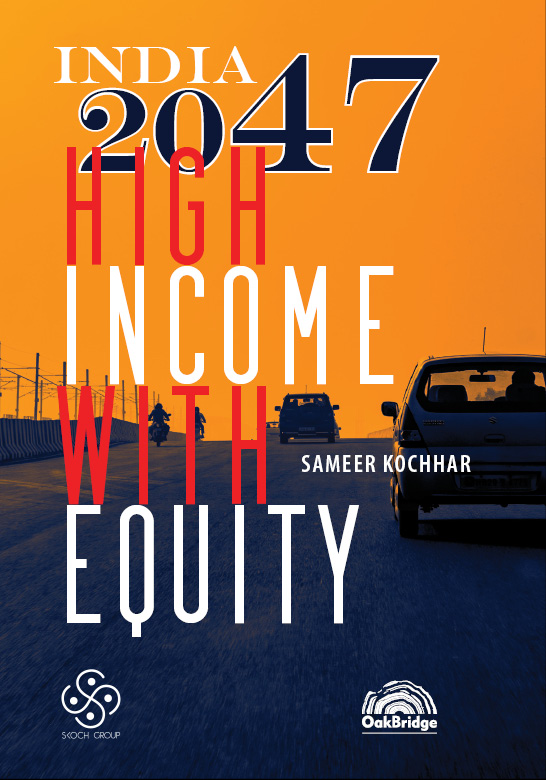

In Praise of
India 2047: High Income with Equity
“Over the next 25 years, India needs to strengthen its parliament and make systems more resilient. This coupled with a robust regulatory environment will take us through the next wave of reforms and the corollary to this would be cooperative federalism. Sameer’s book is an apt commentary that suitably covers all aspects of cooperative federalism and presents a lucid prescription of what needs to be done by learning from our past lessons.”

Vijay Kelkar
Chairman, 13th Finance Commissioner
“In that transition to 2047, it will pass through the upper-middle-income category and approach the high-income status - presently defined as more than US$12,695. Poverty levels will decline sharply. By 2047, India will move from the present medium human development category to the high human development category.”

Bibek Debroy
Economic Advisory Council to the Prime Minister
“This volume contains an in-depth analysis of significant policy issues in addressing contemporary challenges, high growth coupled with fiscal consolidation, and reconciling the dichotomy between inclusiveness and inflation management with macroeconomic stability. It brings together domain experts over experience, skill, and understanding.”

N.K. Singh
Chairman, 15th Finance Commissioner
“India 2047 deals with macroeconomic essentials and emphasises the need for structural transformation, organising the labour markets, increasing competitiveness, enhancing financial and social inclusion with equitable growth, the role of federalism in inclusive growth, imperatives for job-generation, and the importance of infrastructure development and financing.”

Sameer Kochhar
Director, SKOCH Development Foundation
“The reform agenda must continue as it has been under various regimes. Policymakers should identify the sectors that need reforms in terms of creating a competitive environment and improving performance efficiency. The Centre and states must be joint partners in this effort.”

C Rangarajan
Chairman, 12th Finance Commission and
Former Chairman, Economic Advisory Council to the PM
Book Release:
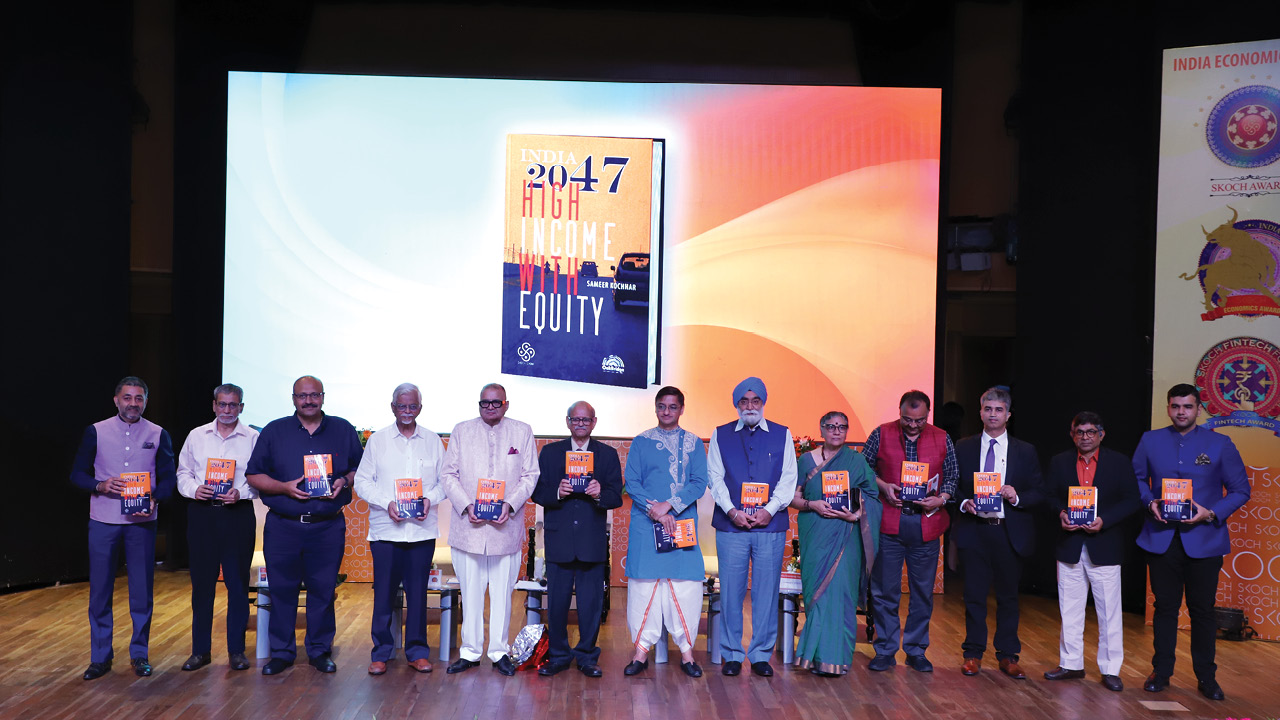
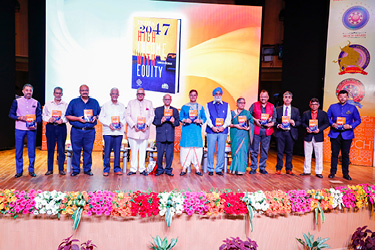
India 2047 - High Income with Equity - By Sameer Kochhar
Mr Vikesh Dhyani, Co-Founder, Oakbridge Publishing
Book Discussion
The session centered on the launch of the book India 2047, an aspirational volume examining India’s path to becoming a high-income, equitable, and sustainable nation. Speakers highlighted demographic trends, urbanization, and the need for productive employment as key drivers of future prosperity. The discussion emphasized competitiveness, regional disparities, and the importance of sector- and location-specific growth strategies. Strong focus was placed on education, skilling, and human development as foundations for long-term growth. Reforms in governance processes, bureaucracy, and the legal system were identified as critical enablers. Panelists stressed that growth must be balanced with equity, social progress, and inclusion, particularly women’s workforce participation. The role of markets, competitive firms, and entrepreneurship was underscored as essential for job creation. The session concluded that while 2047 is aspirational, India will be a markedly different and larger economy, with much work still ahead.
Chair: Dr M Govinda Rao, Councillor, Takshashila Institution and Former Member, 14th Finance Commission, Government of India
Prof Lekha S Chakraborty, Professor, NIPFP and Elected Member, Governing Board, IIPF
Mr Sanjeev Sanyal, Member, Economic Advisory Council to the Prime Minister
Mr S P Bhagora, CEO, Dahod Smart City Development Ltd & Regional Commissioner of Municipalities, Vadodara

Dr Charan Singh, CEO & Founder Director, EGROW Foundation and Non-Executive Chairman, Punjab & Sind Bank
Dr Amit Kapoor, Honorary Chairman, Institute for Competitiveness
Dr Sanjaya Baru, Political Commentator and Policy Analyst

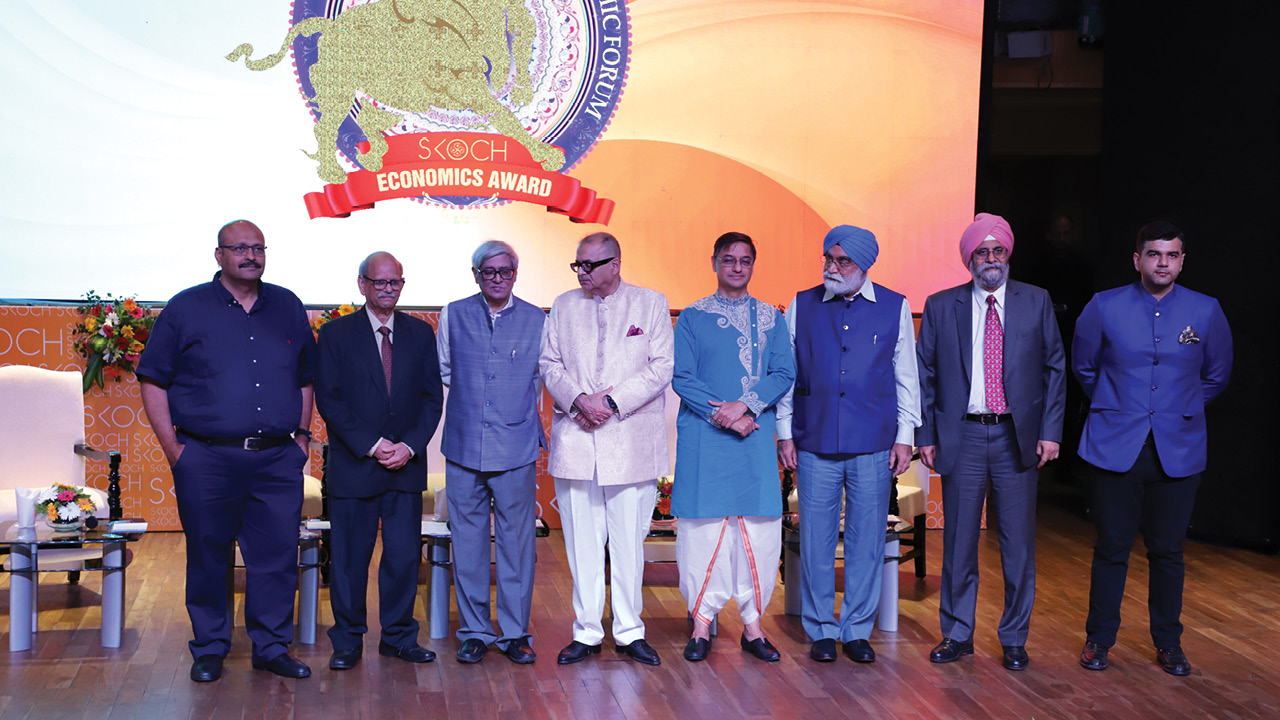
SKOCH Governance Awards
Lunch
Dr M Govinda Rao
Councillor, Takshashila Institution and Former Member, 14th Finance Commission, Government of India
Dr M Govinda Rao is an economist and a member of the 14th Finance Commission. Dr. Rao has previously served as the Director of the National Institute of Public Finance and Policy and as the Director of Institute for Social and Economic Change. He was a Member of the Economic Advisory Council to the Prime Minister.
Prof Lekha S Chakraborty
Professor, NIPFP and Elected Member, Governing Board, IIPF
Lekha S. Chakrabarty’s works on macroeconomic policies and gender have made tremendous contributions to incorporating gender concerns in public finance. Gender Budgeting has proven an effective tool for promoting gender equality across the world, and embraced by institutions such as the IMF. A comprehensive and in-depth study of Gender Budgeting provided by her shows how it can be implemented in the Asian-Pacific region for addressing inequalities. Her efforts were extremely instrumental in the adoption of gender budgets, and allocation of expenditures either exclusively or primarily for the well-being of women and girls.
She has also given new meaning and dimensions to fiscal policy measures for addressing the Unpaid Care Sector, especially during the pandemic, a sector which had remained neglected due to statistical invisibility. She has been credited with a unique formula for financial devolution which is gender sensitive. She suggested the introduction of child-sex ratio as one of the indicators in the tax devolution formula.
She has emphasized on linkages of macroeconomic policy and gender equality. Consequently, her contributions have strongly boosted and innovated the institutionalization of Gender Responsive Budgeting that commenced in 2005. This year’s gender budget was increased by 30% compared to last year’s budget estimates, a further step towards inclusive development. This has also been reflected in the nation’s expenditure policies, as well as in the revenue policies and tax transfer mechanisms.
Mr Sanjeev Sanyal
Member, Economic Advisory Council to the Prime Minister
Dr Charan Singh
CEO & Founder Director, EGROW Foundation and Non-Executive Chairman, Punjab & Sind Bank
Charan Singh has offered novel methods for using monetary policy to promote economic recovery and expansion. His work on relevance of Inflation Targeting in India, which enjoys a unique demographic situation is path breaking. Similarly, his published research in 2005 at Stanford University arguing on conservative approach towards utilising foreign exchange reserves had positive policy contributions. He has worked extensively on debt management and argues that with growing complexities in monetary management and rising debt, both functions for sake of transparency and better policy focus, should be separated. His research on financial inclusion aims to enhance female labour force participation in India. He is an advocate of prudent and responsible regulation. His current research is aimed at distilling Bharat Banking norms from century old banks operational in India, many having survived the World Wars, famines and partition of India successfully.
Dr Amit Kapoor
Honorary Chairman, Institute of Competitiveness
Amit Kapoor’s contribution in setting up the Institute for Competitiveness has led to pioneering competitiveness benchmarking, measurement and index efforts in India. His works, like the Ease of Living Index, Municipal Performance Index, Innovation Index, Export Performance Index, Ease of Living Index for Elderly and Social Progress Index have shaped the policy discussions in the government and private sector. In particular, the Ease of Living Index has been used as an assessment tool by the Ministry of Housing and Urban Affairs, leveraged by smart cities all over the country. These indices have prolifically raised the country’s competitive spirit, providing a robust framework that States and UTs can refer to and resolve development challenges. In the preparation of the Competitive Roadmap for India@100, Kapoor has carried out the vital tasks of implementing the analysis of Indian data sources and working on competitiveness diagnostic, among others.
View More