SKOCH Summit






Agenda
It was in 2016, we published the book "Modi's Odyssey: Digital India, Developed India: which was a combined vision and wisdom of domain experts drawn from the government and the private sector. This book laid out the digital roadmap for India between 2016-19, This vision has enriched most of the national flagship projects through the recommendations in this book.
We are now working on our next edited book entitled 'The Digital State - Highway to AatmaNirbhar Growth' that takes stock of the journey and lays out the roadmap for the next phase of the digital journey of India to a SIO trillion economy with an AatmaNirbhar Growth defined by us as job generative, spatially dispersed, equitable and sustainable growth that would avoid the middle income trap for India.
The book would be a collection of essays by sectoral experts that lay out the digital roadmap in their respective areas. We believe that the AatmaNirbhar Bharat Programme as envisioned by Prime Minister Modi would yield AatmaNirbhar Growth. This is the essence of "The Digital State."
72nd SKOCH Summit with the underlying theme of "The Digital States" kick starts this thinking process, lays out initial thoughts of various stakeholders and initiatives a participative dialogue on how Digital India would now pan out to show a solid impact on Inclusive Growth from 2021 to 2025.
0830 - 0930
Inaugural Session
Welcome: Dr Gursharan Dhanjal, Managing Director & Editor, SKOCH Group
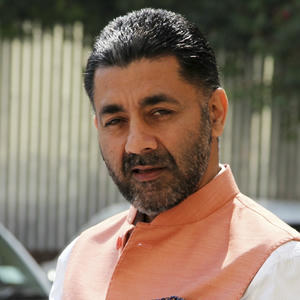
Dr Gursharan Dhanjal
Managing Director & Editor, SKOCH Group
Dr Gursharan Dhanjal, MA, M.Phil, PhD from Delhi University, an expert in development economics. He is Vice Chairman, SKOCH Group. He is also Editor of INCLUSION—a quarterly publication that focuses on inclusive growth related areas. He has led various research projects, impact assessments and field studies in MSMEs, women empowerment, entitlements, rights, sanitation, social inclusion, health, financial inclusion, e-governance and ICT for development that included traversing across the country, collecting citizen voices for over two decades now. A prolific writer, Dr Dhanjal has contributed over 200 columns in leading national dailies including The Hindustan Times, The Times of India, The Financial Express and The Pioneer. He has published research papers in several journals of repute in addition to authoring following widely acclaimed books: Tarapur: The Politics of Nuclear Age; and, Infrastructure and Governance. He was member of the Working Group on ICT in Higher Education constituted by Planning Commission for the 12th Five Year Plan.
0930 - 1030
Architects of Digital India
Digital India is a part of our contemporary history and heritage. While several people would have a ringside view of this journey and transition over the past two decades, there are a few who have not only seen it first hand but have also contributed majorly towards defining the contours of Digital India today. The biggest testimony to its success has been the COVID year where, the backbone and the population scale infrastructure created by this visionary program and as laid out in our book, “Modi’s Odyssey: Digital India, Developed India” kept the wheels of the country and the economy moving. This session brings together thought leaders who have been there and done that.
The session reflected on India’s digital transformation from NeGP to Digital India, highlighting how policy, infrastructure, and leadership accelerated adoption at population scale. Speakers noted that major initiatives such as Aadhaar, UPI, DigiLocker, CSCs, and direct benefit transfers have reshaped governance, inclusion, and service delivery. A key theme was the next phase of Digital India, which must focus on creating a connected government with a unified citizen view and stronger administrative reforms. The discussion emphasized that digital technologies now need deeper application in social sectors such as healthcare, education, agriculture, skilling, and employment. Panelists also underlined the importance of cloud, AI, IoT, and data-driven systems in enabling scalable and affordable innovation. The role of regulation was seen as critical in unlocking private sector participation while preserving public interest. Government was described as a major driver of technology adoption and reskilling, especially as India moves from cost arbitrage to value-based digital leadership. The session also highlighted that MSMEs stand to benefit from digital adoption through wider market access and lower technology entry costs. Overall, the panel presented Digital India as a foundation for inclusive growth, economic transformation, and India’s emergence as a global digital leader.
Welcome: Dr Gursharan Dhanjal, Managing Director & Editor, SKOCH Group
Opening Remarks: Mr Sameer Kochhar, Chairman, SKOCH Group
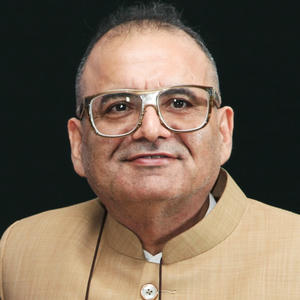
Conferring of SKOCH Challenger Award for ‘Corporate Leader of The Year’ on Mr Karan Bajwa, Vice President, Asia Pacific, Google Cloud and President, CAII
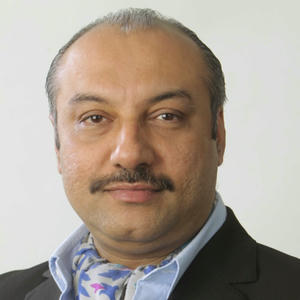
Felicitation by Mr R Chandrashekhar, Chairman and Co-founder, Center for the Digital Future and Former Secretary, Government of India
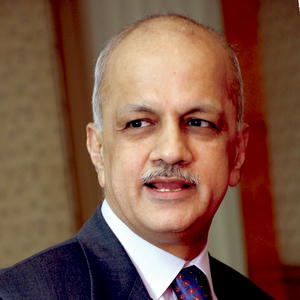
Acceptance by Mr Karan Bajwa
Conference Background: Mr Sameer Kochhar, Chairman, SKOCH Group
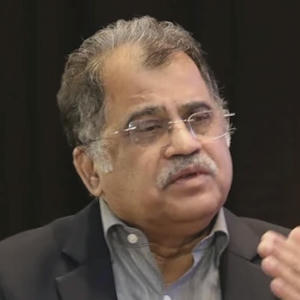
Digital Future for The Digital State: Mr R Chandrashekhar, Chairman and Co-founder, Center for the Digital Future and Former Secretary, Government of India
Digital India on The Cloud: Mr Karan Bajwa, Vice President, Asia Pacific, Google Cloud and President, CAII
Closing Remarks: Dr Shefali Dash, Distinguished Fellow, SKOCH Development Foundation and Former Director General, National Informatics Centre (NIC)
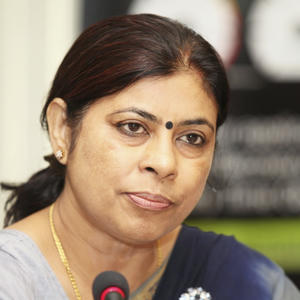
Dr Shefali Dash
Distinguished Fellow, SKOCH Development Foundation & Former Director General, National Informatics Centre
Dr. (Mrs.) Shefali S. Dash is a Ph.D in Physics & Former Deputy Director General, National Informatics Centre, New Delhi. Her Areas of Specialization are Planning and implementation of Management Information Systems (MIS) and Decision Support Systems (DSS), development and implementation of e-Governance programmes, Informatics Development Services and Setting up of Computer Centres, Local Area Networks and computer communication infrastructure in rural areas. She has Implemented a number of large scale projects like the Rajiv Gandhi National Drinking Water Mission computerization Project, Community Information Centre Project, GRAMSAT Project, Warana Wired Village Project, Project Arrow of Department of Post, Setting up of Wide Area Network for connecting all the post offices in the country, Setting up of National Consumer Call Preference Registry for TRAI, Project Nikshaya for Ministry of Health etc. She has been instrumental in preparing e-Governance Plans for various State Governments in India as well as for the Government of Lao PDR.
Mr R Chandrashekhar
Chairman and Co-founder, Center for the Digital Future and Former Secretary, Government of India
Mr Sameer Kochhar
Chairman, SKOCH Group
Reforms historian and author of best-seller ModiNomics, Sameer Kochhar is Chairman, SKOCH Group. He is a passionate advocate of social, digital and financial inclusion and is a foremost expert on governance and inclusive growth. His work has been acclaimed globally and endorsed by Mr Narendra Modi, Mr M Venkaiah Naidu, Dr Manmohan Singh, Mr Arun Jaitley, Mr P Chidambaram, Mr Yashwant Sinha, Dr C Rangarajan and Dr Montek Singh Ahluwalia and so on. In his thinking and writings and activities, his profound admiration for India's economic reforms and in extension, those outstanding personalities who strive to make these reforms more meaningful and broad-based comes out clear and unambiguous.
Mr Karan Bajwa
Vice President, Asia Pacific, Google Cloud and President, CAII
Karan Bajwa joined Microsoft India in November 2007 and after serving in senior leadership roles. He was appointed as Managing Director of the sales and marketing operations of the subsidiary in 2013. In this capacity, his responsibilities include growing the sales and marketing operations, driving strategic partnerships and alliances with global platform partners, channel partners, international and local OEMs services, telecommunications industries and the system builder community. Karan brings with him an excellent understanding of enterprises as well as insight into the Indian public sector, having led teams for these businesses for the company in the last seven years.
1330 - 1430
Banking in a Digital State
In our book “Modi’s Odyssey: Digital India, Developed India” there were three papers dedicated to the use of digital banking channels. The first chapter argued for going beyond Jan Dhan, Aadhaar and Mobile to move to Cloud, Aadhar and Mobile. We have covered significant ground on this through digitalisation of payments, introduction of UPI, etc. Similarly, a paper by Mr Ram Sewak Sharma argued for Aadhaar at the core of Digital India. This too is now a reality in most national flagship programs using Aadhaar as a proof of identity. Similarly, a paper by Mr Sameer Kochhar argued for Digital Deliverance through taking the entire government financial system electronically for claims, disbursements and tracking of funds. It is easy to see that Digital Banking and Digital State are tied at the hip. This bond has strengthened further during COVID. Given this, there is a need to examine how bankers see Digital Banking shape up 2021-25 to keep in step with the rise of the Digital State. Are there any exclusion issues and how to address those gaps? What would be newer compliances and scaling issues? Where will the disruptions come from?
The session on Banking in a Digital State highlighted how digital banking is becoming central to India’s broader digital transformation, with COVID-19 accelerating adoption across customer services, payments, and operations. Panelists emphasized that future banking will be shaped by stronger compliance frameworks, especially around data protection, along with rapid adoption of technologies such as cloud, robotic process automation, AI, machine learning, APIs, and analytics. They noted that digital trust, customer-centric design, and seamless omnichannel experiences will be critical as banks move toward platform-based and open banking models. At the same time, cybersecurity, fraud management, and evolving compliance practices will remain essential as digital transactions grow. Public sector banks were seen as gradually increasing cloud adoption, while India’s digital payment infrastructure, including UPI and cardless systems, was recognized as a global strength. A major theme was inclusion, with concern that poor connectivity, limited last-mile access, and gaps in digital infrastructure can exclude vulnerable communities, especially women in rural areas. The discussion stressed that mobile wallets, RuPay cards, merchant networks, and customer-focused digital tools can help bridge these gaps. Overall, the panel concluded that the future of banking lies in combining technology, scale, security, and inclusion to create a more accessible and efficient financial ecosystem.
Welcome: Dr Gursharan Dhanjal, Managing Director & Editor, SKOCH Group
Opening Remarks: Mr Sameer Kochhar, Chairman, SKOCH Groupr
Conferring of SKOCH Challenger Award for ‘Women Empowerment’ on Ms Reema Nanavaty, Executive Director, Self-Employed Women’s Association of India
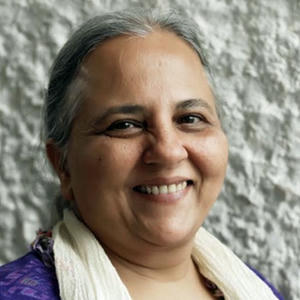
Felicitation by Dr Gursharan Dhanjal, Managing Director & Editor, SKOCH Group
Acceptance by Ms Reema Nanavaty
Moderator: Dr Gursharan Dhanjal, Managing Director & Editor, SKOCH Group
Mr T R Venkateswaran, Chief Information Security Officer, Punjab National Bank
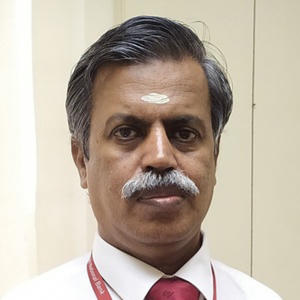
Mr K Suryanarayanan, Chief Information Security Officer, Central Bank of India
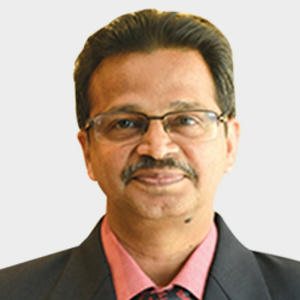
Mr K Mahendra Reddy, Chief Information Security Officer, Union Bank of India

Mr Saravanan S, Additional General Manager IT, The Karur Vysya Bank Limited
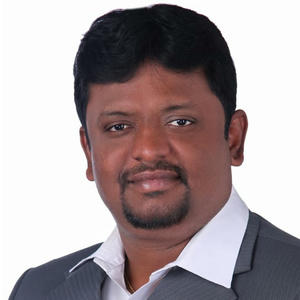
Ms Reema Nanavaty, Executive Director, Self-Employed Women’s Association of India
Dr Gursharan Dhanjal
Managing Director & Editor, SKOCH Group
Dr Gursharan Dhanjal, MA, M.Phil, PhD from Delhi University, an expert in development economics. He is Vice Chairman, SKOCH Group. He is also Editor of INCLUSION—a quarterly publication that focuses on inclusive growth related areas. He has led various research projects, impact assessments and field studies in MSMEs, women empowerment, entitlements, rights, sanitation, social inclusion, health, financial inclusion, e-governance and ICT for development that included traversing across the country, collecting citizen voices for over two decades now. A prolific writer, Dr Dhanjal has contributed over 200 columns in leading national dailies including The Hindustan Times, The Times of India, The Financial Express and The Pioneer. He has published research papers in several journals of repute in addition to authoring following widely acclaimed books: Tarapur: The Politics of Nuclear Age; and, Infrastructure and Governance. He was member of the Working Group on ICT in Higher Education constituted by Planning Commission for the 12th Five Year Plan.
Ms Reema Nanavaty
NANAVATY, Executive Director, Self-Employed Women’s Association of India
Mr K Suryanarayanan
Chief Information Security Officer, Central Bank of India
Mr T R Venkateswaran
Chief Information Security Officer, Punjab National Bank
Mr K Mahendra Reddy
Chief Information Security Officer, Union Bank of India
Mr Saravanan S
Additional General Manager IT, The Karur Vysya Bank Limited
1130 - 1220
The Digital State
One very important step towards a Digital State is the institutional and regulatory framework. In India it is a bit late in coming, but hopefully that may deliver a relatively mature framework. The Digital State has to address the problem of plenty caused by each department having too many standalone applications and the government not being connected. This then affects both ease of doing business and ease of living. While there are frameworks and structures in place at the back end, how the front end would develop as a competitive model may be a challenge. There is a need for a higher competition both at the front end and at the back end for de-risking and level playing field. Equally important is a competitive regulation in e-commerce space that takes India towards $1 trillion Digital Economy goal by 2025 while protecting the interests of the consumer and small and micro businesses.
The session on The Digital State explored India’s digital transformation as an evolving journey from standalone digitization toward a more connected, citizen-centric system of governance. Sameer Kochhar highlighted that while India has built strong digital infrastructure and launched many successful schemes, the next challenge is integrating government systems across ministries and between the Centre and states to create a unified view of the citizen. Ashok Kumar Gupta emphasized that digitization has created enormous economic value but has also introduced new competition concerns, especially around digital platforms, data concentration, gatekeeper power, privacy, interoperability, and market fairness. Junaid Ahmad expanded the discussion by showing how digital systems have strengthened direct benefit transfers, education, MSME productivity, social protection, and inclusion, while arguing that the real gains of the digital era will require deep changes in management systems and state capability. Dhanendra Kumar placed the digital state within India’s larger historical journey of political, economic, and technological freedom, stressing how JAM, DBT, and pandemic-era digital services have improved delivery, reduced leakages, and empowered citizens. Across the session, speakers agreed that digitalization is not just about technology but about transforming institutions, governance, and service delivery. They also underscored the need for supportive regulatory and legislative frameworks, administrative reform, and competitive digital markets to prevent concentration and exclusion. Overall, the discussion presented the digital state as the next stage of India’s development, where connectivity, competition, efficiency, and citizen empowerment must move forward together.
Welcome: Dr Gursharan Dhanjal, Managing Director & Editor, SKOCH Group
Opening Remarks: Mr Sameer Kochhar, Chairman, SKOCH Group
Conferring of SKOCH Challenger Award for ‘Competition Policy’ on Mr Dhanendra Kumar, Former Chairman, Competition Commission of India
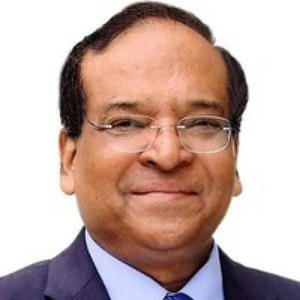
Felicitation by our Chief Guest: Mr Ashok Kumar Gupta, Chairperson, Competition Commission of India
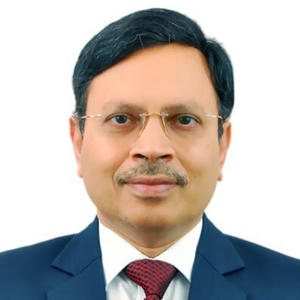
Felicitation by Mr Junaid K Ahmad, Country Director, World Bank India
Acceptance by Mr Dhanendra Kumar
Emerging Competition Landscape: Mr Ashok Kumar Gupta, Chairperson, Competition Commission of India
Growth & Digital India: Mr Junaid K Ahmad, Country Director, World Bank India
Competition in a Digital State: Mr Dhanendra Kumar, Former Chairman, Competition Commission of India
Mr Sameer Kochhar
Chairman, SKOCH Group
Reforms historian and author of best-seller ModiNomics, Sameer Kochhar is Chairman, SKOCH Group. He is a passionate advocate of social, digital and financial inclusion and is a foremost expert on governance and inclusive growth. His work has been acclaimed globally and endorsed by Mr Narendra Modi, Mr M Venkaiah Naidu, Dr Manmohan Singh, Mr Arun Jaitley, Mr P Chidambaram, Mr Yashwant Sinha, Dr C Rangarajan and Dr Montek Singh Ahluwalia and so on. In his thinking and writings and activities, his profound admiration for India's economic reforms and in extension, those outstanding personalities who strive to make these reforms more meaningful and broad-based comes out clear and unambiguous.
Mr Dhanendra Kumar
Former Chairman Competition Commission of India
Mr Ashok Kumar Gupta
Chairperson, Competition Commission of India
Mr Junaid K Ahmad
Country Director, World Bank India
1220 - 1330
Connected Government
India is a federation of states. There are state subjects, central subjects, and a concurrent list. This can cause a bowl of spaghetti kind of impact on development programs including those related to digital governance. In the connected government initiative at the centre, each ministry may create its own common application stack and then take it national through the state governments. These include programmes like National Digital Health Mission, Education, Agriculture and Land & Property Dematerialisation. This then would become a very interesting field for research on how the states integrate the national connected government vision with that of their own. This panel looks at the vision of state governments on how they see their own connected government approaches panning out between 2021-25.
The session focused on how Indian states are moving from basic e-governance toward truly connected government by integrating services, databases, and delivery systems around citizen needs. Andhra Pradesh highlighted its use of e-office, shared databases, village and ward secretariats, and agriculture-focused digital platforms to deliver services at the doorstep and improve time-bound governance. West Bengal emphasized the scale of its digital systems such as e-office, e-treasury, e-district, e-tendering, online grievance redressal, and digitized land records, showing how digitalization can improve transparency, speed, and accountability. Telangana presented perhaps the strongest example of connected governance through its Samagra Vedika or Citizen 360 platform, which links multiple government databases to improve targeting, reduce leakages, and strengthen welfare delivery without relying on Aadhaar. Dr N Vijayaditya and Bhushan Mohan stressed that the next phase must focus on common standards, interoperable architectures, data definitions, and digital highways so that existing systems can work together rather than remain siloed. A key theme was that true transformation requires moving beyond departmental automation to citizen-centric integration across departments and levels of government. The discussion also examined how Centre and states can cooperate in concurrent subjects like health, education, land, and agriculture through consultative standard-setting rather than one-size-fits-all mandates. Overall, the session concluded that India is on the right path, but the future of the digital state will depend on interoperability, participative federalism, and the ability to turn digital systems into inclusive, scalable public value.
Welcome & Announcement by Dr Gursharan Dhanjal, Managing Director & Editor, SKOCH Group
Confering of SKOCH Award by Mr Sameer Kochhar, Chairman, SKOCH Group

Moderator: Mr Sameer Kochhar, Chairman, SKOCH Group
Mr Jayesh Ranjan, Principal Secretary, Information Technology, Electronics & Communications Department, Government of Telangana
Ms G Jaya Lakshmi, Principal Secretary, Information Technology, Electronics & Communications Department, Government of Andhra Pradesh
Mr B P Gopalika, Additional Chief Secretary, Department of Personnel and Administrative Reforms & e-Governance, Government of West Bengal
Mr Virendra Singh, Commissioner & Special Secretary, IT&C, Government of Rajasthan
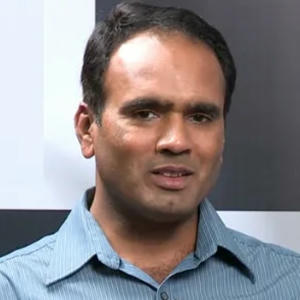
Dr N Vijayaditya, Distinguished Fellow, SKOCH Development Foundation and Former Director General, National Informatics Centre (NIC)
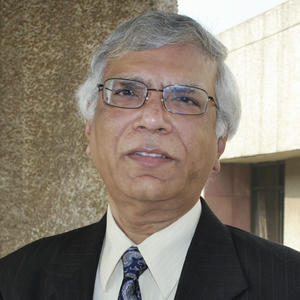
Summation and Recommendations: Mr Bhushan Mohan, Former Consultant NeGD and Senior Fellow, SKOCH Development Foundation
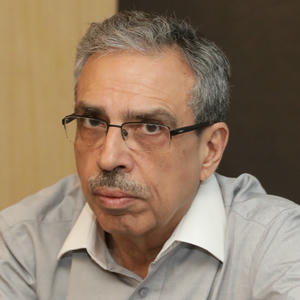
Mr Sameer Kochhar
Chairman, SKOCH Group
Reforms historian and author of best-seller ModiNomics, Sameer Kochhar is Chairman, SKOCH Group. He is a passionate advocate of social, digital and financial inclusion and is a foremost expert on governance and inclusive growth. His work has been acclaimed globally and endorsed by Mr Narendra Modi, Mr M Venkaiah Naidu, Dr Manmohan Singh, Mr Arun Jaitley, Mr P Chidambaram, Mr Yashwant Sinha, Dr C Rangarajan and Dr Montek Singh Ahluwalia and so on. In his thinking and writings and activities, his profound admiration for India's economic reforms and in extension, those outstanding personalities who strive to make these reforms more meaningful and broad-based comes out clear and unambiguous.
Mr B P Gopalika
Additional Chief Secretary, Department of Personnel and Administrative Reforms & e-Governance, Government of West Bengal
Ms G Jaya Lakshmi
Principal Secretary, Information Technology, Electronics & Communications Department, Government of Andhra Pradesh
Mr Jayesh Ranjan
Principal Secretary, Information Technology, Electronics & Communications Department, Government of Telangana
Mr Virendra Singh
Commissioner & Special Secretary, IT&C, Government of Rajasthan
Dr N Vijayaditya
Distinguished Fellow, SKOCH Development Foundation and Former Director General, National Informatics Centre (NIC)
Mr Bhushan Mohan
Senior Fellow, SKOCH Development Foundation & Former Principal Consultant, NeGD
1430 - 1600
Digital Law & Order
The book “Modi’s Odyssey: Digital India, Developed India” carried four papers related to use of digital technologies in policing and justice. One was by Mr. Rakesh Asthaana on e-Enabling Police for Better Law Enforcement, the second was e-Enablement of Indian Judicial System by Mr. Tanmoy Chakrabarty, third on Securing India Digitally by Mr. Deepak Maheshwari and the fourth one was Law Enforcement: A View from Jharkhand by Mr. Satya Narayan Pradhan. Not only most of the ground proposed has been covered but also most of these gentlemen are at very senior positions and having a top level view of how things panned out. This panel looks at how imperatives have changed post COVID and post Social Media, becoming such a major influence on shaping up democracy and society. There are issues specific to women and child safety as well. Similarly, most state police departments have a vision on how 2021-25 they are going to become a digitally enabled police force in a digital state. What are going to be the linkages with the judicial system, etc? This panel examines shape of things to come and how our Law and Policing would keep up to speed.
The session on Digital Law and Order examined how policing must rapidly evolve in response to COVID, social media, cybercrime, and the wider digital transformation of society. Speakers emphasized that future policing will depend on stronger use of technology, data, and integrated systems, while also remaining accessible, humane, and citizen-centric. Andhra Pradesh highlighted digital tools for women’s safety, fast emergency response, and app-based public services, while Kerala presented itself as a technology-driven force using paperless offices, mobile services, and smart policing models. Dr B N Shetty stressed the importance of interoperable platforms such as CCTNS and ICJS, and argued for a future where complaint systems become more unified and digitally seamless. Sutapa Sanyal broadened the debate by pointing to new threats such as cyber fraud, child abuse online, trafficking, deep web crime, and domestic violence, especially affecting women and children. A major theme was that police is only one pillar of the justice system, and real progress requires stronger coordination with prosecution, courts, prisons, and forensic systems. The discussion also explored the tension between technological centralization and India’s federal structure, especially around ideas such as one state or one nation level complaint platforms. Overall, the panel concluded that the future of digital policing lies in combining speed, interoperability, evidence-based policing, victim-sensitive responses, and carefully designed technology that strengthens both public trust and justice delivery.
Welcome: Dr Gursharan Dhanjal, Managing Director & Editor, SKOCH Group
Opening Remarks: Mr Sameer Kochhar, Chairman, SKOCH Group
Conferring of SKOCH Challenger Award for ‘Women and Child Development’ on Ms Sutapa Sanyal, Former Director General of Police
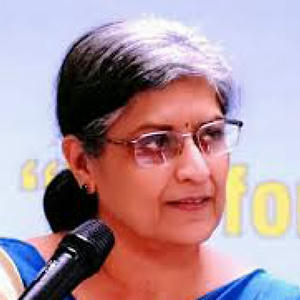
Felicitation by Dr Amrita Dass, Founder Director, Institute For Career Studies

Acceptance by Ms Sutapa Sanyal
Moderator: Dr Gursharan Dhanjal, Managing Director & Editor, SKOCH Group
Ms Sutapa Sanyal, Former Director General of Police
Mr D Gautam Sawang, Director General of Police, Government of Andhra Pradesh
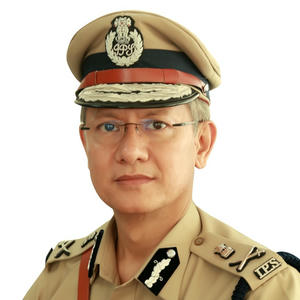
Mr Loknath Behera, Director General of Police, Government of Kerala
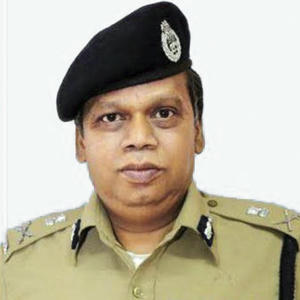
Dr B N Shetty, Chief Technology Officer at Ministry of Home Affairs Govt of India and Former Deputy Director General
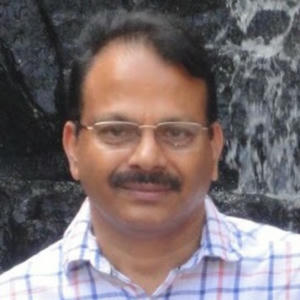
Mr Jaspreet Singh, Risk Consulting Markets Leader - India, Ernst & Young
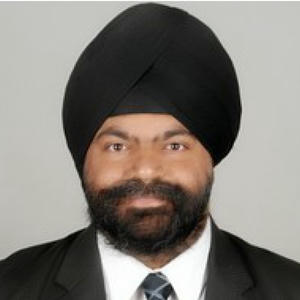
Dr Gursharan Dhanjal
Managing Director & Editor, SKOCH Group
Dr Gursharan Dhanjal, MA, M.Phil, PhD from Delhi University, an expert in development economics. He is Vice Chairman, SKOCH Group. He is also Editor of INCLUSION—a quarterly publication that focuses on inclusive growth related areas. He has led various research projects, impact assessments and field studies in MSMEs, women empowerment, entitlements, rights, sanitation, social inclusion, health, financial inclusion, e-governance and ICT for development that included traversing across the country, collecting citizen voices for over two decades now. A prolific writer, Dr Dhanjal has contributed over 200 columns in leading national dailies including The Hindustan Times, The Times of India, The Financial Express and The Pioneer. He has published research papers in several journals of repute in addition to authoring following widely acclaimed books: Tarapur: The Politics of Nuclear Age; and, Infrastructure and Governance. He was member of the Working Group on ICT in Higher Education constituted by Planning Commission for the 12th Five Year Plan.
Ms Sutapa Sanyal
Former Director General of Police
Mr Jaspreet Singh
Risk Consulting Markets Leader - India, Ernst & Young
Dr B N Shetty
Chief Technology Officer at Ministry of Home Affairs Govt of India and Former Deputy Director General
Mr Loknath Behera
Director General of Police, Government of Kerala