SKOCH Summit




Agenda
0900 - 1100
Inaugural Session
The inaugural session of the 75th SKOCH Summit focused on improving governance through digitalization, innovation, and state-led reforms. Dr Gursharan Dhanjal highlighted India’s governance transformation through technology, digital payments, and reduced physical interface between citizens and government. Shanta Pradhan shared how West Bengal’s Tourism Department revived the tourism sector during COVID through SOPs, financial support schemes, satellite health facilities, and vaccination drives. Arvind Agarwal presented Odisha’s child-focused initiatives, including home-based learning through Ghar Ghar Arunima and early stimulation programs like Vatsalya. He also emphasized Odisha’s strong campaign against child marriage through community participation and village-level prevention mechanisms. Onkar Singh Meena outlined West Bengal’s agricultural reforms, especially micro-irrigation, direct cash transfer through Krishak Bandhu, crop insurance, and farm mechanization. He stressed that improving user efficiency, reducing input costs, and creating reliable digital farmer databases are key to increasing farmers’ income. The session underlined that effective governance depends on innovation, technology adoption, community participation, and strong administrative commitment.
Welcome: Dr Gursharan Dhanjal, Managing Director & Editor, SKOCH Group
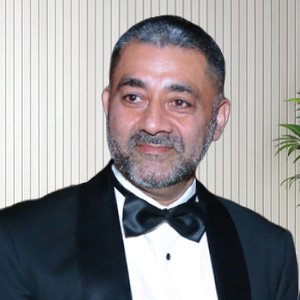
Opening Remarks: Dr Gursharan Dhanjal, Managing Director & Editor, SKOCH Group
Ms Shanta Pradhan, Additional Secretary, Tourism Department, West Bengal
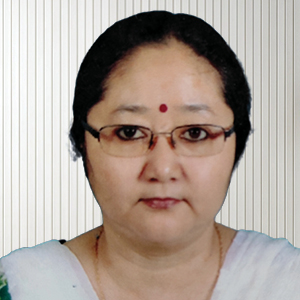
Mr Aravind Agrawal, Director, Women and Child Development Department, Government of Odisha
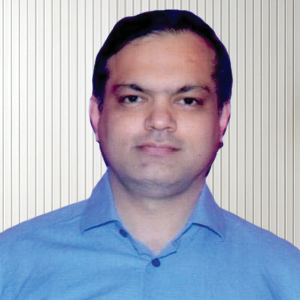
Mr Onkar Singh Meena, Principal Secretary, Agriculture, Government of West Bengal
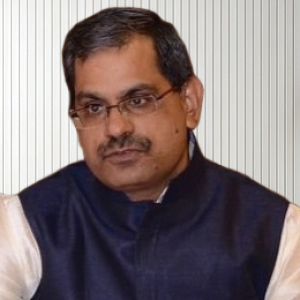
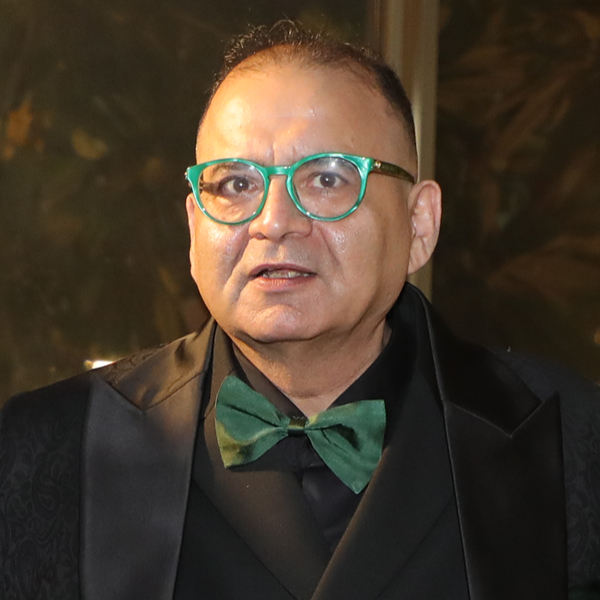
Mr Sameer Kochhar
Chairman, SKOCH Group
Reforms historian and author of best-seller ModiNomics, Sameer Kochhar is Chairman, SKOCH Group. He is a passionate advocate of social, digital and financial inclusion and is a foremost expert on governance and inclusive growth. His work has been acclaimed globally and endorsed by Mr Narendra Modi, Mr M Venkaiah Naidu, Dr Manmohan Singh, Mr Arun Jaitley, Mr P Chidambaram, Mr Yashwant Sinha, Dr C Rangarajan and Dr Montek Singh Ahluwalia and so on. In his thinking and writings and activities, his profound admiration for India's economic reforms and in extension, those outstanding personalities who strive to make these reforms more meaningful and broad-based comes out clear and unambiguous.
View MoreDr Gursharan Dhanjal
Managing Director & Editor, SKOCH Group
Dr Gursharan Dhanjal, MA, M.Phil, PhD from Delhi University, an expert in development economics. He is Vice Chairman, SKOCH Group. He is also Editor of INCLUSION—a quarterly publication that focuses on inclusive growth related areas. He has led various research projects, impact assessments and field studies in MSMEs, women empowerment, entitlements, rights, sanitation, social inclusion, health, financial inclusion, e-governance and ICT for development that included traversing across the country, collecting citizen voices for over two decades now. A prolific writer, Dr Dhanjal has contributed over 200 columns in leading national dailies including The Hindustan Times, The Times of India, The Financial Express and The Pioneer. He has published research papers in several journals of repute in addition to authoring following widely acclaimed books: Tarapur: The Politics of Nuclear Age; and, Infrastructure and Governance. He was member of the Working Group on ICT in Higher Education constituted by Planning Commission for the 12th Five Year Plan.
Ms Shanta Pradhan
Additional Secretary, Tourism Department, West Bengal
Mr Aravind Agrawal
Director, Women and Child Development Dept, Govt of Odisha
Mr Onkar Singh Meena
Principal Secretary, Agriculture, Government of West Bengal
1100 - 1330
State of IT
The session focused on how Indian states are using next-generation technologies to strengthen governance, improve citizen services, and accelerate digitalization. Dr. Gursharan Dhanjal framed the discussion around the state of digitalization, the remaining challenges, and the vision for 2025. Vinay Saga Reddy highlighted Andhra Pradesh’s work in citizen services, benefit delivery, grievance redressal through Spandana, and the use of big data and analytics for actionable governance insights. Sohan Nautiyal spoke about Odisha’s technology-driven governance, including cloud-hosted services, AI-based dashboards, Mo Seva Kendras, smart classes, blockchain applications, and citizen feedback through Mo Sarkar. Kumar Vineet presented Uttar Pradesh’s efforts in grievance redressal through the CM Helpline, COVID response systems, blockchain in land records, mining analytics, startup promotion, electronics manufacturing, and data center policy. Sanjay Kumar Das shared West Bengal’s experiences with e-Samadhan, Duare Sarkar, Bangla Sahayata Kendras, Karmabhoomi, privacy-focused digital platforms, and state-managed data and cybersecurity infrastructure. A key theme across the panel was that technology must remain citizen-centric, accessible, transparent, and responsive rather than being reduced to jargon or showcase projects. The panelists also stressed the value of sharing best practices and even failures across states so that successful governance models can be replicated more widely. Overall, the discussion showed that while states are at different stages, they are collectively moving toward more connected, data-driven, and inclusive digital governance.
Moderator: Dr Gursharan Dhanjal, Managing Director & Editor, SKOCH Group
Mr Vidya Sagar, CEO, Real Time Goverance Society, Andhra Pradesh
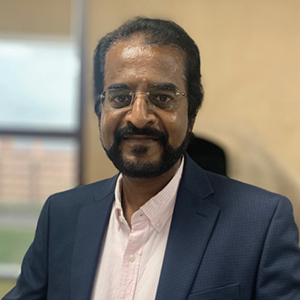
Mr Sohan Nautiyal, Head SeMT Odisha State eGovernance Mission Team, Electronics & Information Technology, Government of Odisha
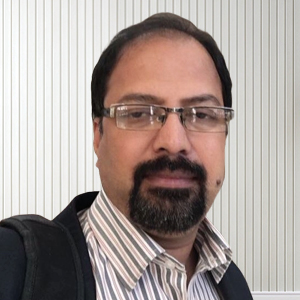
Mr Kumar Vineet, Special Secretary, Electronics & Information Technology, Government of Uttar Pradesh
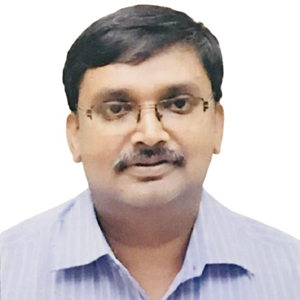
Mr Sanjay Kumar Das, Joint Secretary, Department of Information Technology & Electronics, Government of West Bengal
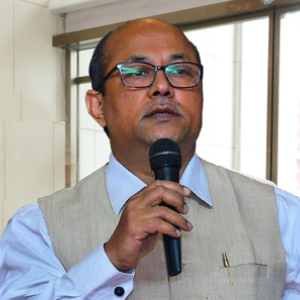
Dr Gursharan Dhanjal
Managing Director & Editor, SKOCH Group
Dr Gursharan Dhanjal, MA, M.Phil, PhD from Delhi University, an expert in development economics. He is Vice Chairman, SKOCH Group. He is also Editor of INCLUSION—a quarterly publication that focuses on inclusive growth related areas. He has led various research projects, impact assessments and field studies in MSMEs, women empowerment, entitlements, rights, sanitation, social inclusion, health, financial inclusion, e-governance and ICT for development that included traversing across the country, collecting citizen voices for over two decades now. A prolific writer, Dr Dhanjal has contributed over 200 columns in leading national dailies including The Hindustan Times, The Times of India, The Financial Express and The Pioneer. He has published research papers in several journals of repute in addition to authoring following widely acclaimed books: Tarapur: The Politics of Nuclear Age; and, Infrastructure and Governance. He was member of the Working Group on ICT in Higher Education constituted by Planning Commission for the 12th Five Year Plan.
Mr Vidya Sagar
CEO, Real Time Goverance Society, Andhra Pradesh
Mr Sohan Nautiyal
Head SeMT Odisha State eGovernance Mission Team, Electronics & Information Technology, Government of Odisha
Mr Kumar Vineet
Special Secretary, Electronics & Information Technology, Government of Uttar Pradesh
Mr Sanjay Kumar Das
Joint Secretary, Department of Information Technology & Electronics, Government of West Bengal
1330 - 1530
State of Finance
State finances are in a critical stage particularly after a shock emanated from Covid-19 pandemic. The economy contracted by more than seven percent in the fiscal 2020-21. Fiscal deficit of the union and states has increased dramatically. Consequently, debt of the union and states has increased further. Since finances of the union government are in turmoil, the resource flow from the union to the states is compressed. The second reason is the escalating public expenditure of the State due to popular unproductive loan waiving of farmers, taking over the debts of the power discoms under Ujwal Discom Assurance Yojana (UDAY). The third reason is the poor own tax (including State-GST) and non-tax revenue collection by the states. As a result, the developmental expenditure except health has slowed down. Countering this requires the following questions to be addressed:
- How to reprioritise public expenditure to build physical, social and institutional infrastructure catalyst for high economic growth and better social security nets?
- How to curb wasteful public expenditure?
- How to generate more revenues both tax and non-taxes and identify the potential of new sources?
Moderator: Prof V N Alok, Indian Institute of Public Administration (IIPA)
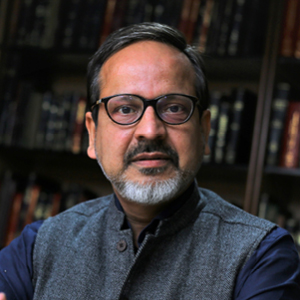
Mr R D Janartha, Additional Commissioner, State Tax and Excise, Government of Himachal Pradesh
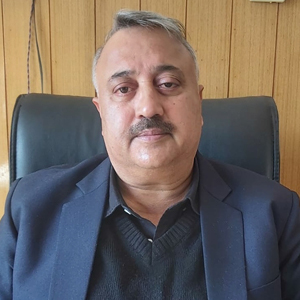
Mr Sarveshwar Shukla, Joint Commissioner, MSME and Export Promotion, Government of Uttar Pradesh
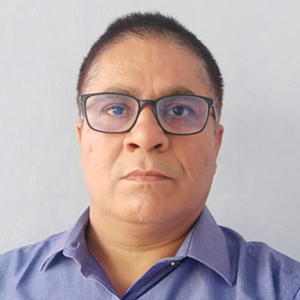
Ms Deepika Rana, Deputy Director, Department of Industries & Commerce, Government of Himachal Pradesh
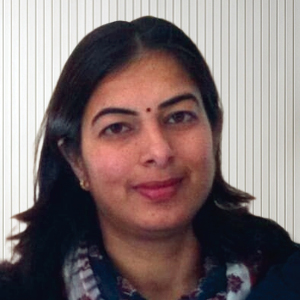
Mr R Chandrashekaram, Joint Commissioner, Department of Labour, Government of Telangana
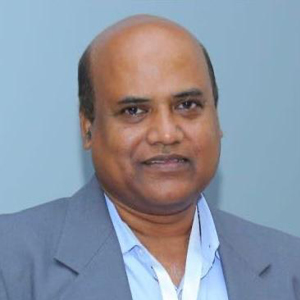
Mr Yogesh, Additional Director, Handlooms and Textiles, Government of Karnataka
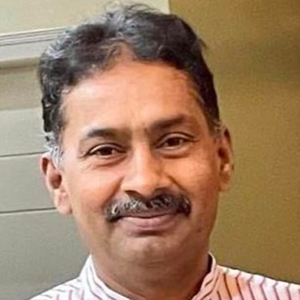
Mr Manvendra Pratap Singh, Secretary, Department of Industries & Commerce, Government of Assam
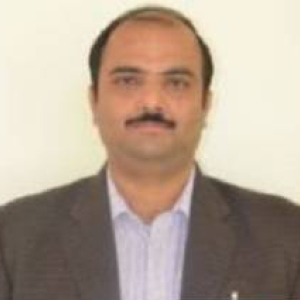
Mr Anoop Kumar Agrawal, Additional Director, Directorate of Industries, Government of Odisha
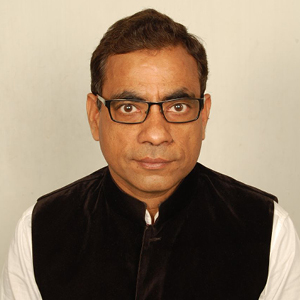
Prof V N Alok
Indian Institute of Public Administration (IIPA)
Dr. V.N. Alok is a Professor at the Indian Institute of Public Administration (IIPA), a premier institution dedicated to public administration and governance studies in India. With a strong academic and research background, Dr. Alok specializes in areas such as public policy, governance reforms, and administration. His work focuses on improving public sector management and enhancing the efficiency of government programs. As a faculty member at IIPA, Dr. Alok has contributed significantly to shaping the understanding of public administration in India, mentoring future leaders in governance and policy implementation. His research and teachings continue to influence public administration practices across the country.
Ms Deepika Rana
Deputy Director, Department of Industries & Commerce, Government of Himachal Pradesh
Mr R D Janartha
Additional Commissioner, State Tax and Excise, Government of Himachal Pradesh
Mr Manvendra Pratap Singh
Secretary, Department of Industries & Commerce, Government of Assam
Mr Sarveshwar Shukla
Joint Commissioner, MSME and Export Promotion, Government of Uttar Pradesh
Mr R Chandrashekaram
Joint Commissioner, Department of Labour, Government of Telangana
Mr Yogesh
Additional Director, Handlooms and Textiles, Government of Karnataka
Mr Anoop Kumar Agrawal
Additional Director, Directorate of Industries, Government of Odisha
1530 - 1630
State of Development
India’s social sector or civil society is integral to its democracy. Despite this, we are a long way from developing an enabling and conducive environment. Gender inequality despite economic growth, implementation challenges of rights based schemes, vulnerability to climate change are few lingering issues. Development in any sector or area should ultimately lead to achieving a ‘higher standard of living’. The key measurement parameters for development should focus on: Housing, Health, Food and Nutrition; Cleanliness and Hygiene; Education; Employment and so on.
The panel discusses the following:
- What are the specific goals to be achieved?
- What are the challenges?
- What is your vision 2021-25?
Moderator: Mr Bhushan Mohan, Senior Fellow, SKOCH Development Foundation & Former Principal Consultant, NeGD
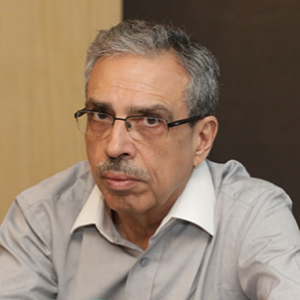
Mr Anoop Kumar Agrawal, Principal Secretary, Technical Education, Training & Skill Development Department Government of West Bengal
Mr Pawan Arora, Commissioner, Rajasthan Housing Board
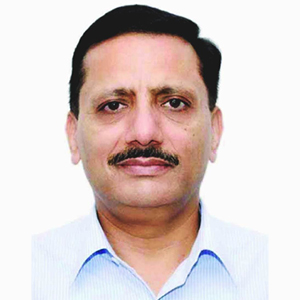
Mr Mohammad Iqbal Chowdhary, Director, Agriculture Production and Farmers Welfare Department, Government of Jammu & Kashmir
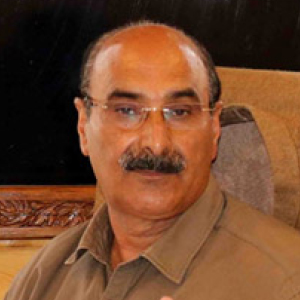
Mr Amarjeet Kumar Sharma, Director, Directorate of Higher Education, Himachal Pradesh
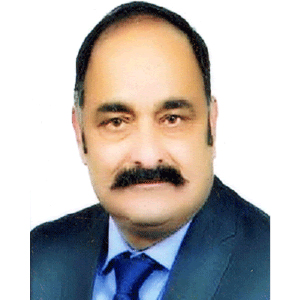
Mr Bhushan Mohan
Senior Fellow, SKOCH Development Foundation & Former Principal Consultant, NeGD
Mr Anoop Kumar Agrawal
Principal Secretary, Technical Education, Training & Skill Development Department, Government of West Bengal
Mr Amarjeet Kumar Sharma
Director, Directorate of Higher Education, Himachal Pradesh
Mr Pawan Arora
Commissioner, Rajasthan Housing Board