
Presented By

Knowledge Partner
Supported by Central Govt.



Platinum Sponsors

Sponsored By







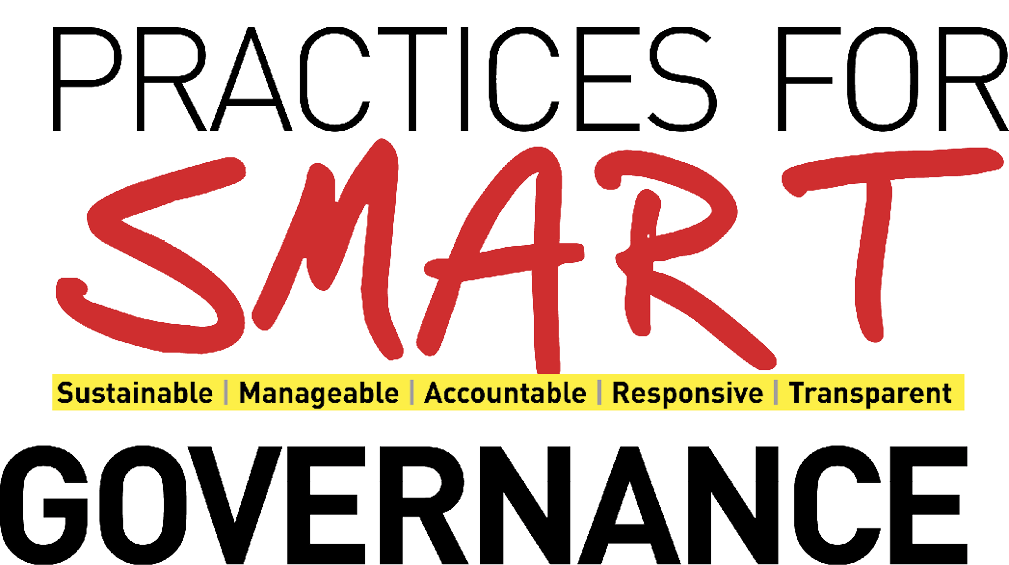
“Practices for Smart Governance” explored how India could turn smart from a buzzword into operating discipline—embedding standards, data, and interoperability in everyday public delivery. With a program anchored by leaders from government, academia and industry, the summit focused on replicable models that shrink leakages, lift service quality, and make institutions learn faster.
The agenda showcased field-tested solutions and state-level playbooks—brought under the Thinkers & Writers Forum and related sessions—that administrators could adapt across contexts. A concurrent body of work highlighted “state-level replicable practices,” underscoring that good governance scales when practices are documented, evidenced, and transplanted with fidelity.
Recognition segments reinforced the “outcomes over optics” ethic: initiatives like NIC Sheopur’s Patwari Halka Modernization Programme earned SKOCH Order-of-Merit citations, illustrating how digitisation and process reform can concretely improve citizen-facing land records and services. The message was clear—smart governance is proven in operations, not announcements.