SKOCH Summit






About
In an age of rapid technological change, geopolitical shifts, and escalating demands for equity and sustainability, the nexus of economy and law stands as a critical battleground for shaping the future. The Mega Conference on Economy and Law, scheduled for 29th March 2025, is designed to interrogate this intersection through a multidimensional lens—justice, innovation, governance, and global responsibility. By bringing together policymakers, legal scholars, industry leaders, activists, and sustainability experts, this event will confront the challenges and opportunities defining our era. Under the theme “Navigating New Frontiers in Economic Justice and Legal Frameworks,” we aim to rethink how economic systems and legal structures can either perpetuate inequities or pave the way for a more inclusive, resilient world.
Agenda
0900 - 1430
An Agenda for Reforms
India’s regulatory framework has long been characterized by excessive compliance, outdated colonial-era laws, and a political reluctance to dismantle inefficient regulations. Overzealous regulation often benefits lower-level bureaucracy more than businesses or citizens, leading to economic distortions where small firms are romanticized while large firms face disproportionate scrutiny.
The Economic Survey 2024 highlights the urgency of deregulation, emphasizing that India’s projected sub-7% GDP growth is insufficient to meet its economic aspirations. Case studies from Haryana, Tamil Nadu, Punjab, and Andhra Pradesh demonstrate how targeted deregulation has improved the ease of doing business. However, reforms must go beyond surface-level changes—India needs a structural shift in regulatory design, eliminating litigation-prone provisions, reducing compliance costs, and creating a predictable, business-friendly environment.
This panel discussion will explore key aspects of regulatory reform, including the problem of path dependence, the role of state-level deregulation, and the impact of excessive compliance on economic growth. The discussion will also assess the feasibility of the newly announced High-Level Committee on regulatory reform and whether a one-year review period is sufficient.
A major focus will be on institutionalizing pre-screening mechanisms to prevent business-stifling regulations from entering the system in the first place. Additionally, the panel will debate how India can balance deregulation with necessary oversight, ensuring that labour rights, environmental standards, and consumer protections are not compromised. The session will conclude with policy recommendations, identifying priority sectors for reform and outlining a roadmap to sustain an 8%+ GDP growth trajectory.
Arrival & Registration
Breakfast, Conversation and Pictures with Mr Sameer Kochhar, Chairman, SKOCH Group
Welcome: Dr Gursharan Dhanjal, Vice Chairman, SKOCH Group
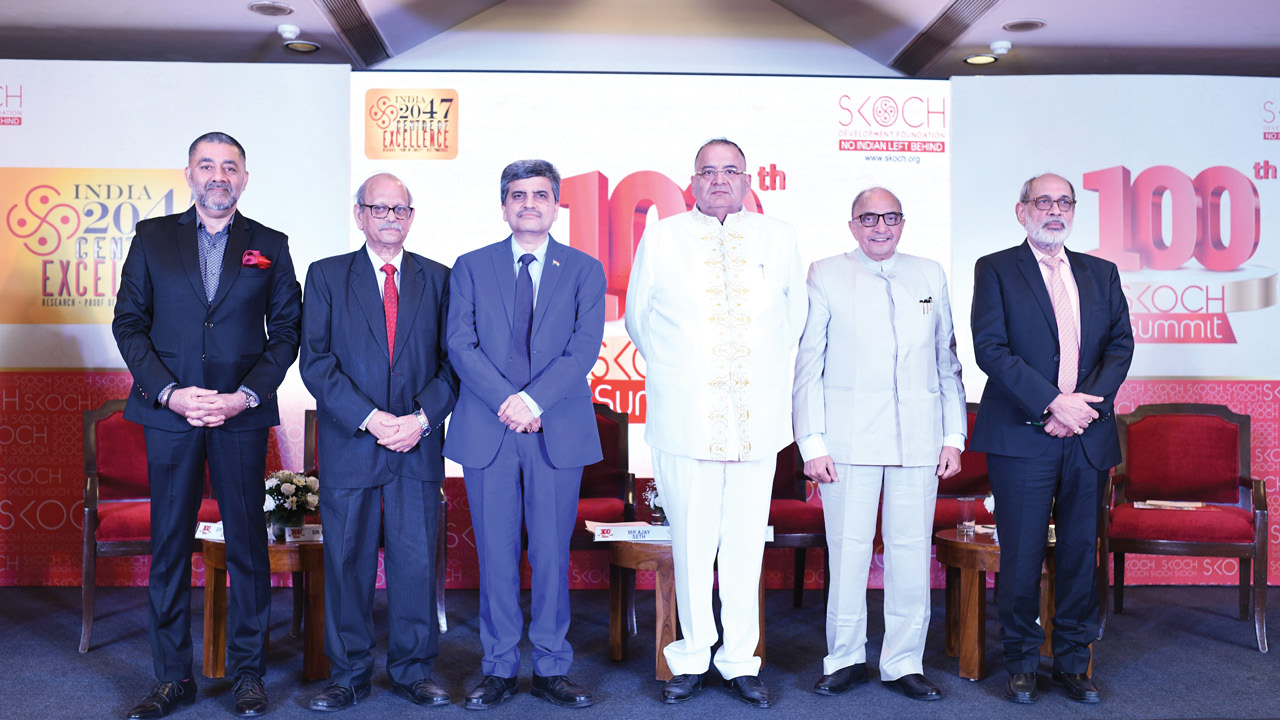
Summary: Dr Gursharan Dhanjal, in his address at the 100th SKOCH Summit, reflected on SKOCH’s 22-year journey since its inception in 2003. He paid tribute to Dr Phatak, the first SKOCH Lifetime Achievement Awardee and guiding mentor, and Dr Ramachandran, whose collaboration led to Project Aarohi, a milestone in digital education. Emphasizing SKOCH’s commitment to truth, research, and governance, he noted how challenges only strengthened their resolve. Describing SKOCH as a growing movement—the SKOCH Parivaar—he likened its progress to building a skyscraper, brick by brick. He concluded with gratitude and reaffirmed SKOCH’s enduring mission, ending with “Jai Hind.”.*
View Full Transcript
Introduction - The Story Thus Far: Dr Deepak B Phatak, Director, SDF and Chairman, Board of Governors, IIT Indore
Summary: Dr Deepak Phatak, at the 100th SKOCH Summit, reflected on witnessing the journey from the first to the 100th summit, calling it one built on ethics and perseverance. He recounted how Sameer Kochhar resigned from a lucrative job on moral grounds, setting the ethical foundation for SKOCH in 1997. Praising the partnership of Dr Gursharan Dhanjal and Sameer as a “complex conjugate pair,” he lauded their efforts in recognizing grassroots innovations like Project Aarohi and stories such as Sulochana Devi’s water initiative. Dr Phatak highlighted SKOCH’s role in honoring unsung public servants and spreading stories of good governance across India. He concluded by revealing it was Sameer Kochhar’s birthday, extending warm wishes and appreciation for his inspiring journey.*
View Full Transcript
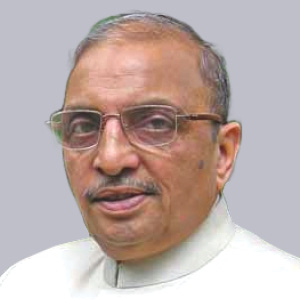
Opening Remarks: Mr Sameer Kochhar, Chairman, SKOCH Group
Summary: Mr Sameer Kochhar, at the 100th SKOCH Summit, reflected on his 23-year journey from founding SKOCH at age 38 to leading it today at 61. He emphasized SKOCH’s evolution into India’s foremost socio-economic think tank, assessing over 3,000 projects annually and documenting inclusive growth stories nationwide. Drawing from his early experiences with poverty, he underscored the need for people-centric policymaking over data-driven economics. He detailed SKOCH’s work in developing Indian indices to correct global bias in rankings on governance, e-governance, and human development, showcasing India’s real strengths. Kochhar also introduced frameworks like the Governance Outcomes Index, Financial Prudence Index, and Government Efficiency Index to evaluate states more accurately. Highlighting studies on ESG standards, human rights in business, and digital addiction, he urged recognition of India’s unique socio-economic realities. Concluding, he called for creating a national socio-economic narrative and institutional support for applied research, reaffirming SKOCH’s mission to champion equitable growth.*
View Full Transcript
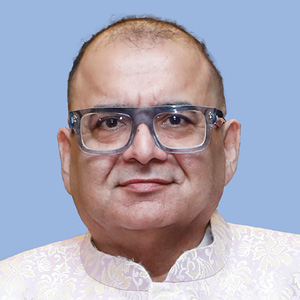
Inaugral Keynote: Mr Ajay Seth, Finance Secretary, Government of India
Summary: Mr Ajay Seth lauded 100 SKOCH Summits for delivering actionable recommendations since 2003, aligning the platform with India’s Viksit Bharat 2047 agenda. He urged India-made solutions—“let a thousand flowers bloom”—and endorsed the summit’s themes: economic justice & legal frameworks, reforms, and sizing/regulating the digital economy. Stressing high, sustained, inclusive growth, he noted state contrasts (e.g., UP’s 5% capex/GSDP) and that growth must precede redistribution. He outlined four growth engines—agriculture; MSME & manufacturing; investment (people, economy, innovation); exports (with near-term headwinds)—with reforms as fuel. On justice and law, he sought a balance between rights and opportunity and a shift from control-heavy compliance to trust-and-guardrails regulation. He cautioned that digital tech, while transformative, can enable over-regulation and distraction, and welcomed ongoing reform tracks (non-financial HLC, FSDC workstreams) and competitive cooperative federalism. He closed by inviting actionable recommendations to accelerate inclusive, resilient growth.*
View Full Transcript
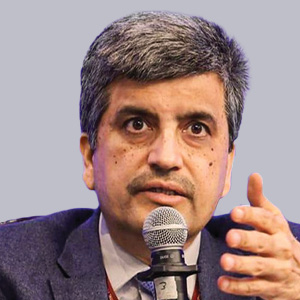
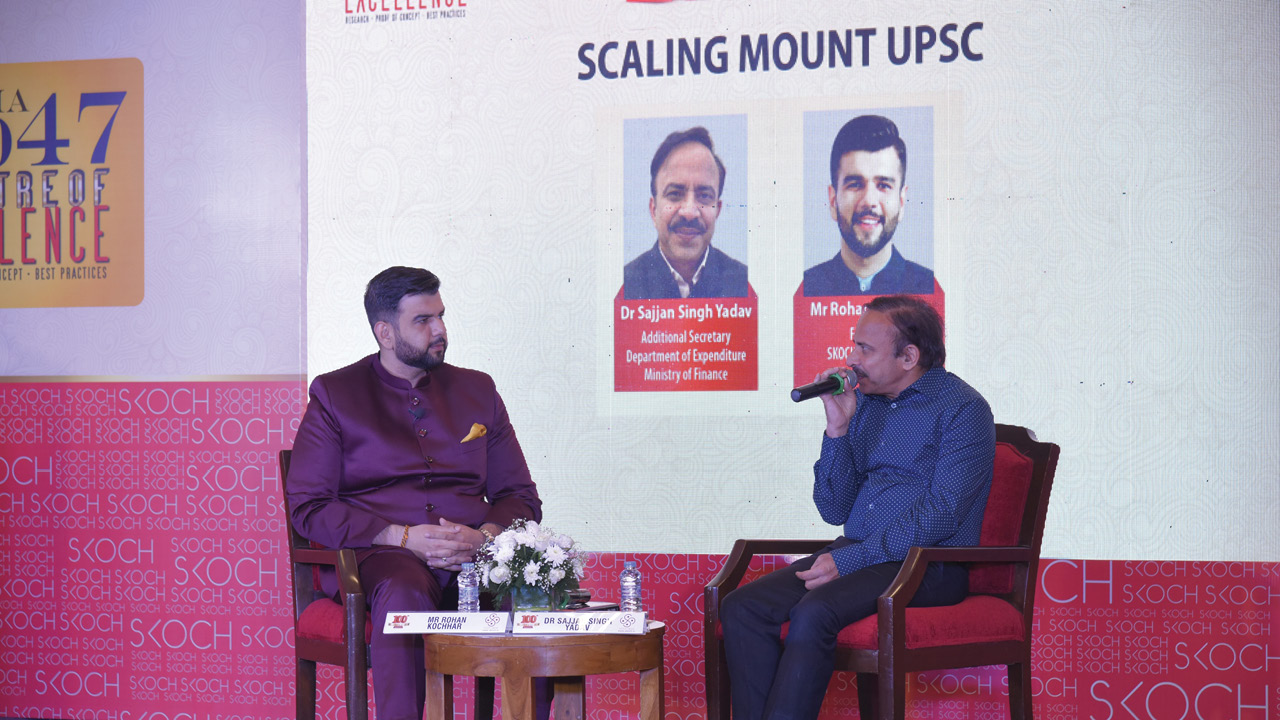
SCALING MOUNT UPSC: Chat between Dr Sajjan Singh Yadav, Additional Secretary, Department of Expenditure, Ministry of Finance and Mr Rohan Kochhar, Founder, SKOCH Law Offices
Summary: This episode of “Chat with Rohan” features Sajjan Singh Yadav (Additional Secretary in India’s finance ecosystem and author), who shares inspirational, real-life UPSC journeys. He recounts Bharat Singh’s rise from a servant-quarter childhood and bullying at an elite school (via EWS entry) to DTU, a Tata Motors job, and finally West Bengal–cadre SDM after quitting to pursue the IAS. He tells Anjali Sharma’s story—who lost her sight to brain TB in Class 10, relearned life and studies through listening and self-study (YouTube), topped school, and cracked UPSC (Bihar cadre). He profiles Satyam Gandhi, a modest-background student who, after being ruled out of NDA due to color blindness, studied 14 hours a day in a tiny room through COVID hardships and placed AIR 10 in his first attempt. He highlights Wasim Bhatt from Kashmir, whose family backed his Delhi prep; after an initial IRS selection (AIR 245) and a failed second prelims, he returned to place AIR 7 (IAS, MP cadre). Yadav also recalls freeing ~5,000 bonded laborers as DC in Arunachal, including rescuing workers from a state home minister’s residence. Closing advice: coaching is optional—focused self-study, good notes, and disciplined preparation can suffice; if you take coaching, choose sparingly and avoid time sinks.&
View Full Transcript
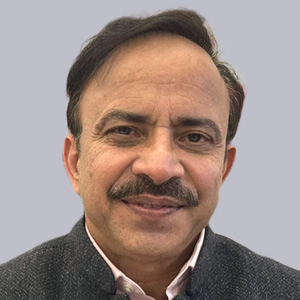

UNEQUAL ECONOMIC GROWTH OF INDIAN STATES 1960-2024: Dr N C Saxena, Distinguished Fellow, SKOCH Development Foundation and Former Secretary, Government of India
Summary: Dr N C Saxena’s address at focused on the persistent and deepening interstate inequalities in India despite decades of economic growth. He noted that while India’s GDP and infrastructure have improved since liberalization, the gap between richer and poorer states has widened sharply — Bihar’s income now being one-fifth that of advanced states like Karnataka or Telangana. Historically, he explained, colonial land systems and work cultures shaped regional disparities, with western and southern states gaining advantages in education, governance, and industrialization. Saxena highlighted how rigid regulations, licensing barriers, and poor governance in states like Uttar Pradesh and Bihar have hindered progress, whereas southern states benefited from reforms, urbanization, and social movements. He criticized fiscal transfers and centrally sponsored schemes for favoring richer states, citing MGNREGA allocations as an example. Dr. Saxena urged reforms to align fund transfers with poverty ratios, remove redundant state controls, and improve governance capacity in poorer regions to foster equitable growth and social justice.*
View Full Transcript
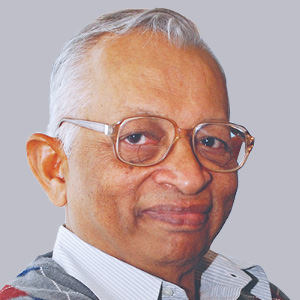
STATE OF DIGITAL ECONOMY: Dr Deepak Misra, Director and Chief Executive, ICRIER
Summary: Dr Deepak Mishra presented insights from the newly released State of India’s Digital Economy report emphasizing how global digitalization indices misrepresent developing nations like India by using outdated telecom-era metrics that ignore scale and rely narrowly on fixed broadband indicators. He explained ICRIER’s new CHIPS framework—Connect, Harness, Innovate, Protect, Sustainability—which measures both aggregate and per-user digital performance through 47 indicators. India, he noted, ranks 3rd globally on overall scale, 28th on per-user intensity, and 8th when the two are combined, reflecting strong digital infrastructure but unequal citizen access. While India excels at harnessing technology for services and exports, it lags in innovation and AI infrastructure. He critiqued global AI-readiness rankings for overlooking the rapid rise of the Global South and highlighted an emerging AI duopoly dominated by the US and China, which together account for about 75 percent of unicorn value and AI venture funding. Stressing the need for strategic investment, Mishra urged India to strengthen AI infrastructure, diversify beyond mobile-led access, and pursue partnerships with innovation-rich nations like Singapore, Korea, and Japan. He concluded that India must move from being merely a user of digital technologies to becoming a global influencer in the ongoing technological revolutions, ensuring that “no Indian is left behind.”*
View Full Transcript
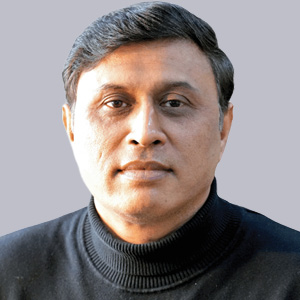
An Agenda for Reforms
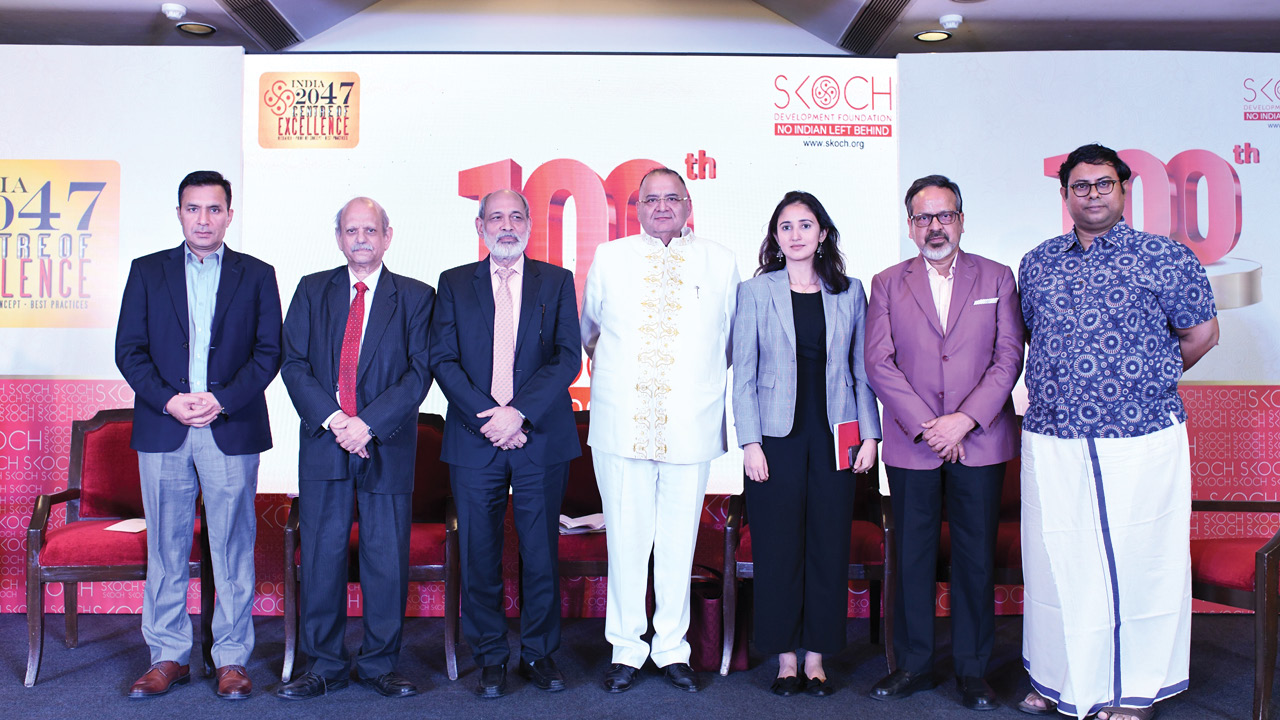
Chaired by Dr M Ramachandran, the panel sketched an actionable reform agenda spanning growth, equity, and governance. Dr M Govinda Rao flagged regional imbalances as politically and economically explosive, urging basics first—rule of law, quality public goods, human capital, urban services, connectivity, and openness—illustrating with Karnataka’s intra-state divergence. Pranjul Bhandari read India’s current ~6.5% growth as “safe but insufficient,” advocating reforms to reach sustainable 7.5–8%: cut tariff walls, fast-track FTAs, keep the rupee flexible, welcome FDI—especially in labor-intensive mid-tech like textiles, footwear, food processing—so India truly benefits from supply-chain realignments. Dr Ram Singh targeted binding regulatory drags: costly land-use rules, criminal provisions across business laws, and rent control distortions; he called for lighter, predictable regulation and data-ready legal frameworks to boost investment efficiency. Dr V N Alok stressed that inclusive growth needs inclusive governance—empower panchayats/municipalities per the 73rd/74th Amendments, strengthen State Finance/Election Commissions, and align electoral rolls and functions. Dr Hindol Sengupta spotlighted “reforms of small things”: inter-agency data silos, compliance frictions (e.g., GST for rented offices), housing/real-estate subvention fiascos, and rental bias against single women; he urged formalization for dignity in work and leveraging India’s own civilizational brand in global markets. Overall: fix the fundamentals, de-clog regulation, decentralize delivery, and align trade/FDI policy with job-rich manufacturing—so growth is faster, fairer, and felt locally.*
Chair: Dr M Ramachandran, Distinguished Fellow, Skoch Development Foundation and Former Secretary, GoI
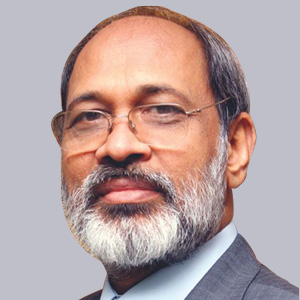
Dr M Govinda Rao, Chairman, Karnataka Regional Imbalances Redressal Committee, and Former Director, NIPFP
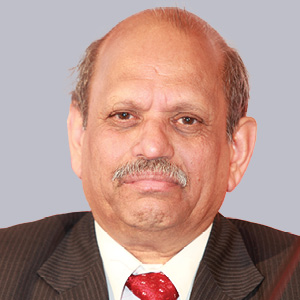
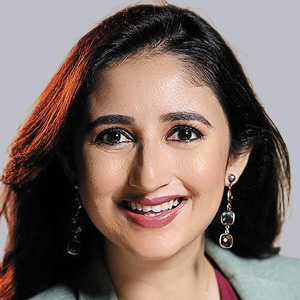
Ms Pranjul Bhandari, Managing Director, Chief India Economist and Asean Economist, HSBC & Adviser, 16th Finance Commission
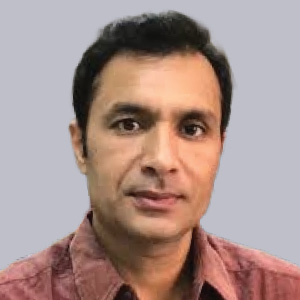
Dr Ram Singh, Director, Delhi School of Economics
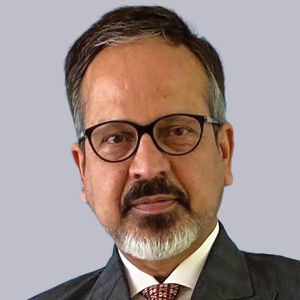
Dr V N Alok, Professor, Indian Institute of Public Administration (IIPA)
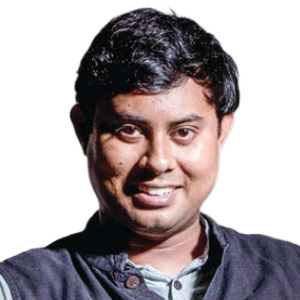
Dr Hindol Sengupta, Historian & Professor, O.P. Jindal Global University (JGU)
Discussion
Closing remarks of the Chair
Lunch curated by Mr Sameer Kochhar in Honour of the Awardees
* This summary content is AI generated. It is suggested to read the full transcript for any furthur clarity.
Dr M Govinda Rao
Chairman, Karnataka Regional Imbalances Redressal Committee, and Former Director, NIPFP
Dr. M. Govinda Rao is the Chairman of the Karnataka Regional Imbalances Redressal Committee and a distinguished economist with a long and impactful career in public policy and economic research. He is also the former Director of the National Institute of Public Finance and Policy (NIPFP), where he contributed significantly to the development of fiscal policy and public finance in India. Dr. Rao's expertise spans areas such as economic planning, fiscal decentralization, and regional development. His work has influenced policy decisions related to equitable growth, financial inclusion, and addressing regional imbalances in India.
View MoreMr Ajay Seth
Finance Secretary, Government of India
Mr. Ajay Seth is a seasoned civil servant and policymaker, currently serving as the Secretary, Department of Economic Affairs (DEA), Ministry of Finance, Government of India. With extensive experience in economic governance, fiscal management, and financial sector reforms, he plays a key role in shaping India’s economic policies.A senior Indian Administrative Service (IAS) officer, Mr. Seth has held various leadership positions in central and state governments, driving initiatives in infrastructure, public finance, and investment strategies. His expertise in economic planning and financial reforms continues to strengthen India’s fiscal and economic landscape.
View MoreMs Pranjul Bhandari
MD, Chief India Economist and Asean Economist, HSBC & Adviser, 16th Finance Commission
Ms. Pranjul Bhandari is a prominent economist and a key figure in India's economic landscape. She serves as an Adviser to India's Sixteenth Finance Commission, contributing her expertise in fiscal policy and economic governance. In addition to her advisory role, Ms. Bhandari is the Managing Director, Chief India Economist, and ASEAN Economist at HSBC, where she leads economic research and analysis for India and the broader ASEAN region. With a deep understanding of macroeconomics, financial markets, and policy developments, Ms. Bhandari plays a crucial role in shaping economic strategies and advising stakeholders on key economic trends and challenges.
View MoreDr M Ramachandran
Distinguished Fellow, SKOCH Development Foundation and Former Secretary, GoI
Dr. M. Ramachandran is a former Secretary to the Government of India with an esteemed career in public service. He has served in various key positions across multiple government departments, with a focus on urban development, housing, and infrastructure. Dr. Ramachandran is recognized for his expertise in policy formulation, administrative reforms, and the implementation of large-scale projects aimed at improving the quality of life for citizens. His leadership and contributions have been pivotal in shaping urban governance and infrastructure development in India.
View MoreDr N C Saxena
Distinguished Fellow, SKOCH Development Foundation and Former Secretary, GoI
Dr. N.C. Saxena is a former Secretary to the Government of India and a distinguished civil servant known for his significant contributions to the Indian government. Over the course of his career, Dr. Saxena has held key positions in various sectors, including rural development, planning, and public administration. He played an instrumental role in shaping policy and spearheading numerous initiatives aimed at improving governance and development at the grassroots level. Dr. Saxena's work has had a lasting impact on India's development programs, particularly in areas related to poverty alleviation, rural employment, and social welfare.
View MoreDr Deepak Misra
Director and Chief Executive, ICRIER
Deepak Mishra is the Director and Chief Executive of the Indian Council for Research on International Economic Relations (ICRIER). Prior to joining ICRIER, he was the Practice Manager at the World Bank’s Macroeconomics, Trade, and Investment Global Practice, responsible for East Asia and Pacific region. Deepak has held various positions at the World Bank, including the Co-director of the World Development Report 2016 (Digital Dividends), Country Economist for Ethiopia, Pakistan, Sudan and Vietnam. His research work has been published in various academic journals including the Journal of Development Economics, the Journal of International Economics and the Journal of Agriculture Economics.
View MoreDr V N Alok
Indian Institute of Public Administration (IIPA)
Dr. V.N. Alok is a Professor at the Indian Institute of Public Administration (IIPA), a premier institution dedicated to public administration and governance studies in India. With a strong academic and research background, Dr. Alok specializes in areas such as public policy, governance reforms, and administration. His work focuses on improving public sector management and enhancing the efficiency of government programs. As a faculty member at IIPA, Dr. Alok has contributed significantly to shaping the understanding of public administration in India, mentoring future leaders in governance and policy implementation. His research and teachings continue to influence public administration practices across the country.
View MoreDr Deepak B Phatak
Director, SKOCH Development Foundation and Chairman, Board of Governors, IIT Indore
Dr. Deepak B. Phatak is the Director of SKOCH Development Foundation and serves as the Chairman of the Board of Governors at IIT Indore. He is renowned for his contributions to the fields of education and technology in India. Dr. Phatak has played a pivotal role in advancing technical education and research, particularly through his leadership at IIT Indore. Dr. Phatak's expertise and vision continue to inspire advancements in academia, technology, and public policy across the country.
View MoreDr Ram Singh
Director, Delhi School of Economics
Dr. Ram Singh is the Director of the Delhi School of Economics, a prestigious institution known for its academic excellence in economics and related fields. With a strong academic background and expertise in economic theory and applied research, Dr. Singh has made significant contributions to the development of economic policy and education in India. His leadership at the Delhi School of Economics has helped further its reputation as a leading center for economic research and scholarship. Dr. Singh's work spans areas such as public finance, economic development, and international trade, and he is highly regarded for his role in shaping India's economic academic landscape.
View MoreDr Hindol Sengupta
Historian & Professor, O.P. Jindal Global University (JGU)
Dr. Hindol Sengupta is a renowned historian, author, and professor at O.P. Jindal Global University (JGU). A distinguished scholar, he has authored multiple critically acclaimed books on history, politics, and culture, offering deep insights into India’s past and present. With expertise in historical research and policy analysis, Dr. Sengupta’s work bridges academia and public discourse. His contributions to historical scholarship and global discussions on India’s socio-economic evolution have earned him widespread recognition.
View MoreMr Sameer Kochhar
Chairman, SKOCH Group
Reforms historian and author of best-seller ModiNomics, Sameer Kochhar is Chairman, SKOCH Group. He is a passionate advocate of social, digital and financial inclusion and is a foremost expert on governance and inclusive growth. His work has been acclaimed globally and endorsed by Mr Narendra Modi, Mr M Venkaiah Naidu, Dr Manmohan Singh, Mr Arun Jaitley, Mr P Chidambaram, Mr Yashwant Sinha, Dr C Rangarajan and Dr Montek Singh Ahluwalia and so on. In his thinking and writings and activities, his profound admiration for India's economic reforms and in extension, those outstanding personalities who strive to make these reforms more meaningful and broad-based comes out clear and unambiguous.
View MoreDr Sajjan Singh Yadav
Addl Secretary, Department of Expenditure, Ministry of Finance
Dr. Sajjan Singh Yadav is the Additional Secretary in the Department of Expenditure, Ministry of Finance, Government of India. With a distinguished career in public administration, Dr. Yadav has played a key role in financial management, policy formulation, and governance reforms within the Indian government. His expertise spans across public finance, budget management, and fiscal policy, contributing significantly to the effective allocation and utilization of public resources. Dr. Yadav's work continues to impact the efficiency and transparency of government expenditure, supporting India's economic growth and fiscal health.
View MoreMr Rohan Kochhar
Founder, SKOCH Law Offices
Rohan Kochhar stands at the intersection of economics, social science, and law, leveraging his multidisciplinary expertise to drive impactful change in public policy, emerging technologies, and ESG (Environmental, Social, and Governance) initiatives. As the founder of SKOCH Law Offices, Rohan has built a boutique law firm renowned for its deep domain knowledge and innovative approach to legal challenges.
View MoreAgenda
1600 - 2015
Sizing & Regulating Digital Economy
India’s digital economy is growing at a breakneck pace—with projections of reaching a multi-trillion dollar contribution to GDP by 2030—yet its rapid expansion brings with it significant challenges in both accurately measuring its scale and in crafting regulatory frameworks that foster innovation while protecting consumer interests. The challenge is twofold. First, traditional metrics and global indices often fail to capture India’s unique digital landscape where the aggregate scale (e.g., total number of internet users, volume of digital transactions, and network effects) contrasts sharply with per capita measures of digital engagement. Second, regulatory frameworks designed elsewhere—such as those reflected in the EU’s GDPR—do not always translate well into India’s socio-economic and federal context.
Recent policy debates underscore that the digital economy’s size is not merely about connectivity numbers or transaction volumes. It also involves capturing the broader economic impact, digital inclusion (especially among MSMEs and marginalized groups), and the qualitative benefits of innovation. Key reports and discussion papers highlight that while India may rank highly when measured at an aggregate level, the experience of the individual user remains uneven due to digital divides across rural–urban lines, gender gaps, and varying levels of digital literacy.
On the regulatory side, India’s experience with the GST Council offers a promising example of successful center–state co-regulation. The GST Council’s inclusive model—where federal and state governments work collaboratively to harmonize taxation policies—illustrates that well-designed, co-regulatory spaces can yield robust, implementable policy outcomes. However, when it comes to digital regulation, such as the enforcement of the Digital Personal Data Protection (DPDP) Act and the Telecom Commercial Communications Customer Preference (TCCP) Regulations, the challenge remains to balance stringent consumer protection with the need for innovation and cost-effective compliance, particularly for smaller businesses and startups.
The current regulatory landscape is marked by debates on issues like:
- How to effectively measure the size of Indian Digital Economy? Is measuring the impact of Digital India a better approach?
- How to balance regulation uniformity, ease of doing business and federalism in a Digital Economy? Is GST Council model a good way forward?
- How best to ensure data protection without imposing burdens that may stifle entrepreneurial growth.
- Whether a one-size-fits-all approach is suitable given the diverse range of digital services—from e-commerce and fintech to digital health and local retail.
- The importance of regulatory impact assessments to gauge the economic costs and benefits of these policies.
In this context, there is growing advocacy for the creation of more inclusive and co-regulatory spaces. Such platforms could enable a broader spectrum of voices—policy experts, consumer rights groups, industry leaders, and citizens—to contribute to a more nuanced regulatory framework that is adaptive to India’s evolving digital economy.
Arrival & Registration
Tea, Conversation and Pictures with Mr Sameer Kochhar, Chairman, SKOCH Group
Opening Remarks: Mr Sameer Kochhar, Chairman, SKOCH Group
Summary: In his opening remarks, Mr Sameer Kochhar offered a candid and pragmatic perspective. He noted, half-jokingly, that he held “two advantages” over the distinguished panel—being the least educated (only Class 12) and the most blunt, a quality once acknowledged by the late Arun Jaitley. Referring to the Digital Personal Data Protection (DPDP) Act, he argued that India was not yet at the maturity level needed to impose such heavy compliance burdens across the board. Drawing from SKOCH’s own research, he warned that making the Act mandatory for MSMEs could shave off nearly 1.5% of India’s GDP, due to the disproportionate cost of compliance. Until the economy and regulatory ecosystem mature further, he advised staying away from enforcing the DPDP Act broadly, allowing only large corporations—which have the resources and systems—to comply. His statement underscored the need for practical, phased reforms rather than one-size-fits-all regulatory overreach.*
View Full Transcript
State of Municipal Governance: Dr M Ramachandran, Distinguished Fellow, Skoch Development Foundation and Former Secretary, Government of India
Summary: Dr M Ramachandran emphasized that India’s journey to Viksit Bharat 2047 will hinge on empowering its cities, as most future growth will be urban-led. Despite the 74th Constitutional Amendment, urban local bodies remain weak, lacking funds, functions, and functionaries. He traced reform efforts since the JNNURM (2005–06), noting partial progress on devolution and service delivery. Urban challenges—mobility, water, waste, housing, and drainage—persist due to poor planning and fragmented responsibilities. Only a third of India’s 8,000 towns have master plans, and many census towns remain rural on paper. He called for Unified Metropolitan Transport Authorities, stronger fiscal tools like municipal bonds, and citizen-centric benchmarking of city services. Governance, he said, must move closer to the people through empowered mayors, ward committees, and area sabhas. Without real local empowerment and accountability, he warned, India’s urban mess will continue to hold back national progress.*
View Full Transcript
Sizing & Regulating Digital Economy
The panel highlighted that defining, measuring, and regulating the digital economy is inherently complex because “digital” activity cuts across physical goods, services, platforms, and user-generated value, making precise classification impossible. Most countries, including India, rely on evolving estimates rather than exact metrics, with high-frequency datasets like GST seen as useful but still imperfect. Conventional GDP and national accounts significantly understate digital value, especially free services and data-driven platforms. Regulation is further complicated by cross-border digital monopolies that function like utilities, creating jurisdictional and dependency risks. MSMEs face the greatest challenge, as many operate informally and lack the capacity to meet heavy compliance burdens, particularly under GST and emerging data protection laws. Panelists stressed the need for graded, proportional regulation to avoid stifling innovation and inclusion. Self-regulation was viewed as risky due to conflicts of interest, while copying Western models was cautioned against. Overall, the consensus was that India needs India-specific metrics, scalable compliance systems, and a consultative but effective regulatory framework that balances data protection, competition, and growth.
Chair: Dr Deepak B Phatak, Director, SKOCH Development Foundation and Chairman, Board of Governors, IIT Indore
Dr Jaijit Bhattacharya, Founder & President, Centre for Digital Economy Policy Research
Dr Suranjali Tandon, Associate Professor, NIPFP
Mr Anil Bhardwaj, Secretary General, FISME

Mr Jaspreet Singh, Clients and Markets Leader - Advisory Services, Grant Thornton Bharat LLP
Mr Rohan Kochhar, Founder, SKOCH Law Offices
Discussion
Remarks of the Chair
Acceptance by Ms Pranjul Bhandari, Managing Director, Chief India Economist and Asean Economist, HSBC & Adviser, 16th Finance Commission
Acceptance by Dr Ram Singh, Director, Delhi School of Economics
Acceptance by Dr V N Alok, Professor, Indian Institute of Public Administration (IIPA)
Acceptance by Dr Hindol Sengupta, Historian & Professor, O.P. Jindal Global University (JGU)
Dinner curated by Mr Sameer Kochhar in Honour of the Awardees
* This summary content is AI generated. It is suggested to read the full transcript for any furthur clarity.
Dr Deepak B Phatak
Director, SKOCH Development Foundation and Chairman, Board of Governors, IIT Indore
Dr. Deepak B. Phatak is the Director of SKOCH Development Foundation and serves as the Chairman of the Board of Governors at IIT Indore. He is renowned for his contributions to the fields of education and technology in India. Dr. Phatak has played a pivotal role in advancing technical education and research, particularly through his leadership at IIT Indore. Dr. Phatak's expertise and vision continue to inspire advancements in academia, technology, and public policy across the country.
Dr M Ramachandran
Distinguished Fellow, SKOCH Development Foundation and Former Secretary, GoI
Dr. M. Ramachandran is a former Secretary to the Government of India with an esteemed career in public service. He has served in various key positions across multiple government departments, with a focus on urban development, housing, and infrastructure. Dr. Ramachandran is recognized for his expertise in policy formulation, administrative reforms, and the implementation of large-scale projects aimed at improving the quality of life for citizens. His leadership and contributions have been pivotal in shaping urban governance and infrastructure development in India.
Dr Suranjali Tandon
Associate Professor, NIPFP
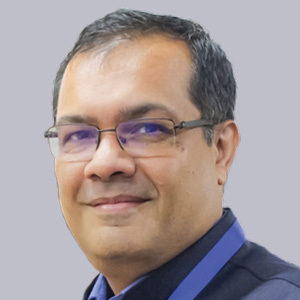
Dr. Suranjali Tandon is an Associate Professor at the National Institute of Public Finance and Policy (NIPFP), a premier research institute in India focused on public finance and economic policy. With a specialization in fiscal policy, public finance, and development economics, Dr. Tandon has made significant contributions to research and policy discussions in these areas. Her work focuses on the intersection of economic theory, government policy, and real-world applications, particularly in the context of public finance reforms and fiscal decentralization.
Mr Sameer Kochhar
Chairman, SKOCH Group
Reforms historian and author of best-seller ModiNomics, Sameer Kochhar is Chairman, SKOCH Group. He is a passionate advocate of social, digital and financial inclusion and is a foremost expert on governance and inclusive growth. His work has been acclaimed globally and endorsed by Mr Narendra Modi, Mr M Venkaiah Naidu, Dr Manmohan Singh, Mr Arun Jaitley, Mr P Chidambaram, Mr Yashwant Sinha, Dr C Rangarajan and Dr Montek Singh Ahluwalia and so on. In his thinking and writings and activities, his profound admiration for India's economic reforms and in extension, those outstanding personalities who strive to make these reforms more meaningful and broad-based comes out clear and unambiguous.
Mr Anil Bhardwaj
Secretary General, FISME
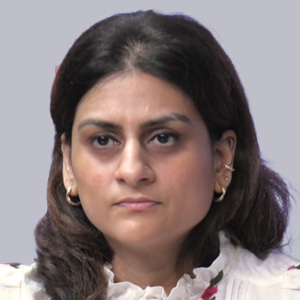
Mr. Anil Bhardwaj is the Secretary General of the Federation of Indian Micro and Small & Medium Enterprises (FISME). With extensive experience in advocating for the interests of micro, small, and medium enterprises (MSMEs), Mr. Bhardwaj plays a crucial role in shaping policy and fostering the growth of India's MSME sector. Under his leadership, FISME works to promote the development of MSMEs by addressing their challenges, such as access to finance, technology, and markets.
Dr Jaijit Bhattacharya
Founder & President, Centre for Digital Economy Policy Research
Dr. Jaijit Bhattacharya is the Founder and President of the Centre for Digital Economy Policy Research, an institution focused on the study and promotion of policies that drive digital transformation in the economy. With a deep expertise in technology, digital infrastructure, and public policy, Dr. Bhattacharya has been at the forefront of advocating for the use of digital technologies to foster economic growth, governance, and sustainability. His work spans areas such as digital economy, data governance, cyber security, and the integration of emerging technologies into public policy.
Mr Jaspreet Singh
Clients and Markets Leader - Advisory Services, Grant Thornton Bharat LLP
Jaspreet Singh is the Clients and Markets Leader - Advisory Services at Grant Thornton Bharat, well-known as a visionary technology leader and trusted advisor. Jaspreet’s deep sectoral expertise helps organizations navigate the complex intersection of innovation and risk, and helps them adopt digital transformation and cybersecurity. With over two decades of consulting experience spanning five continents, he brings a unique global perspective to the critical challenges facing modern enterprises. In his current role, Jaspreet architects large-scale transformation programs for marquee clients worldwide. His strategic guidance has proven instrumental in helping organizations embrace digital innovation while building robust security foundations. His expertise encompasses emerging technologies, artificial intelligence ethics, workforce transformation, and cyber resilience – making him a sought-after voice in shaping the future of business technology.
Dr Gursharan Dhanjal
Vice Chairman, SKOCH Group
Dr Gursharan Dhanjal, MA, M.Phil, PhD from Delhi University, an expert in development economics. He is Vice Chairman, SKOCH Group. He is also Editor of INCLUSION—a quarterly publication that focuses on inclusive growth related areas. He has led various research projects, impact assessments and field studies in MSMEs, women empowerment, entitlements, rights, sanitation, social inclusion, health, financial inclusion, e-governance and ICT for development that included traversing across the country, collecting citizen voices for over two decades now.
Mr Rohan Kochhar
Founder, SKOCH Law Offices
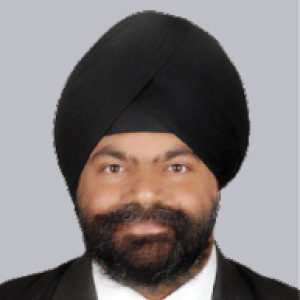
Rohan Kochhar stands at the intersection of economics, social science, and law, leveraging his multidisciplinary expertise to drive impactful change in public policy, emerging technologies, and ESG (Environmental, Social, and Governance) initiatives. As the founder of SKOCH Law Offices, Rohan has built a boutique law firm renowned for its deep domain knowledge and innovative approach to legal challenges.
Valedictory Session and Awards
Ms Pranjul Bhandari
MD, Chief India Economist and Asean Economist, HSBC & Adviser, 16th Finance Commission
Ms. Pranjul Bhandari is a prominent economist and a key figure in India's economic landscape. She serves as an Adviser to India's Sixteenth Finance Commission, contributing her expertise in fiscal policy and economic governance. In addition to her advisory role, Ms. Bhandari is the Managing Director, Chief India Economist, and ASEAN Economist at HSBC, where she leads economic research and analysis for India and the broader ASEAN region. With a deep understanding of macroeconomics, financial markets, and policy developments, Ms. Bhandari plays a crucial role in shaping economic strategies and advising stakeholders on key economic trends and challenges.
Dr Ram Singh
Director, Delhi School of Economics
Dr. Ram Singh is the Director of the Delhi School of Economics, a prestigious institution known for its academic excellence in economics and related fields. With a strong academic background and expertise in economic theory and applied research, Dr. Singh has made significant contributions to the development of economic policy and education in India. His leadership at the Delhi School of Economics has helped further its reputation as a leading center for economic research and scholarship. Dr. Singh's work spans areas such as public finance, economic development, and international trade, and he is highly regarded for his role in shaping India's economic academic landscape.
Dr V N Alok
Indian Institute of Public Administration (IIPA)
Dr. V.N. Alok is a Professor at the Indian Institute of Public Administration (IIPA), a premier institution dedicated to public administration and governance studies in India. With a strong academic and research background, Dr. Alok specializes in areas such as public policy, governance reforms, and administration. His work focuses on improving public sector management and enhancing the efficiency of government programs. As a faculty member at IIPA, Dr. Alok has contributed significantly to shaping the understanding of public administration in India, mentoring future leaders in governance and policy implementation. His research and teachings continue to influence public administration practices across the country.
Dr Hindol Sengupta
Historian & Professor, O.P. Jindal Global University (JGU)
Dr. Hindol Sengupta is a renowned historian, author, and professor at O.P. Jindal Global University (JGU). A distinguished scholar, he has authored multiple critically acclaimed books on history, politics, and culture, offering deep insights into India’s past and present. With expertise in historical research and policy analysis, Dr. Sengupta’s work bridges academia and public discourse. His contributions to historical scholarship and global discussions on India’s socio-economic evolution have earned him widespread recognition.