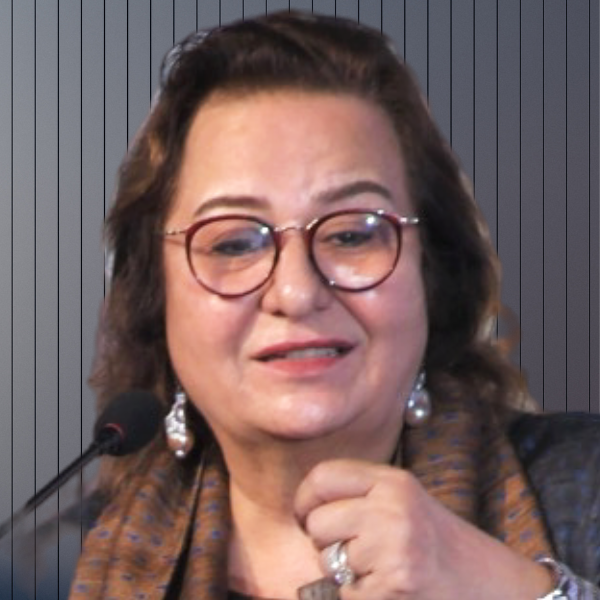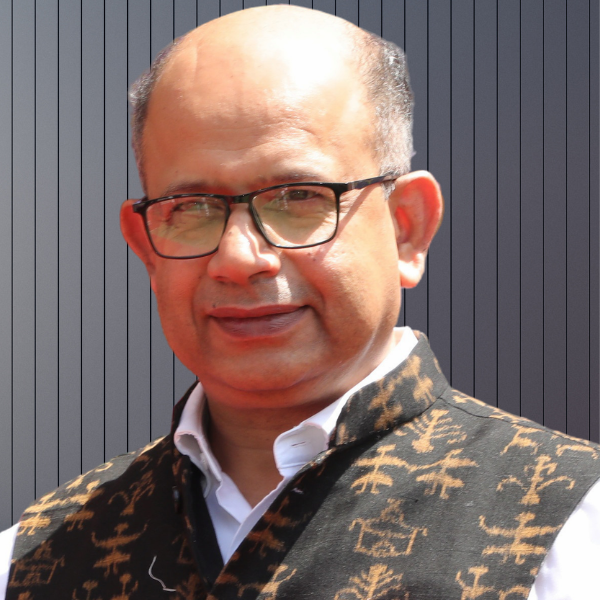

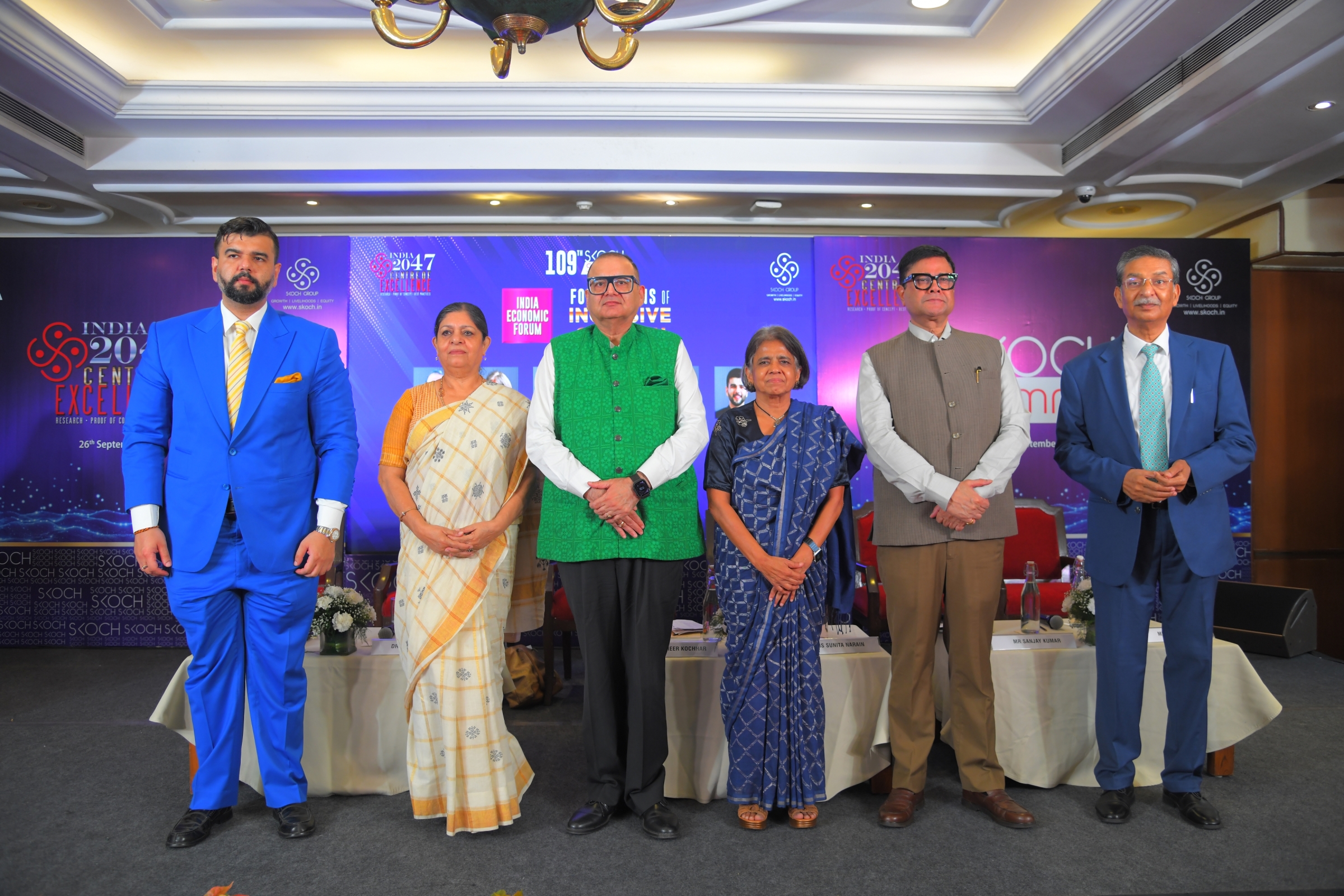
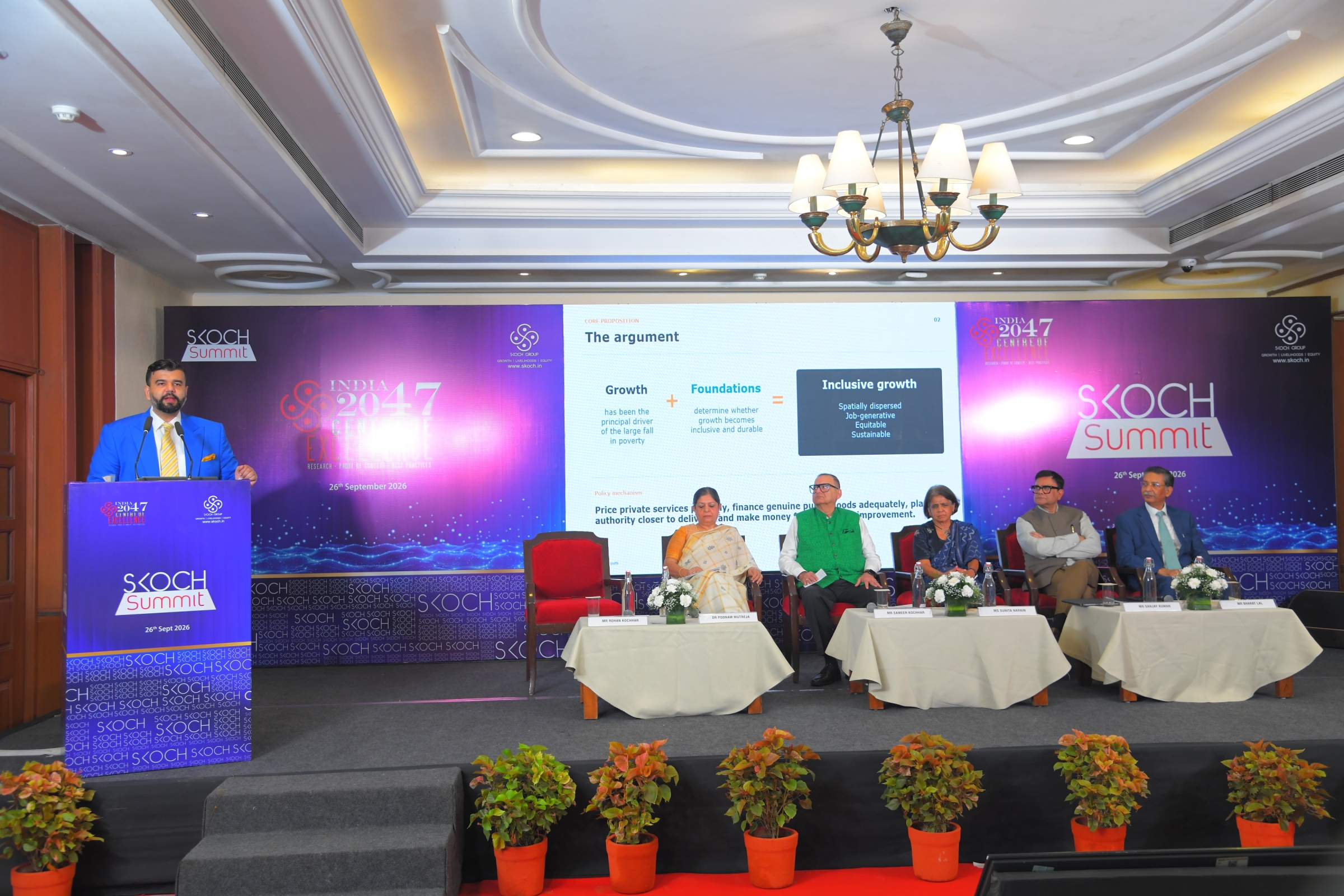
India’s development journey has entered a decisive phase. The national aspiration of Viksit Bharat requires not only higher growth but also better growth—growth that extends beyond metropolitan centres, creates meaningful livelihoods, reduces inequality, and remains ecologically sustainable. This is the context in which SKOCH convenes the 109th SKOCH Summit / India Economic Forum on Foundations of Inclusive Growth.
SKOCH defines inclusive growth as spatially dispersed, job-generative, equitable and sustainable. This definition reflects the reality that growth cannot be judged solely by aggregate output, investment flows or headline economic indicators. It must be assessed by where it occurs, whom it benefits, how many livelihoods it creates, and whether it strengthens or weakens the ecological, social and institutional foundations on which the economy depends.
The conference brings together distinguished voices from the fields of environment, population, education, law, governance, public policy and development. This multidisciplinary approach is important because inclusive growth cannot be understood through economics alone. It requires ecological sustainability, demographic preparedness, human capital, constitutional safeguards, accountable governance and institutional capacity.
A central moment of the conference will be the conferment of the SKOCH Challenger Lifetime Achievement Award, followed by Ms Sunita Narain’s address on Inclusive Growth & Sustainability. Her work places the environment at the heart of development and anchors the conference in sustainability. The subsequent addresses by Dr Poonam Mutreja, Mr Sanjay Kumar, Dr Pinky Anand and Dr Amar Patnaik broaden the theme to include population, education, law, public institutions and governance.
The central proposition of the conference is that India must finance and govern not only the visible infrastructure of growth but also the foundations that make growth durable and just: clean air, safe water, human development, education, public health, gender equity, the rule of law, accountable institutions, and ecological security.
In this sense, inclusive growth is not a welfare add-on to growth. It is the only form of growth capable of sustaining India’s transition to Viksit Bharat.
Arrival, Tea, Meet and Greet
Welcome Dr Gursharan Dhanjal, Vice Chairman, SKOCH Group
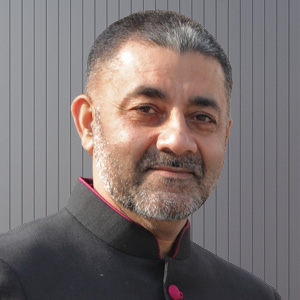
Growth First, Foundations Priced Right:
A Fiscal Architecture for Inclusive Growth
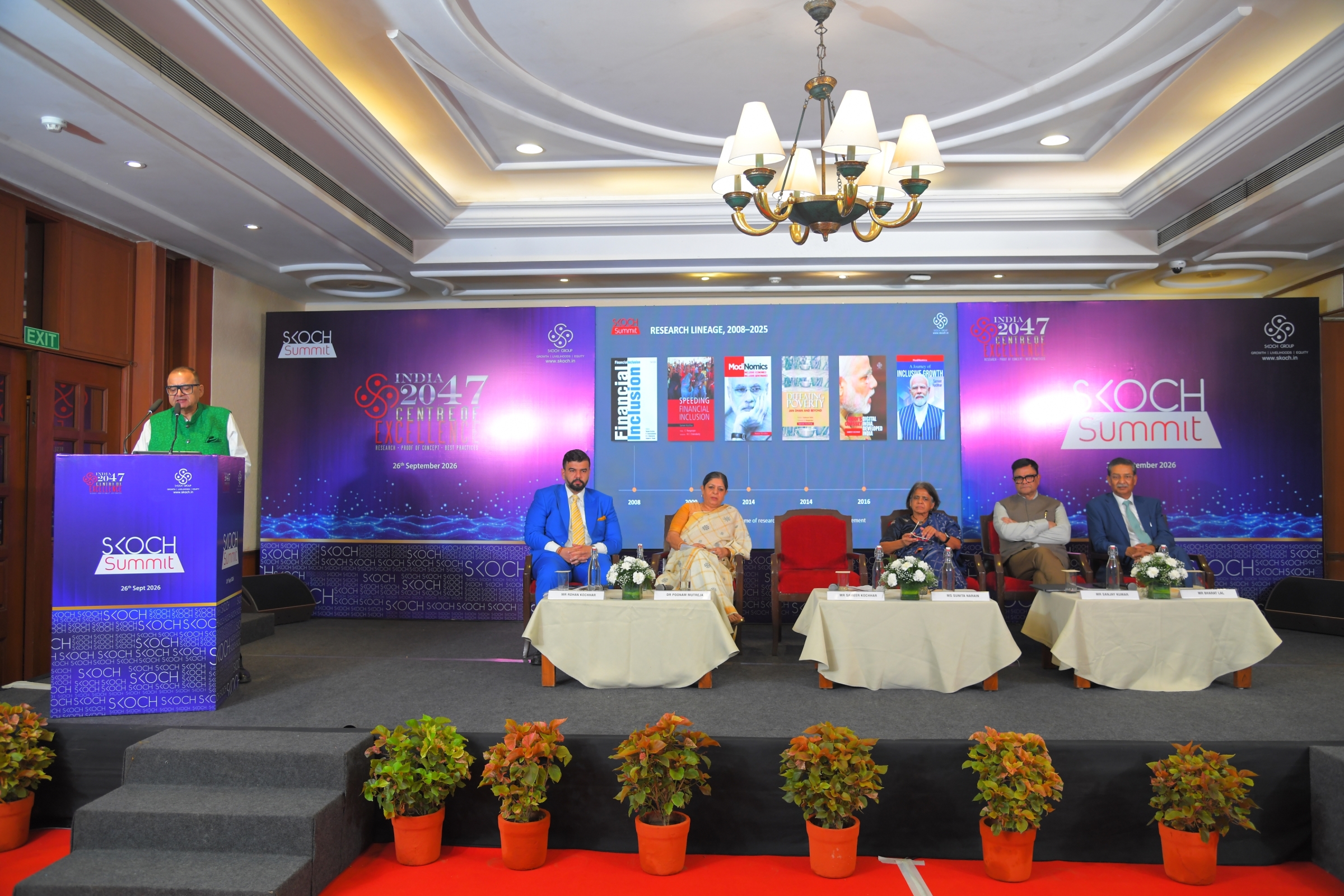
Mr Rohan Kochhar, Founder, SKOCH Law Offices & Mr Sameer Kochhar, Chairman, SKOCH Group
Mr Rohan Kochhar,
Founder, SKOCH Law Offices
Summary:
Thank you, Rohan. I belong to... Rohan, of course, is much younger and he giving me the
credit of deducting the paper. This actually is... I have supported him because I think I am of
an age where I should now hang up my boots and make way for the young.
I belong to a generation like maybe some of us here, which is what I call roti kapda or makan
generation. You know, the biggest problem in our life till fairly recently, till early 2000s, was
poverty. Gareebi.
Gareebi hatao used to be a slogan. And every time, you know, we would get into a poverty
discussion, the government response would be ke aisa karte hain ke gareebi ke baare mein
toh hum kya kar sakte hain. Pehle ek pariharsha banate hain ke gareebi hoti kiya hai.
Toh hamesa, you know, it would start with setting up a committee. Ek committee decide kar
rahi hain ke kaun gareeb hain, kaun gareeb nahin hain. Toh Aradh sahab ki committee thi,
pehle Lakhnawala sahab ki committee thi, pehle Nulkhand committee thi.
View Full Transcript
Honorable ministers, distinguished economists, senior officers, bankers, industry leaders,
colleagues and friends, a very warm welcome to the 109th summit being organized at the
India Habitat Centre today at New Delhi. The paper we present to you today is Growth First
Foundations Priced Right. I remember the year was 2013.
I was a research assistant at the Planning Commission of India. We have Dr. Swetha Narayan
with us today. There was a proposal at that time by a professor from Cambridge to attach
shadow prices to India natural assets and we thought that this is quite a strange idea at
the time.
But 13 years hence in 2026, that might actually not have been a very strange idea at the
time. The title is deliberately sequenced because it says growth first. It does not dilute the
centrality of growth.
View Full Transcript
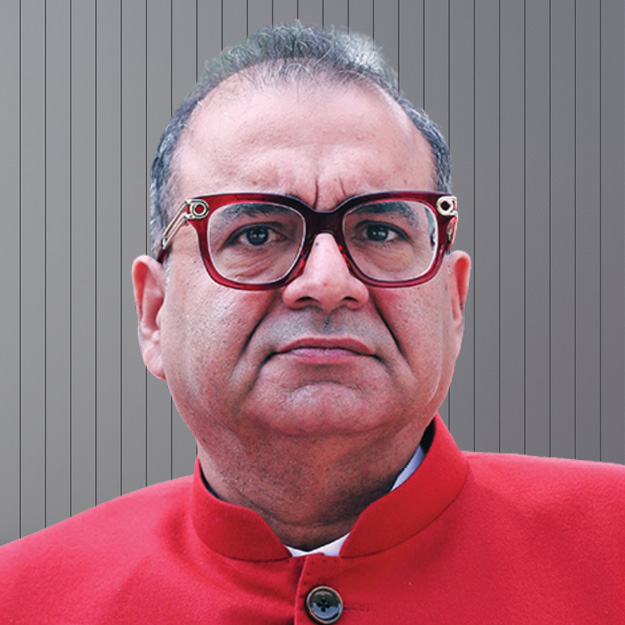

Conferring of SKOCH Challenger Lifetime Achievement Award
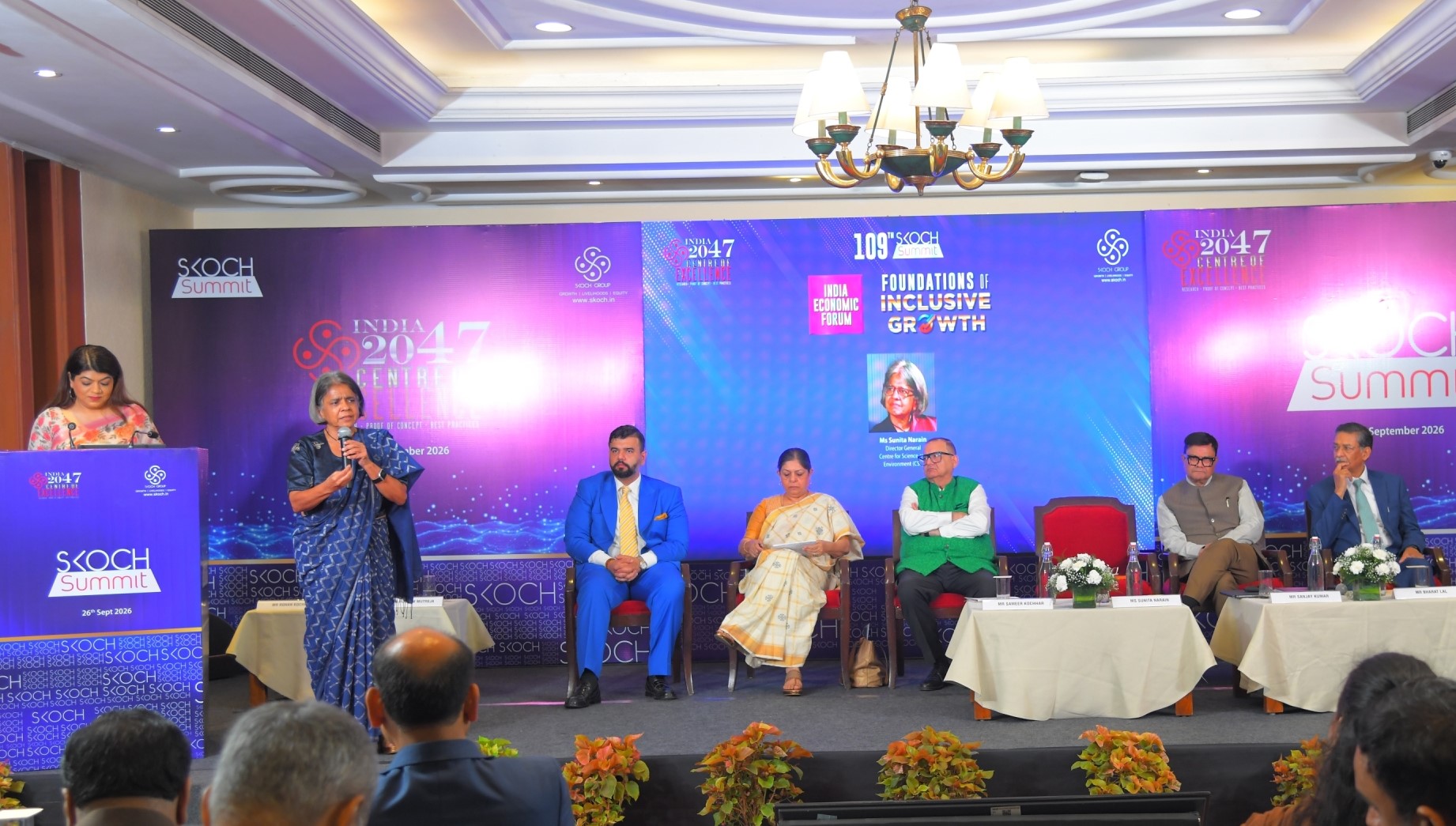
Inclusive Growth & Sustainability: Ms Sunita Narain, Director General, Centre for Science and Environment (CSE)
Summary: My height does not... No, this is fine, this is fine. So, thank you so much Sameerji, thank you
Rohan. Fascinating discussion as well this morning.
Thank you for this award. It's a real honour and I'm really privileged to receive it. I think also
why I'm really privileged and I wanted to speak about that in my acceptance speech is that
this award for me today is really a recognition of two important issues.
One, very much as Rohan put in his presentation today, it is a recognition that
environmental matters are matters of our foundation. That these are issues that we cannot
ignore even as we do growth, even as we need to have more and more economic growth,
that growth without clean water, without clean air, without health will not be growth. So, I
think it is very important and I'm really grateful for this recognition because it underlies, it
really puts into focus that very critical issue..*
View Full Transcript
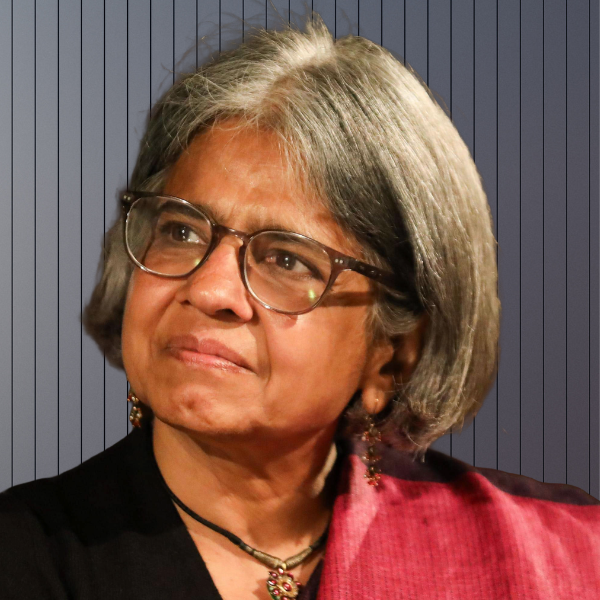
Dr Poonam Mutreja, Executive Director, Population Foundation of India (PFI)
Summary: Thank you, Skoch, thank you, Savitri. What an honor to be part of an honor-celebrating
Sunita. And I saw the film and Sunita, you're in good company.
But I do want to say a few words about Sunita first before I say anything else. So I've known
Sunita for almost four and a half decades. It takes me but not her.
She continues to be energetic, young. What struck me about Sunita is the very having
known her and seen her work. It's not just a personal relationship.
It is a field which we have both been part of. And Sunita's extraordinary clarity when I met
her the first time when she was close to 80, she was very clear what she wants to do. And
that clarity, extraordinary clarity with which she sees the world, the courage with which she
speaks about is what she sees.*
View Full Transcript
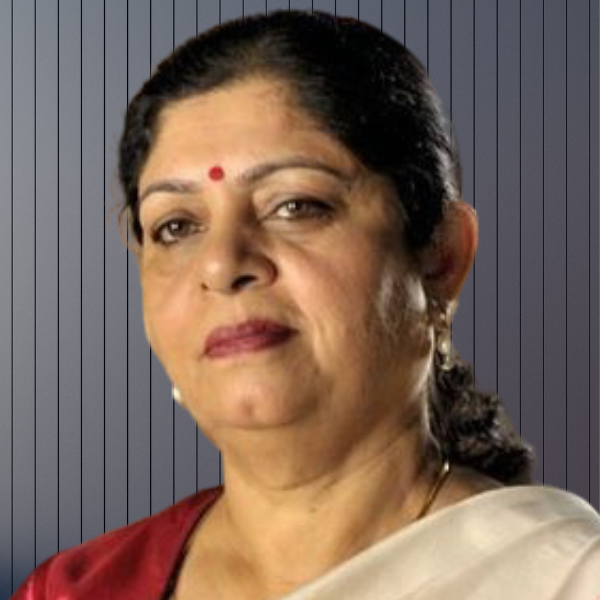
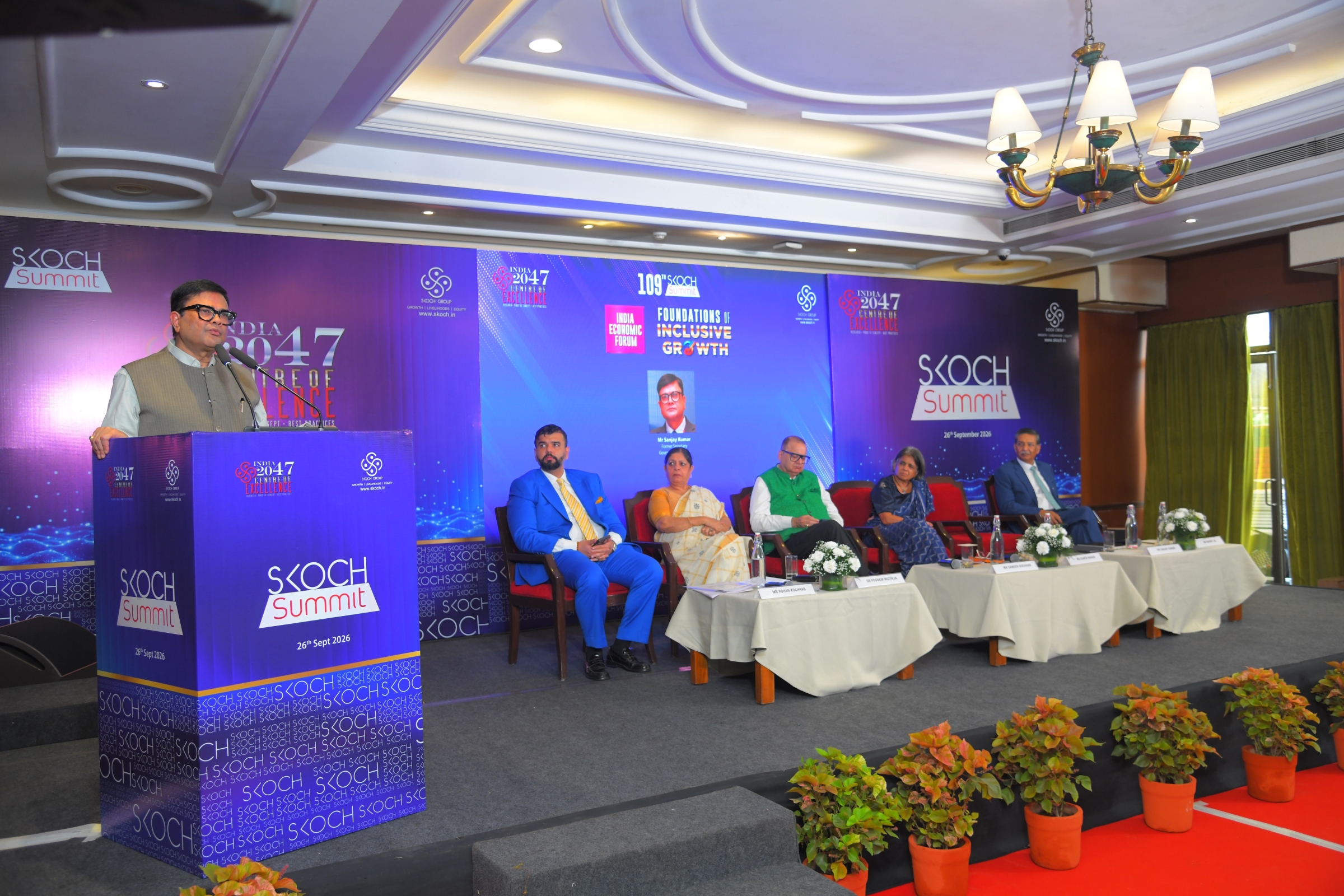
Mr Sanjay Kumar, Former Secretary, Government of India
Summary: Today, we have with us Sunita Narayanji, Arunabhatji, Poonam Gurudevaji, my young friend
Rohan, ladies and gentlemen. Today, all of us have gathered here in the pride and glory of
Sunitaji. And this pride and glory of Sunitaji is due to her karmas.
And I came to Delhi in 1981, and I got a job in 1990. And whenever there was a discussion
about the environment, without her name, even that discussion was incomplete. We always
heard about you.
We also heard what you are doing, and how you brought attention to detail and research
into environment. Thank you so much. And I would take this opportunity to thank this
course foundation, Sameer Kocharji, for making this point so relevant to us, that it is so
important for us.*
View Full Transcript
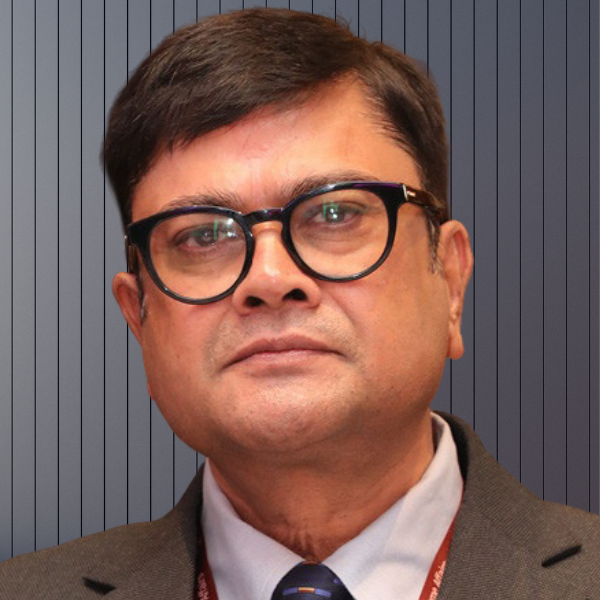
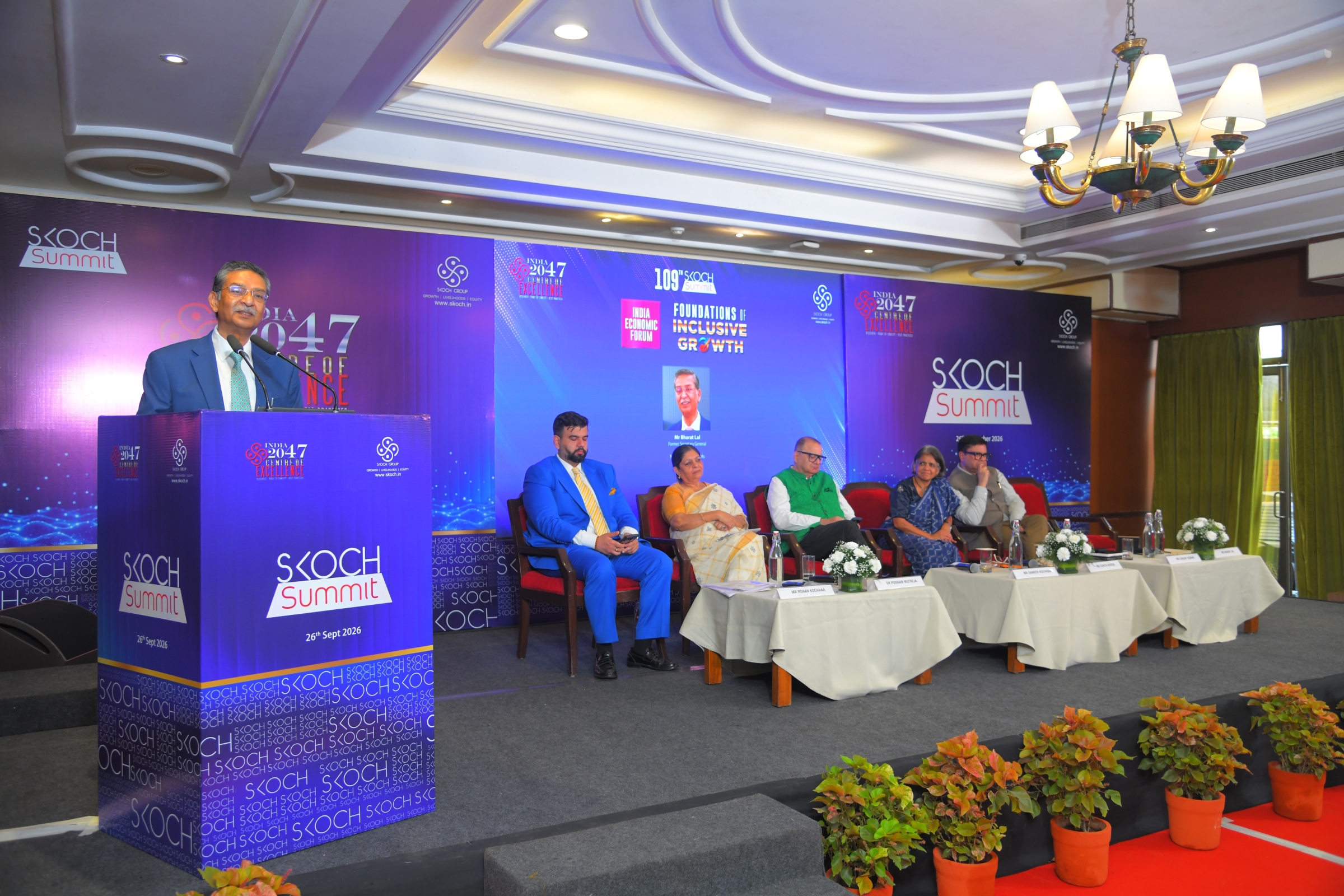
Mr Bharat Lal, Former Secretary General & CEO National Human Rights Commission
Summary: Good morning everyone. Namaskar. Suridari, Samir, my esteemed colleague, Sanjay
Kumarji, Samir Kocharji, Poonamji, Rohan and ladies and gentlemen.
I think if not more than equally I am very happy actually. And when we honor a person like
Sunidhaji, I think we honor certain idea, certain body of work and the way she touched
many lives, many lives. I will give my example that long back when I was in Gujarat and we
used to come in early 90s or mid 90s.
There used to be Supreme Court case, Keshav Supreme Court case. So one thing I will just
simply remember that in the evening when we go home, my family was here in Delhi. And
my daughter, my daughter-in-law, all of them..*
View Full Transcript
Lunch
He served as Director and Vice Chancellor of IGIDR, Mumbai (2010–2022) and earlier chaired the Commission for Agricultural Costs and Prices. He was Vice Chairman of IFPRI’s Board, a member of the National Statistical Commission, and Director of CESS, Hyderabad. He has 150 publications, 23 books, and has advised global agencies and Indian government committees. He has received several awards, including the Malcolm Adisesaiah Award.
View More
Dr. Manoj Kumar serves as Additional Secretary to the Government of India in the Ministry of Law & Justice (Legislative Department), where he plays a central role in shaping, modernising, and strengthening the country’s legislative and regulatory ecosystem. A visionary reformer and institution-builder, he has led key national initiatives to transform legislative governance through digital, technology-enabled, and AI-driven frameworks aligned with the vision of Viksit Bharat@2047.
His work bridges law, technology, and citizen empowerment by advancing plain-language lawmaking, interoperability across legal and judicial databases, and the revamp of India Code into a seamless, accessible, and data-driven platform. These efforts collectively embody his commitment to People-First Legislative Governance, ensuring that laws become easier to access, understand, and comply with for every citizen.
For his contributions to public service, reform, and institutional excellence, Dr. Kumar has received several prestigious national and international honours, including the (i) Mahatma Gandhi Samman, (ii) Atal Samman, and (iii) Nelson Mandela Leadership Award.
A prolific author and thought leader, he has written extensively on law, governance, public policy, and institutional transformation. His books, policy papers, and research contributions continue to shape contemporary discourse on legislative reform, digital governance, and the evolution of India’s public institutions.
View More
Shekhar Aiyar is Director and Chief Executive of the Indian Council for Research on International Economic Relations (ICRIER). Previously he held a number of senior roles at the International Monetary Fund, including Assistant Director of the Research Department and Mission Chief for Germany. He has been a Visiting Scholar at Johns Hopkins University, an Advisor to the Bank of England and a Non-Resident Fellow at Bruegel. He has published widely in peer-reviewed journals, while also writing columns for the New York Times and Financial Times. He holds a BA in Economics from Delhi University, an MA in Philosophy and Economics from Oxford University, and a Ph.D. in Economics from Brown University.
View MoreSanjay Kumar, a 1990-batch IAS officer of the Bihar cadre, served as Secretary, Department of School Education & Literacy, Ministry of Education, Government of India.
During his tenure, he played a key role in advancing the implementation of the National Education Policy 2020, with an emphasis on foundational learning, early childhood education, teacher capacity, digital education and strengthening school systems.
Before leading national school education, he had worked extensively in health, skills and labour, areas that intersect directly with educational outcomes and employability
He also served as Principal Secretary, Education and Health, Government of Bihar, bringing extensive social-sector experience to the national education agenda.
View MoreSunita Narain is a renowned environmentalist, writer, and the Director-General of the New Delhi-based Centre for Science and Environment (CSE). She also serves as the Editor of Down To Earth, India’s leading environmental magazine. For over four decades, Narain has been a driving force in shaping public discourse on environmental challenges and sustainable solutions, particularly in the Global South.
Her work blends science-based evidence with a pro-poor perspective, advocating for the integration of environmental concerns into public policy and societal priorities. Through her leadership and advocacy, Narain has championed critical issues such as air pollution control, community water management, pesticide regulation, and sustainable urbanization. She consistently emphasizes that environment and developments are interdependent, arguing that inclusive and equitable growth must form the foundation of true sustainability.
Narain’s contributions have earned her wide recognition in India and globally. She has been honoured with the Padma Shri by the Government of India and the Stockholm Water Prize for her pioneering efforts in water conservation. Internationally, she has received the Prince Albert II of Monaco Foundation Award, The Order of the Polar Star (Sweden), and the Edinburgh Medal for her leadership on climate and environmental issues..
She has served as a member of the Prime Minister’s Council on Climate Change, advising on national strategies to address climate impacts. Narain also chaired the Tiger Task Force in 2005, which developed a comprehensive action plan for tiger conservation, and contributed to the National Ganga River Basin Authority, guiding policy for the rejuvenation and protection of the river.
Recognized as one of the world’s top 100 public intellectuals by Foreign Policy and Prospect magazines, and featured in Time Magazine’s list of the 100 most influential people Narain continues to inspire collective action for a water-secure, climate-resilient, and environmentally just world.
View MorePoonam Muttreja, Executive Director of the Population Foundation of India, has been a strong advocate for women’s empowerment, reproductive justice, and rural livelihoods for over four decades. She co-conceived the popular transmedia initiative Main Kuch Bhi Kar Sakti Hoon—I, A Woman, Can Achieve Anything—inspiring millions to challenge gender norms.
Poonam served as the India Country Director of the John D and Catherine T MacArthur Foundation for 15 years and has also co-founded and led the Ashoka (India) Foundation, Dastkar, and the Society for Rural, Urban and Tribal Initiative (SRUTI).
Poonam is a member of the Governing Council and Board of ActionAid International and India, and has been a member of a committee at The National Academies of Sciences, Engineering, and Medicine, Washington DC
Currently, she serves as Chairperson of Dastkar, championing the promotion of traditional crafts and sustainable livelihoods for artisans across India. She is also part of the “Scaling Up Country Platforms Room", an action-oriented working group under the 17 Rooms—a global initiative co-hosted by the Brookings Institution and The Rockefeller Foundation to advance the economic, social and environmental priorities embodied in the United Nations Sustainable Development Goals.
An alumna of Delhi University and Harvard University's John F. Kennedy School of Government, Poonam serves on the governing councils of several non-governmental organizations and is a regular commentator on women’s and public health issues in India and globally, for television and print media.
View MoreMr. Bharat Lal joined civil service in July 1988 and recently completed his tenure as the Secretary General and CEO, National Human Rights Commission (NHRC), India. Before joining NHRC, he has worked as Director General, National Centre of Good Governance (NCGG), an apex-level autonomous institution of the Government of India in volved in public policy and good governance. He holds Post Graduate degrees in Biochemistry and Forestry & Environment and has done research work at All India Institute of Medical Science, New Delhi.
Prior to joining NCGG, he was working as Secretary to Lokpal of India, the anti-corruption body of the country. Earlier, he has worked as Founder Mission Director, National Jal Jeevan Mission – a flagship programme started in August 2019 to ensure clean tap water to every household of the country. He has a long experience of working in water and sanitation sector both at the Centre and state of Gujarat. For a long time, he was responsible for investment promotion in Gujarat and its diplomatic outreach. Since March 2020, he also worked in the core team of the government, managing Covid–19 pandemic caused by Corona virus in the country. His special interest has been ensuring human rights of people, creating opportunities, addressing environmental and climate issues with special interest in water security, sustainable development and sustainability.
View MoreReforms historian and author of best-seller ModiNomics, Sameer Kochhar is Chairman, SKOCH Group. He is a passionate advocate of social, digital and financial inclusion and is a foremost expert on governance and inclusive growth. His work has been acclaimed globally and endorsed by Mr Narendra Modi, Mr M Venkaiah Naidu, Dr Manmohan Singh, Mr Arun Jaitley, Mr P Chidambaram, Mr Yashwant Sinha, Dr C Rangarajan and Dr Montek Singh Ahluwalia and so on. In his thinking and writings and activities, his profound admiration for India's economic reforms and in extension, those outstanding personalities who strive to make these reforms more meaningful and broad-based comes out clear and unambiguous.
View More
Mr. Dilip Chenoy is Chairperson, Bharat Web3 Association. He has held leadership roles across India's foremost industry bodies, including as Secretary-General of FICCI, MD & CEO of NSDC, Director-General of SIAM, and Deputy Director-General of CII, with extensive contributions to policy and industry development.
View MoreRohan Kochhar stands at the intersection of economics, social science, and law, leveraging his multidisciplinary expertise to drive impactful change in public policy, emerging technologies, and ESG (Environmental, Social, and Governance) initiatives. As the founder of SKOCH Law Offices, Rohan has built a boutique law firm renowned for its deep domain knowledge and innovative approach to legal challenges.
View MoreAwards
Lunch
Awards